





What's Happening?
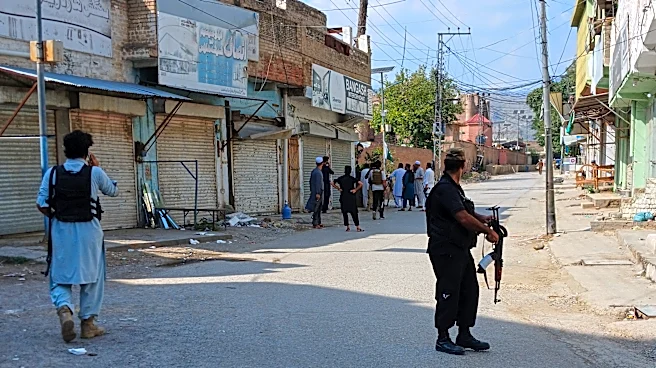
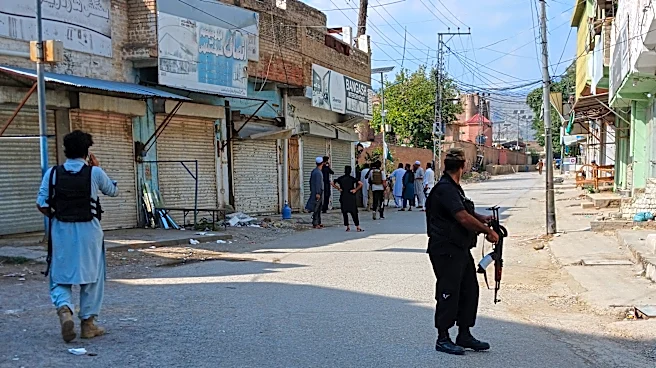
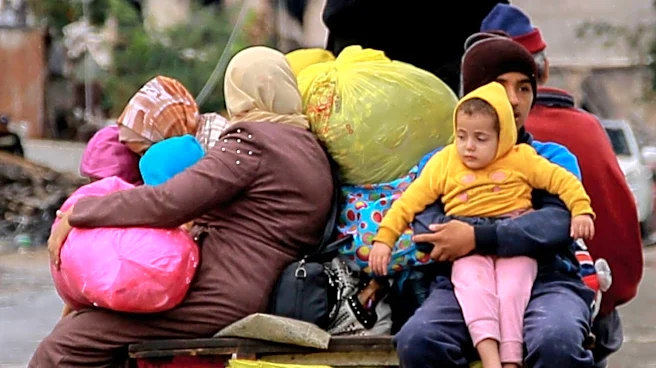
Richard Bennett, the United Nations Special Rapporteur on the situation of human rights in Afghanistan, has called on Pakistan to cease the forced repatriation of Afghan refugees. In a statement on September 18, Bennett emphasized the importance of upholding
the principle of non-refoulement, which dictates that no individual should be returned to a location where they face a credible risk of severe human rights violations. He specifically highlighted concerns for vulnerable groups, including women and girls, unaccompanied children, human rights defenders, journalists, former government employees, and ex-security forces personnel. Bennett also expressed alarm regarding the forced return of Afghan medical and dental students from Pakistan, particularly female students who face significant restrictions on higher education access in Afghanistan. He urged Pakistan to establish a safe and accessible mechanism for at-risk Afghans to provide information, undergo individual assessments, and receive protection against forced return.
Why It's Important?
This intervention by the UN Special Rapporteur underscores the critical human rights challenges faced by Afghan refugees in neighboring countries. The principle of non-refoulement is a cornerstone of international refugee law, and its violation can have severe consequences for individuals fleeing persecution. The forced return of vulnerable populations, especially women and girls, to a country where their fundamental rights are severely curtailed, raises significant ethical and legal concerns. The situation also highlights the broader humanitarian crisis in Afghanistan, where restrictions on education and public life for women and girls continue to be a major issue. Pakistan's actions could set a precedent for other host countries, potentially exacerbating the refugee crisis and undermining international efforts to protect displaced persons. The call for a robust assessment mechanism is crucial to ensure that individual circumstances are considered before any repatriation decisions are made.
What's Next?
Following the UN Special Rapporteur's appeal, international human rights organizations and advocacy groups are likely to increase pressure on Pakistan to reconsider its policy on Afghan refugee returns. The UN Human Rights Council may also address this issue in upcoming sessions, potentially leading to resolutions or further diplomatic efforts. Pakistan will face scrutiny regarding its adherence to international human rights obligations and its treatment of asylum seekers. The situation could also prompt other nations to offer increased support or resettlement options for at-risk Afghans. The long-term implications for regional stability and the future of Afghan refugees will depend on Pakistan's response and the international community's sustained engagement on this critical humanitarian issue.
Beyond the Headlines
The forced return of Afghan refugees, particularly those from vulnerable groups, touches upon deeper issues of state sovereignty versus international human rights law. While nations have the right to control their borders, they also bear responsibilities under international conventions to protect those fleeing persecution. This situation highlights the complex interplay between national security concerns, economic pressures on host countries, and the moral imperative to safeguard human lives. The plight of female students, whose educational aspirations are being thwarted both in Afghanistan and potentially in host countries, represents a significant loss of human potential and a setback for gender equality. The ongoing crisis in Afghanistan continues to create ripple effects across the region, challenging the international community's commitment to humanitarian principles and the protection of fundamental rights.