



What's Happening?
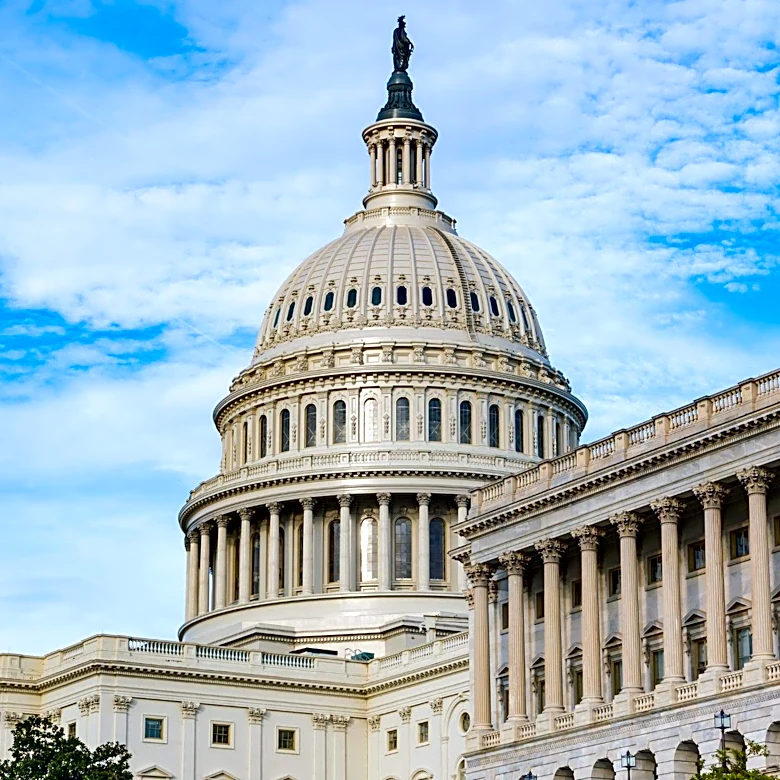
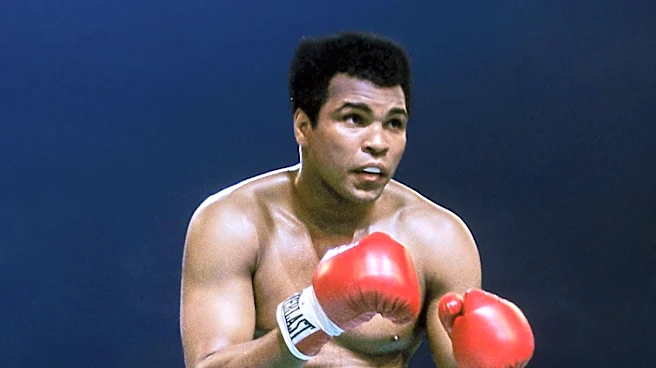
The Senate Commerce Committee is scheduled to debate and vote on the Muhammad Ali American Boxing Revitalization Act on Wednesday, September 16. This legislative effort aims to update and strengthen the original Muhammad Ali Boxing Reform Act of 2000,
which was championed by Republican Senator John McCain and remains the sole federal law governing how boxing sanctioning bodies manage titles. The proposed act seeks to enhance transparency within the sport, particularly concerning boxer contracts, ranking systems, and the operations of the 'Big Four' sanctioning bodies: WBC, WBA, WBO, and IBF. Key objectives include limiting organizations to a single champion per weight class and curbing the proliferation of interim titles. A bill introduced by Republican Senator Ted Cruz also proposes the creation of a Unified Boxing Organization (UBO) to operate independently of the current sanctioning body system, with its own rankings and championships. The House of Representatives passed a similar bill in March 2026.
Why It's Important?
This Senate vote is crucial for the future of professional boxing in the United States. The proposed legislation aims to address long-standing issues of transparency, fairness, and governance within the sport, which have often been criticized for their complexity and potential for exploitation. By limiting the number of champions and interim titles, the act could bring more clarity and legitimacy to championship recognition, making the sport more understandable and appealing to fans. The establishment of a Unified Boxing Organization, as proposed by Senator Cruz, could fundamentally alter the power dynamics between promoters, sanctioning bodies, and boxers, potentially creating a more standardized and equitable system. These reforms could significantly impact boxers' careers by providing clearer pathways to titles and more transparent ranking systems, while also potentially creating commercial rifts between existing stakeholders.
What's Next?
If the Senate Commerce Committee approves the Muhammad Ali American Boxing Revitalization Act, it will then proceed to a full Senate vote. Should it pass the Senate, the bill would then need to be reconciled with the version passed by the House of Representatives before it can be sent to the President for signature into law. The boxing world will be closely watching the committee's decision and subsequent legislative steps. If enacted, the law would necessitate significant changes in how sanctioning bodies operate, potentially leading to restructuring within these organizations and new regulations for promoters. Stakeholders, including boxers, promoters, and the 'Big Four' sanctioning bodies, will need to adapt to any new federal oversight and compliance requirements, which could reshape the competitive and commercial landscape of professional boxing in the U.S.
Beyond the Headlines
The debate surrounding the Muhammad Ali American Boxing Revitalization Act touches upon deeper issues of regulatory oversight in professional sports. The boxing industry, with its fragmented governance and multiple sanctioning bodies, has long been susceptible to conflicts of interest and a lack of accountability. This legislative push reflects a broader societal demand for greater transparency and fairness in industries that impact individuals' livelihoods and public interest. The proposed reforms could serve as a model or catalyst for similar discussions in other sports that face governance challenges. Furthermore, the potential creation of a Unified Boxing Organization could represent a significant shift towards a more centralized and standardized model, challenging the traditional decentralized structure of boxing. This could lead to a more unified product for consumers but also significant power struggles among existing entities vying for influence in a reformed landscape.