



What's Happening?
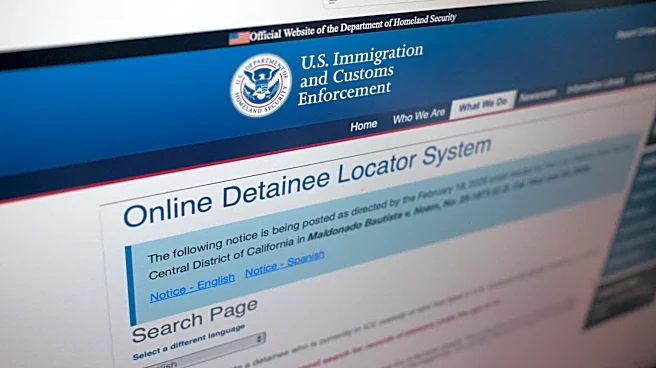
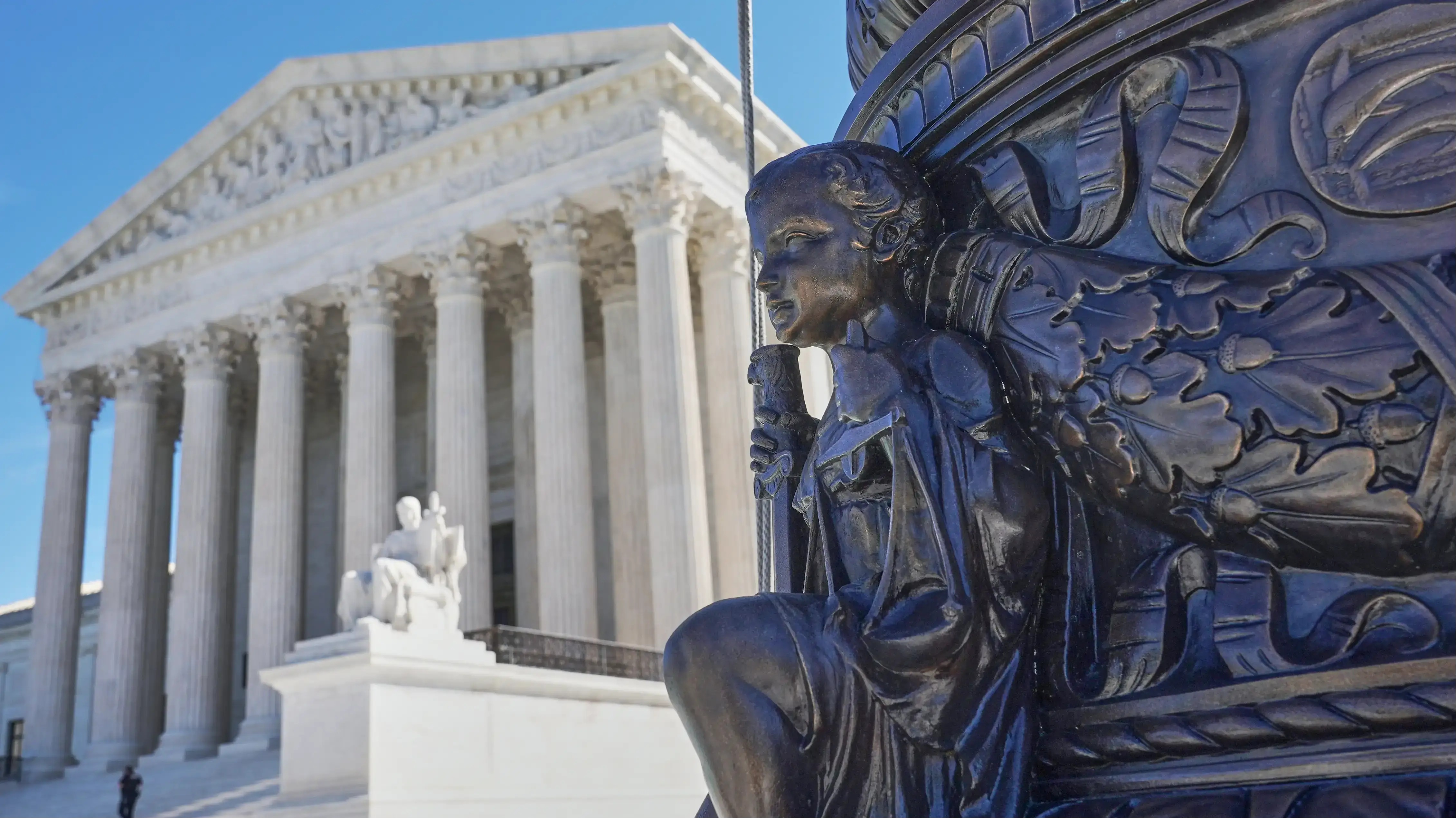
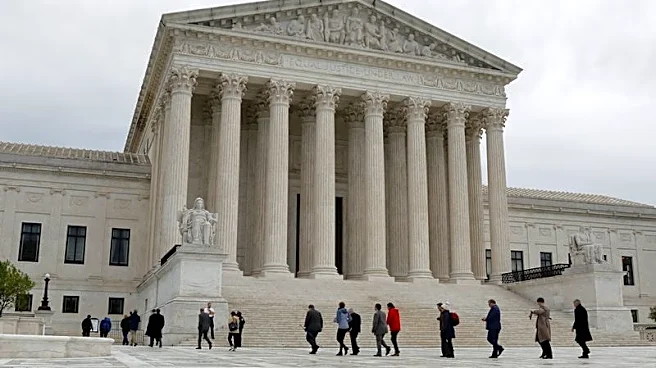
The U.S. Supreme Court has agreed to review a significant immigration dispute concerning the Trump administration's mandatory detention policy for long-term immigrant residents. This policy, implemented by U.S. Immigration and Customs Enforcement (ICE)
in July 2025, mandates the detention of all individuals who entered the country without legal admission, including those paroled, while they undergo removal proceedings. This applies regardless of how long they have resided in the U.S., and it restricts bond hearings to only those immigrants who were initially admitted but later lost their legal status. The administration is seeking to overturn an appeals court ruling that found this policy cannot treat long-term residents the same as individuals attempting to enter the country. The case before the Supreme Court stems from the detention of Ricardo Aparecido Barbosa da Cunha, a Brazilian man who was detained in Massachusetts after residing in the U.S. for over a decade and was initially denied a bond hearing.
Why It's Important?
This Supreme Court review is considered one of the most crucial immigration cases in a generation, as a ruling in favor of the government could lead to widespread, long-term civil detention of immigrants. The policy's impact extends to individuals who have established lives in the U.S. for many years, potentially subjecting them to mandatory detention without the possibility of a bond hearing. This could significantly alter the landscape of immigration enforcement and the rights of non-citizens in the country. The American Immigration Council has warned that a government victory could greenlight mass civil detention at levels not seen since Japanese internment during World War II. The outcome will clarify the scope of mandatory detention under the Immigration and Naturalization Act and could set a precedent for how the U.S. government handles immigration cases involving individuals with deep ties to the country.
What's Next?
The Supreme Court will hear arguments in the case, which focuses on the interpretation of the immigration statute rather than broader constitutional questions. The ACLU, representing immigrants challenging the policy, has stated its readiness to present its case, emphasizing that lower courts have consistently rejected the administration's interpretation of the law. The decision will resolve a split among lower courts, with the Second, Sixth, and Eleventh Circuits ruling in favor of immigrants, while the Fifth and Eighth Circuits sided with the Trump administration. The Supreme Court's ruling will determine whether the Trump administration's mandatory detention policy for long-term immigrant residents is lawful and will have far-reaching implications for immigration proceedings and the lives of countless individuals in the U.S.
Beyond the Headlines
The legal battle over mandatory detention highlights a deeper tension between national security concerns and humanitarian considerations in immigration policy. The policy's broad application to individuals who have lived in the U.S. for extended periods raises ethical questions about due process and the potential for family separation and community disruption. Beyond the immediate legal outcome, the case could influence public perception of immigration enforcement and potentially fuel further debates on comprehensive immigration reform. The focus on statutory interpretation rather than constitutional questions suggests a nuanced legal challenge, but the underlying human impact of such policies remains a central concern, reflecting ongoing societal discussions about the treatment of immigrants and the balance of power between the executive branch and the judiciary.