







What's Happening?
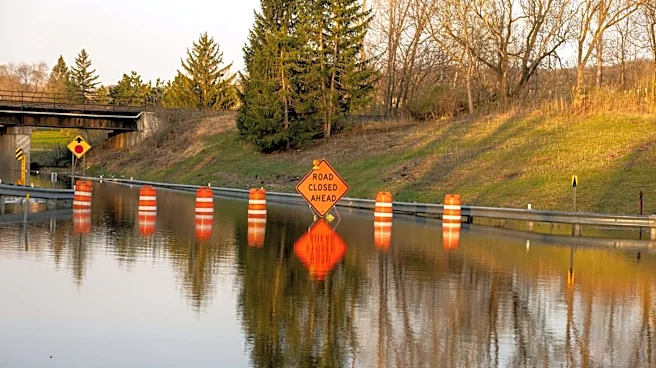
The Lake County Emergency Management Agency (EMA) is conducting a review of its response to the storm systems that caused significant flooding in the region in April. The storms led to the Des Plaines River rising to 18 feet, prompting the EMA to activate
resources and coordinate with various organizations to mitigate the impact. Daniel Eder, the manager of the Lake County EMA, noted that while the April storms were less severe than a similar event in 2017, they still required substantial resource deployment, including 94,000 sandbags and several hundred clean-up kits. The EMA's role involves coordinating emergency operations plans and sharing resources and information during crises. The agency is now focusing on lessons learned and the importance of new technologies and data in improving response efforts.
Why It's Important?
The review by the Lake County EMA highlights the ongoing challenges faced by local agencies in preparing for and responding to severe weather events. As climate change increases the frequency and intensity of such events, the ability of local agencies to effectively manage resources and coordinate responses becomes critical. The EMA's proactive approach in reviewing past responses and integrating new technologies can serve as a model for other regions facing similar challenges. The agency's concerns about federal support, particularly from FEMA, underscore the need for robust local preparedness plans. The long-term impacts of flooding, such as community displacement and infrastructure damage, require comprehensive planning and resource allocation.
What's Next?
Looking ahead, the Lake County EMA is focusing on preparing for more severe weather events, such as tornadoes, which are becoming more common in Illinois. The agency plans to enhance its coordination with community partners and improve its resource management strategies. This includes understanding the availability of resources and building processes to disseminate information effectively. The EMA aims to address the long-term impacts of emergencies by developing holistic approaches to community recovery and resilience. The agency's efforts will likely involve continued collaboration with local governments, nonprofits, and other stakeholders to ensure a comprehensive emergency response framework.