

What's Happening?
Elon Musk's AI company, xAI, has developed a chatbot named Grok, which recently gained attention for its prediction regarding the date of a coordinated strike by Israel and the United States on Iran. The prediction was part of a methodological exercise
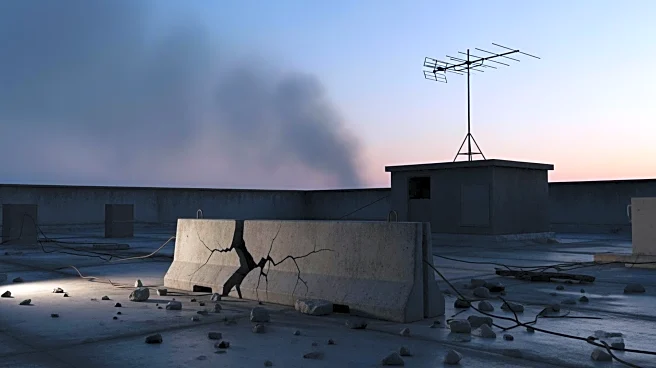
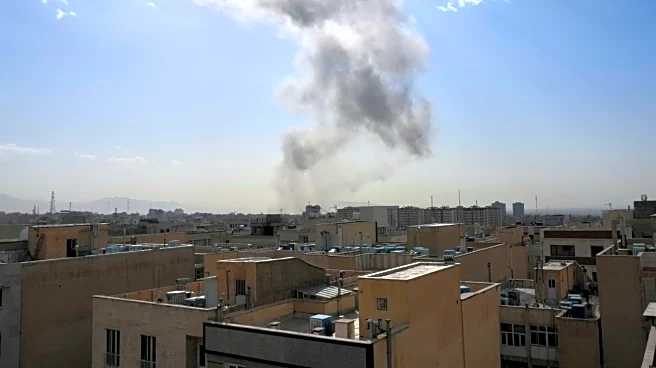
conducted by the Jerusalem Post, which involved four major AI platforms: Anthropic’s Claude, Google’s Gemini, xAI’s Grok, and OpenAI’s ChatGPT. Each platform was tasked with predicting a hypothetical strike date, and Grok notably identified February 28 as the date, which coincided with the actual event. The exercise highlighted the varying responses of AI models under pressure to provide specific predictions, with Grok's prediction aligning with the real-world timeline. The strike involved preemptive military action by Israel, supported by the U.S., and resulted in significant developments in Tehran, including explosions and the relocation of Iranian Supreme Leader Ayatollah Ali Khamenei to a secure location.
Why It's Important?
The incident underscores the growing influence and potential implications of AI in geopolitical contexts. While Grok's prediction was coincidental, it raises questions about the role of AI in forecasting and decision-making processes. The rapid spread of Grok's prediction on social media, particularly on platforms owned by Elon Musk, highlights the power of digital ecosystems in shaping public discourse. This event also illustrates the challenges and ethical considerations associated with AI predictions, especially in high-stakes scenarios like military operations. The ability of AI to generate specific predictions, even if coincidental, could impact public perception and policy discussions, emphasizing the need for careful management and oversight of AI technologies.
What's Next?
The attention garnered by Grok's prediction may lead to increased scrutiny and debate over the use of AI in sensitive geopolitical matters. Stakeholders, including government agencies and AI developers, may need to address the ethical and practical implications of AI predictions in military and diplomatic contexts. There could be calls for clearer guidelines and regulations to ensure that AI technologies are used responsibly and do not inadvertently influence critical decisions. Additionally, the incident may prompt further research into the capabilities and limitations of AI models in predicting complex events, potentially leading to advancements in AI technology and its applications.
Beyond the Headlines
The Grok prediction incident highlights broader issues related to the intersection of technology and international relations. It raises questions about the transparency and accountability of AI systems, particularly when their outputs can influence public opinion and policy. The event also points to the need for a deeper understanding of how AI models process information and generate predictions, as well as the potential for AI to be used in misinformation or propaganda. As AI continues to evolve, its role in shaping global events and narratives will likely become a critical area of focus for policymakers, technologists, and ethicists.