



What's Happening?
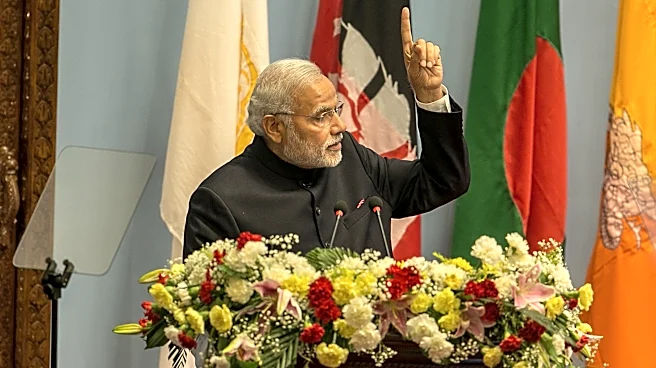
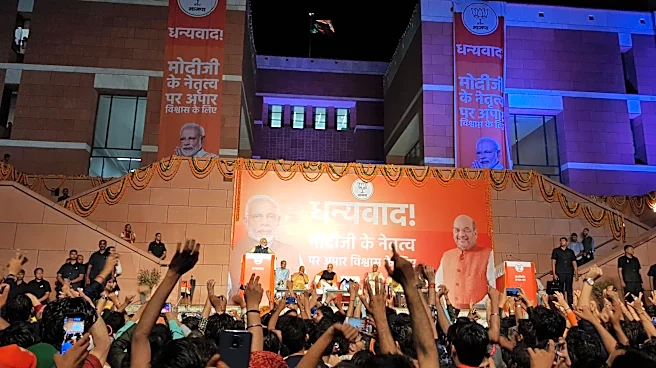
Prime Minister Narendra Modi extended his greetings to citizens on Dhanteras, wishing them peace, happiness, and good health. In a post on X, he invoked Lord Dhanvantari, the Hindu deity associated with health and medicine, and shared a Sanskrit verse
in his praise, wishing for 'an eternal flame of joy and enthusiasm' in every household. Union Home Minister Amit Shah and Delhi Lieutenant Governor Taranjit Singh Sandhu also conveyed their Dhanteras greetings. Concurrently, Uttar Pradesh Chief Minister Yogi Adityanath urged shoppers to embrace the 'Vocal for Local' campaign by purchasing gifts from Uttar Pradesh's One District One Product program. His suggestions included Bhadohi carpets, Prayagraj’s Moonj grass craft, Mainpuri’s Tarkashi wire-inlay work, and Chitrakoot’s wooden toys, emphasizing that such purchases support the self-reliance and dignity of skilled families. Dhanteras marks the beginning of the five-day Diwali festival, traditionally a time for buying jewelry or utensils.
Why It's Important?
The messages from PM Modi and CM Yogi Adityanath highlight a dual focus on cultural traditions and economic nationalism. PM Modi's greetings reinforce the spiritual and health-related significance of Dhanteras, connecting with the populace on a traditional and personal level. CM Adityanath's call for 'Vocal for Local' shopping is significant for its potential economic impact, particularly on local artisans and small businesses in Uttar Pradesh. By encouraging the purchase of locally made products, the initiative aims to boost regional economies, create employment, and preserve traditional crafts. This aligns with a broader national strategy to promote domestic manufacturing and reduce reliance on imports, fostering self-sufficiency and economic growth at the grassroots level. The emphasis on local products also strengthens cultural identity and heritage.
What's Next?
The 'Vocal for Local' campaign, amplified by CM Adityanath's appeal during Dhanteras, is expected to encourage consumers to prioritize domestically produced goods, especially those from Uttar Pradesh's One District One Product program. This could lead to increased sales for local artisans and small enterprises, potentially stimulating regional economic growth. The government may continue to promote such initiatives through various platforms, aiming to integrate local purchasing into broader consumer habits. The success of these efforts will depend on sustained public awareness campaigns and the availability and quality of local products. The broader impact could be a strengthening of India's domestic manufacturing base and a greater appreciation for traditional crafts.
Beyond the Headlines
The 'Vocal for Local' campaign, particularly during festive seasons like Diwali, taps into a deeper sense of national pride and community support. It's not just an economic strategy but also a cultural movement aimed at preserving traditional skills and empowering local communities. By linking consumer choices to the 'self-reliance and dignity' of skilled families, CM Adityanath's message imbues shopping with a social and ethical dimension. This approach could foster a more conscious consumer base that values the provenance and impact of their purchases. Over the long term, such initiatives could contribute to a more resilient and diversified economy, less susceptible to global supply chain disruptions, and more rooted in local strengths and traditions.