

What's Happening?
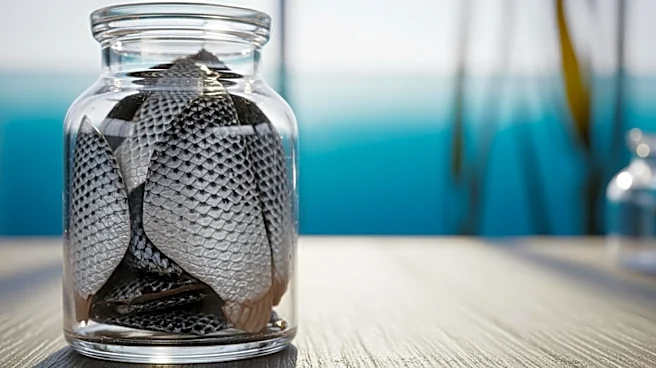
Researchers have turned to an unconventional source to study ocean ecosystems: 40-year-old canned salmon. Natalie Mastick, a postdoctoral researcher at Yale University, and her team examined salmon cans preserved by the Seafood Products Association. These
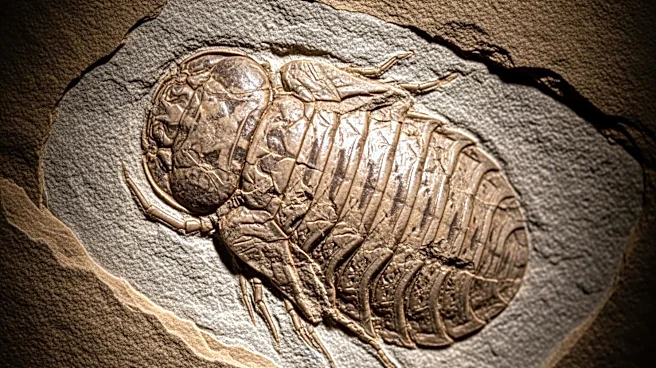
cans contained fillets from four species collected over a 42-year span in the Gulf of Alaska and Bristol Bay. The team discovered tiny parasitic worms, known as anisakids, embedded in the fish. While these parasites were killed during the canning process and pose no harm to consumers, they provide valuable scientific data. The presence of anisakids, which require multiple hosts to complete their life cycle, indicates a healthy marine ecosystem. The study, published in Ecology & Evolution, found that anisakid levels increased in chum and pink salmon between 1979 and 2021, suggesting a stable or recovering ecosystem.
Why It's Important?
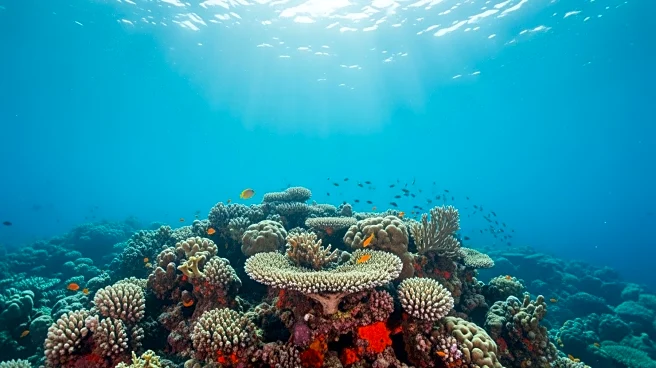
The findings from this study offer insights into the health of marine ecosystems over time. The increase in anisakid levels in certain salmon species suggests that the marine food web is robust, with enough hosts to support the parasites' life cycle. This could indicate a recovering ecosystem, potentially linked to environmental policies like the Marine Mammal Protection Act of 1972, which helped marine mammal populations recover. Understanding these trends is crucial for managing fisheries and conserving marine biodiversity. The study also highlights the potential of using historical data sources, like preserved seafood, to gain insights into past ecological conditions.
What's Next?
Researchers hope to apply this method to other archived seafood, such as canned sardines, to further explore historical ecosystems. This approach could provide a new way to study long-term environmental changes and inform conservation strategies. The study encourages scientists to think creatively about untapped data sources, which could lead to new discoveries about the ocean's past and future.