



What's Happening?
Congresswoman Chellie Pingree, a Democrat, has publicly criticized President Trump's recent social media activity, specifically his posts on Truth Social. These posts included a graphic depicting all of North America, from Greenland to Nicaragua and the
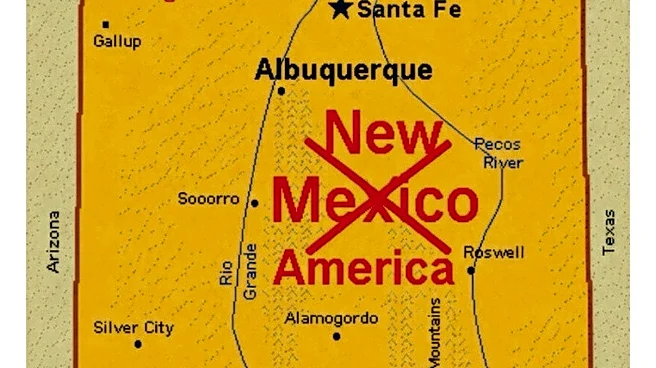
Caribbean, under the U.S. flag, with altered geographical names such as 'American Bay' instead of the Gulf of Mexico. Other posts featured AI-generated images of President Trump as a space captain, a video of him hitting Canadian Prime Minister Mark Carney with a hockey stick, and suggestions to rename New Mexico to 'New America.' Congresswoman Pingree stated on platform X that Republicans, Congress, and the cabinet have a duty to stop tolerating such behavior and question President Trump's fitness for office. This is not the first instance of President Trump sharing maps that expand U.S. territory, having previously included Greenland, Cuba, and Venezuela in past graphics.
Why It's Important?
Congresswoman Pingree's call for an inquiry into President Trump's fitness for office highlights growing concerns among some political figures regarding the nature of his public communications. Such statements from a sitting Congresswoman can intensify political polarization and fuel debates about presidential conduct and mental acuity, especially in the context of upcoming elections. The controversial social media posts, particularly those altering geographical boundaries and depicting aggressive actions towards foreign leaders, could strain international relations and undermine diplomatic efforts. Domestically, these actions may lead to increased scrutiny of the President's decision-making processes and potentially influence public perception of his leadership capabilities. The use of AI-generated content in these posts also raises questions about the spread of misinformation and the impact of technology on political discourse.
What's Next?
The criticism from Congresswoman Pingree and other political commentators is likely to intensify the ongoing debate surrounding President Trump's public statements and his use of social media. It could prompt further discussions within Congress regarding the standards of presidential conduct and the potential implications of such behavior on national and international affairs. While a formal inquiry into his fitness for office, possibly through mechanisms like the 25th Amendment, is a significant undertaking, the public discourse around it will likely continue to grow. Political opponents may leverage these incidents to question his suitability for future leadership roles, while supporters might dismiss the criticisms as politically motivated. The incident also underscores the evolving challenges of digital communication in politics, where AI-generated content can quickly spread and influence public opinion.
Beyond the Headlines
The deeper implications of President Trump's social media activity, as highlighted by Congresswoman Pingree, extend beyond immediate political reactions. The repeated sharing of altered maps and aggressive imagery could normalize a disregard for established international boundaries and diplomatic norms, potentially influencing public perception of sovereignty and international law. The use of AI to create and disseminate these images also raises ethical concerns about the manipulation of reality in political communication and the potential for deepfakes to blur the lines between truth and fiction. This trend could erode public trust in media and official statements, making it harder to distinguish credible information from fabricated content. Furthermore, the calls to question a president's fitness for office based on social media behavior reflect a broader societal struggle to adapt traditional governance frameworks to the rapid pace and pervasive nature of digital platforms.