






What's Happening?
The full buck moon will illuminate the sky this week, reaching peak brightness on Wednesday morning. Named for the growth period of male deer antlers, the buck moon will appear low in the Northern Hemisphere and higher in the Southern Hemisphere. Observers
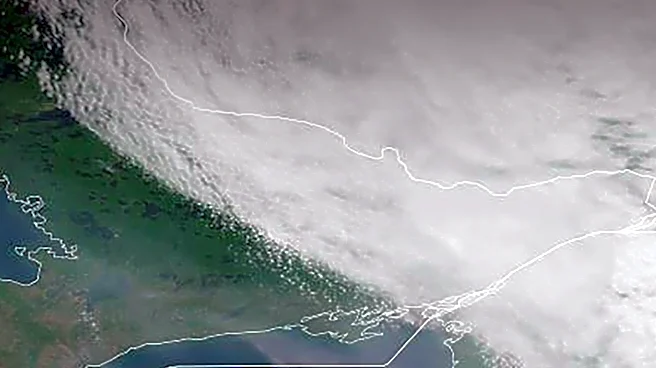
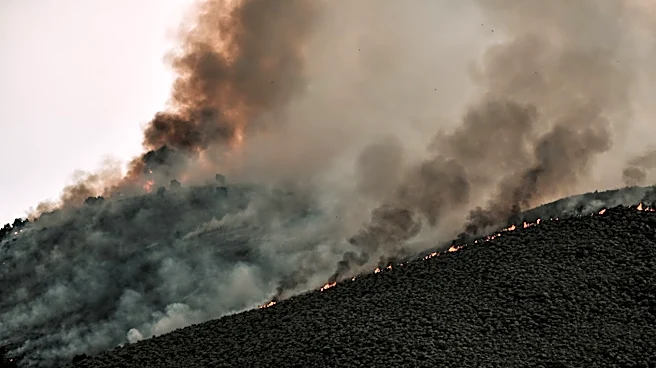
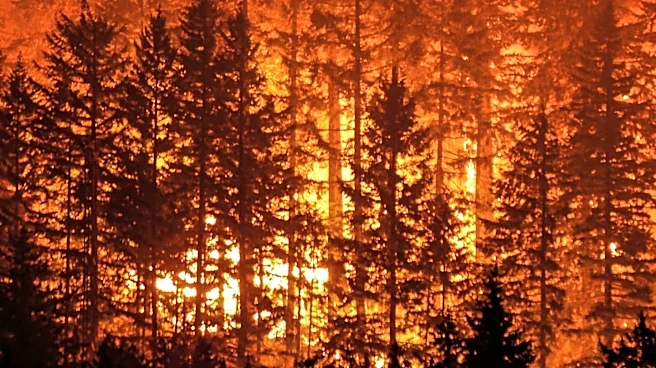
in the Northeast and Upper Midwest may notice a reddish or orange hue due to smoke from Canadian wildfires affecting atmospheric conditions. This full moon offers a chance for sky-gazers to connect with the cosmos, as it follows the trajectory of the sun's path from six months ago.
Why It's Important?
The buck moon provides an opportunity for people to engage with astronomy and appreciate natural phenomena. Its visibility and unique coloration due to wildfire smoke highlight the interconnectedness of environmental and astronomical events. Observing the moon can foster a sense of wonder and curiosity about space, encouraging public interest in science and exploration. The event also serves as a reminder of the impact of environmental changes on our atmosphere, prompting discussions on climate and air quality issues.
Beyond the Headlines
The buck moon's appearance coincides with the anniversary of the Apollo 11 mission, underscoring humanity's ongoing fascination with lunar exploration. As space missions continue to advance, public interest in celestial events remains strong, reflecting a broader cultural appreciation for science and discovery. The moon's visibility and the atmospheric effects caused by wildfires also highlight the importance of addressing environmental challenges, as they can influence our experience of natural events.