

What's Happening?
Democratic lawmakers and progressive groups are advocating for a windfall tax on major fossil fuel companies as they stand to gain billions from the ongoing conflict in Iran. The US-Israeli strikes have caused significant disruptions to fuel supply, leading
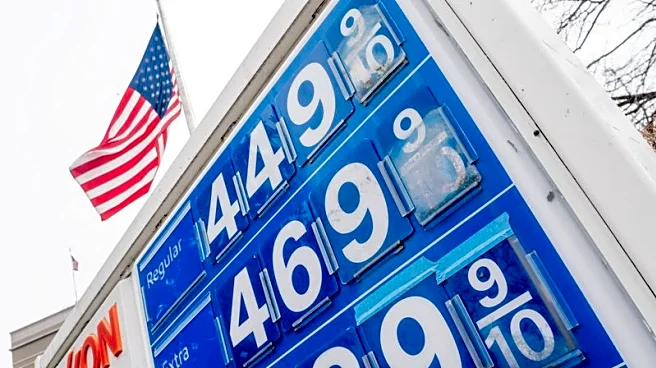
to a surge in crude oil prices. This has resulted in increased gas prices for American consumers, while oil companies like ExxonMobil and Chevron have seen their market values rise. The proposed tax aims to redistribute the profits from these companies to help offset rising living costs for American households.
Why It's Important?
The proposal for a windfall tax highlights the economic impact of geopolitical conflicts on fuel prices and the profits of oil companies. By taxing these profits, the government could provide financial relief to consumers facing higher living costs. The initiative also underscores the need for a transition away from fossil fuels to reduce dependency on volatile energy sources and prevent future conflicts over oil. Implementing such a tax could address income inequality exacerbated by the concentration of profits among wealthy shareholders.
What's Next?
The proposal for a windfall tax is gaining support from various advocacy groups and could be introduced in Congress. If enacted, the tax could generate significant revenue to support American households. The ongoing debate may also prompt discussions on broader energy policy reforms and the transition to renewable energy sources. The response from oil companies and political leaders will be crucial in determining the feasibility of the tax and its potential impact on the industry.