


What's Happening?
A new national poll, the Center Square Voters' Voice Poll conducted by Noble Predictive Insights, reveals that most American voters believe the country is on the wrong track, with independent voters showing significant dissatisfaction. The poll, conducted from
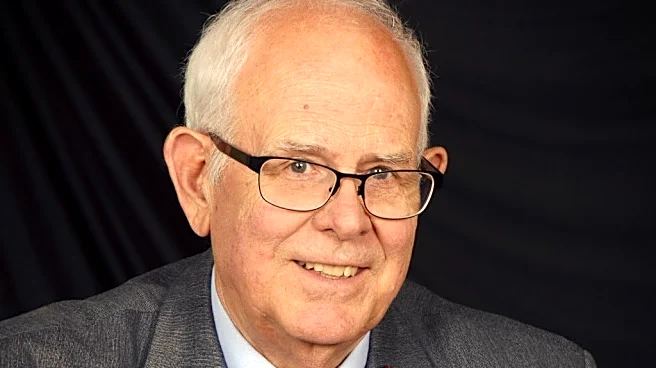
August 12-16, surveyed 2,533 registered U.S. voters and found that 60% believe the country is headed in the wrong direction, while 30% think it's on the right track, and 10% are unsure. Among independent and nonpartisan voters, 66% expressed dissatisfaction, with 62% of 'true independents' (those not leaning towards either major party) agreeing. Mike Noble, founder of Noble Predictive Insights, noted that this combination of pessimism and uncertainty makes independents a pivotal group for the upcoming midterm elections. He stated that while independents have identified a problem, many have not yet settled on a political solution. The poll also indicated that wrong-track sentiment has remained high since summer, climbing from 54% in March to 60% in June and staying at that level in August. Inflation continues to be the top concern for voters. A widening gender gap was also observed, with 67% of women and 52% of men believing the country is on the wrong track.
Why It's Important?
The widespread dissatisfaction among independent voters is a critical indicator for the upcoming U.S. midterm elections. Independent voters often serve as the swing vote in close races, and their current pessimism suggests a volatile political landscape. Their uncertainty about solutions, despite identifying problems, creates an opportunity for both major parties to appeal to this crucial demographic. The persistent concern over inflation highlights economic issues as a primary driver of voter sentiment, which could significantly influence election outcomes and future policy debates. The widening gender gap in dissatisfaction also points to differing priorities and concerns among men and women, potentially leading to varied voting patterns and requiring tailored political messaging. This poll underscores the challenges facing incumbents and provides insights into the key issues that will likely dominate political discourse leading up to the midterms, impacting legislative agendas and campaign strategies.
What's Next?
As the midterm elections approach, both Democratic and Republican parties will intensify their efforts to sway independent voters. Political campaigns are likely to focus on addressing inflation and economic concerns, which the poll identified as top priorities for voters. The observed gender gap in dissatisfaction may lead to targeted messaging aimed at women voters. Candidates will need to articulate clear solutions to the country's perceived problems to win over undecided independents. The high level of uncertainty among true independents suggests that many voters are still open to persuasion, making the coming months crucial for political outreach and policy proposals. The White House's lack of comment on the poll's findings indicates a potential strategy to avoid directly engaging with negative sentiment, but the administration will undoubtedly be working to address the underlying issues driving voter dissatisfaction.
Beyond the Headlines
The poll's findings reflect a deeper societal unease that extends beyond immediate political outcomes. The sustained high level of 'wrong track' sentiment suggests a fundamental questioning of the country's direction, potentially driven by a confluence of economic pressures, social divisions, and a perceived lack of effective governance. The widening gender gap, where women are more likely to express dissatisfaction regardless of party affiliation, could indicate broader systemic issues affecting women disproportionately, such as economic insecurity or social policy concerns. This trend could lead to long-term shifts in political alignment and policy priorities, pushing for greater attention to issues that resonate with women voters. The challenge for political leaders is not just to win elections but to restore public confidence and address the underlying causes of this pervasive pessimism, which could have lasting implications for national unity and democratic stability.