



What's Happening?
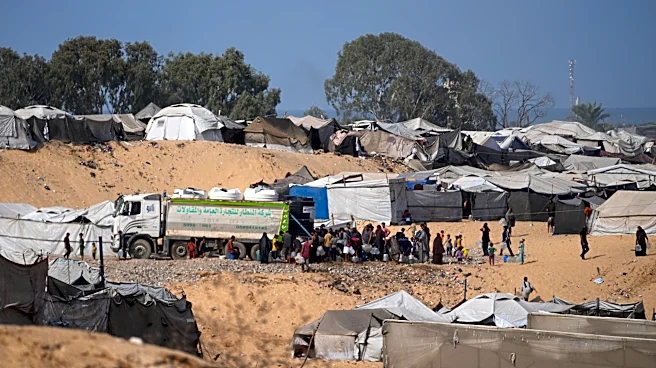
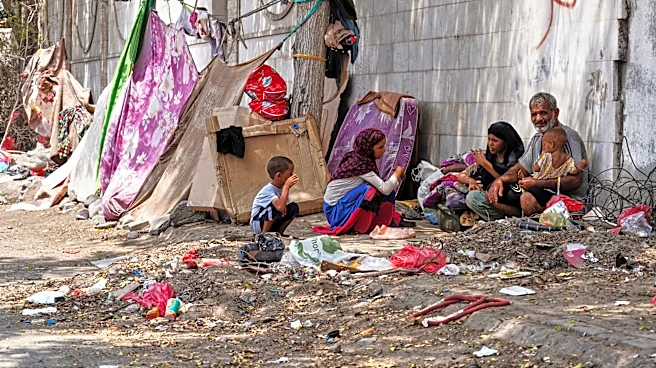
Nineteen independent United Nations experts have publicly criticized the leadership of the United Nations Food and Agriculture Organization (FAO) for not renewing the contract of a senior official who spoke out against the starvation of people in the Gaza
Strip. The experts warned that such actions create a climate of fear within the organization, discouraging staff from documenting serious violations of international law. This criticism follows the departure of former FAO official Benjamin Davis on September 30, after his contract was not renewed. FAO Director-General Qu Dongyu reportedly justified the decision by questioning Davis's ability to comply with international civil service rules and later stated his opposition to 'playing the human rights game,' threatening other employees with similar consequences. The experts expressed dismay at Dongyu's remarks, which they believe downplay the importance of human rights in FAO's mandate and link the departure of senior officials to their involvement in these issues. Davis, who served as director of the Rural Transformation and Gender Equality Division, had participated in activities related to starvation in Gaza, including organizing a seminar and preparing a paper on the right to food, which he claims was later removed from the organization's website.
Why It's Important?
This incident raises significant concerns about the independence and integrity of UN institutions, particularly their ability to address human rights violations without fear of retaliation. The experts emphasized that human rights are central to FAO's mandate, which includes protecting people from hunger and documenting the use of starvation as a method of warfare. The perceived intimidation of staff could undermine the UN's capacity to fulfill its duties, especially in documenting and responding to humanitarian crises. If UN employees are discouraged from speaking out against international law violations, it could lead to a lack of transparency and accountability, potentially exacerbating humanitarian situations. This situation also highlights the delicate balance between the principle of neutrality required of international civil servants and their responsibility to uphold human rights principles. The experts cautioned that silence or inaction in such circumstances could compromise the organization's independence and suggest susceptibility to pressure from donor governments, ultimately affecting the credibility and effectiveness of global humanitarian efforts.
What's Next?
The UN experts have called on FAO's leadership to uphold the values of the UN Charter and ensure compliance with conduct standards for international civil servants, while also protecting employees from retaliation. They urged member states to address this issue within the organization's governing bodies and hold the leadership accountable for its commitment to human rights. The experts also stressed the importance of prioritizing the protection of rights, particularly the rights to life and food, in the upcoming 2027 director-general election. They have sent a letter to FAO's director-general to convey their concerns and the implications for the working environment. This situation may lead to increased scrutiny of FAO's internal policies and its approach to human rights advocacy. The debate over the extent to which UN employees can address violations in armed conflicts and the protection afforded to them is likely to continue, potentially influencing future UN policies regarding staff involvement in human rights issues.
Beyond the Headlines
The controversy surrounding the dismissal of the FAO official delves into the deeper ethical and operational challenges faced by international organizations in politically charged environments. It questions the interpretation of 'neutrality' within the UN system, suggesting that remaining silent in the face of severe human rights violations might itself be a form of complicity or a failure to uphold foundational UN principles. This incident could set a precedent for how international civil servants are expected to navigate their roles when confronted with humanitarian crises and alleged war crimes. The removal of a paper on the right to food from the FAO website, as alleged by Davis, points to potential censorship or suppression of critical information, which could undermine public trust in the organization's commitment to its stated mission. The broader implication is a potential chilling effect on whistleblowers and advocates within international bodies, making it harder to expose and address abuses, thereby impacting the lives of vulnerable populations globally.