



What's Happening?
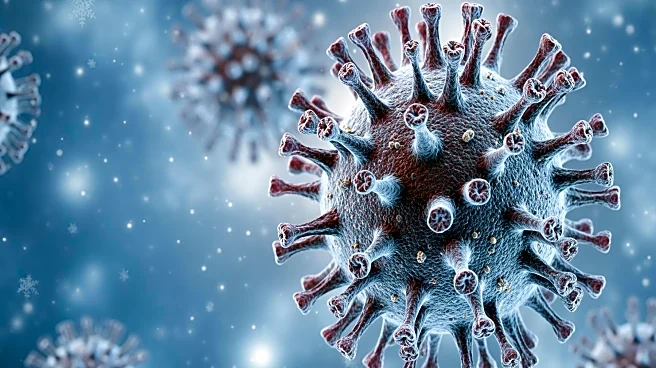
A new mutated version of the H3N2 flu virus, referred to as the 'subclade K', is circulating earlier than usual this year, raising concerns about a potentially severe flu season. The NHS has issued a 'flu jab SOS' to vulnerable groups, including those
over 65, pregnant women, and individuals with certain health conditions, urging them to get vaccinated. The flu vaccine, which is available for purchase at high street chemists, is recommended even for healthy individuals to protect against this strain. The vaccine takes up to 14 days to become effective, and while it does not cause the flu, it prepares the body to fight the virus. The vaccine is updated annually to match the expected circulating strains.
Why It's Important?
The early circulation of the mutated H3N2 virus poses a significant public health challenge, as it could lead to a more severe flu season. Vaccination is crucial in preventing widespread illness, particularly among vulnerable populations. The economic impact could be substantial, with increased healthcare costs and potential disruptions in workplaces due to illness. Public health officials emphasize the importance of vaccination to mitigate these risks and protect public health. The situation underscores the need for timely public health interventions and the role of vaccines in controlling infectious diseases.
What's Next?
As the flu season progresses, public health authorities will likely continue to monitor the spread of the H3N2 virus and adjust vaccination strategies as needed. There may be increased public health campaigns to encourage vaccination, especially among those who are not typically prioritized for free vaccines. Healthcare providers will need to prepare for a potential increase in flu-related cases, which could strain resources. Ongoing research into the effectiveness of the current vaccine against the mutated strain will be critical in guiding future public health responses.