




What's Happening?
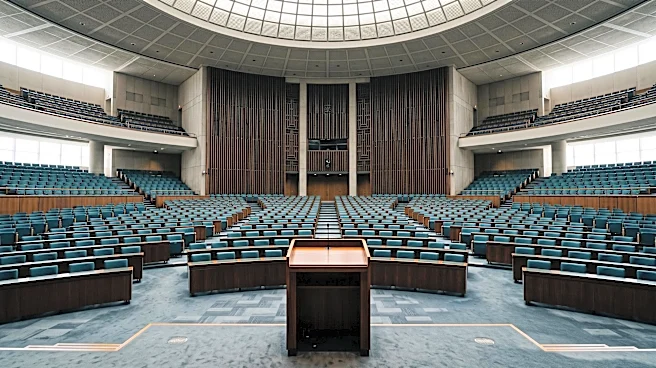
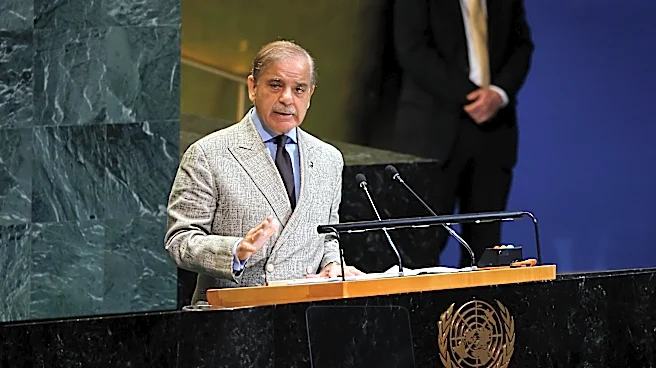
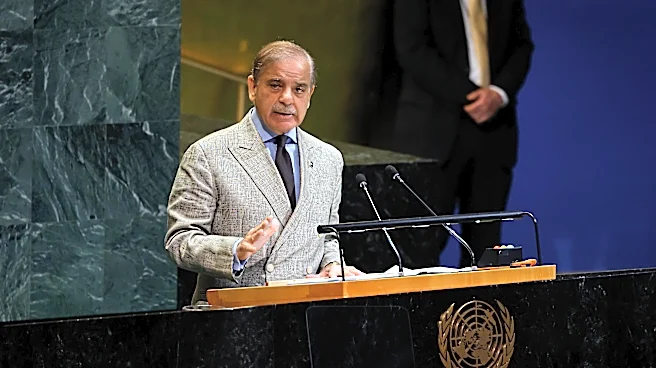
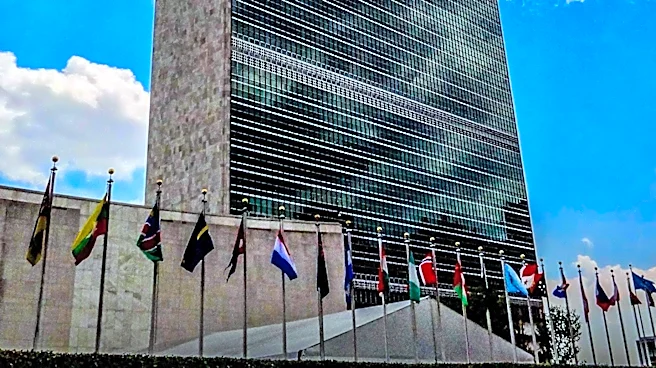
Pakistan's Permanent Representative to the UN, Ambassador Syed Haider Shah, has advocated for strategic reforms within the United Nations peacekeeping operations, emphasizing that budget cuts are not the solution. Speaking to the General Assembly’s Fourth
Committee, Ambassador Shah highlighted peacekeeping as an indispensable, effective, and cost-efficient tool for maintaining international peace and security. He stressed that any reform efforts must be approached with a strategic purpose to preserve the UN's operational capacity, ensuring it can deploy a credible international presence when ceasefires, political settlements, or emerging crises demand it. Pakistan, a major troop-contributing country, underscored the continued relevance of peacekeeping despite mounting political, operational, and financial pressures. Ambassador Shah warned against allowing financial ceilings to dictate operational requirements, asserting that political objectives should determine mandates. He also called for reinforcing the primacy of political solutions and ensuring focused mandates are matched with adequate resources.
Why It's Important?
This call for strategic reform from Pakistan is important as it addresses the critical challenges facing UN peacekeeping, a cornerstone of global security. The debate between budget cuts and strategic reform has significant implications for the UN's ability to respond to international conflicts and protect vulnerable populations. If peacekeeping operations are weakened by financial constraints rather than strengthened by targeted reforms, it could lead to increased instability in conflict zones and a diminished capacity for the international community to intervene effectively. Pakistan's perspective, as a nation with extensive experience in peacekeeping, highlights the need for sustained political will and adequate resources to maintain these operations. The emphasis on preserving peacekeeping's comparative advantages, such as universal legitimacy and predictable financing, underscores the unique value of UN missions in a complex global landscape. The outcome of this debate will directly impact the effectiveness of future international peace and security efforts.
What's Next?
The discussion on UN peacekeeping reform is expected to continue within the General Assembly’s Fourth Committee. Member states will likely deliberate on proposals for strategic reforms that aim to enhance efficiency and cost-effectiveness without compromising operational capabilities. The UN leadership, including the Assistant Secretary-General in the Departments of Political and Peacebuilding Affairs and Peace Operations, Mohamed Khaled Khiari, has already called on states to pay their contributions in full to ensure adequate resourcing for civilian protection. Future steps will involve developing and implementing reform measures that balance financial prudence with the imperative to maintain robust peacekeeping operations. The focus will be on ensuring that political objectives drive mandates and that resources are aligned with these objectives, rather than allowing financial limitations to dictate the scope and effectiveness of missions. The international community will need to demonstrate collective political will to support and strengthen UN peacekeeping.
Beyond the Headlines
The broader implications of this discussion extend to the fundamental role and future of multilateralism. The pressure on UN peacekeeping, stemming from geopolitical divisions and financial constraints, reflects a wider challenge to international cooperation. The call for strategic reform, rather than mere budget cuts, suggests a recognition that the UN's operational capacity is vital for global stability and that its erosion could have far-reaching consequences. This debate also touches upon the ethical responsibility of member states to support collective security mechanisms, especially in an era of increasing global interconnectedness and complex crises. The ability of the UN to adapt and reform its peacekeeping operations will serve as a litmus test for the resilience and relevance of international institutions in addressing 21st-century challenges. It highlights the ongoing tension between national interests and the collective good in global governance.