








What's Happening?
The House of Representatives has voted down a proposal to extend Section 702 of the Foreign Intelligence Surveillance Act, a key surveillance authority, by a vote of 198-218. The failure to pass the extension is largely attributed to opposition against
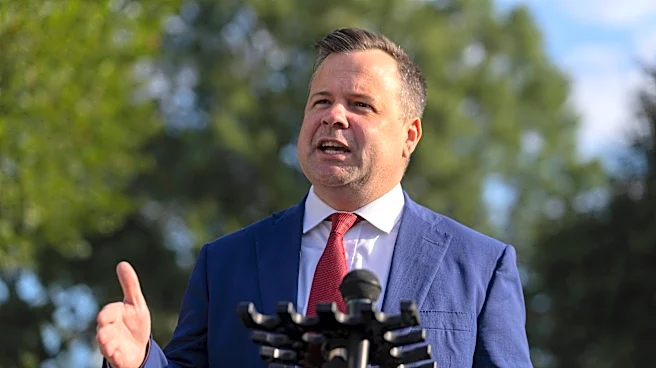
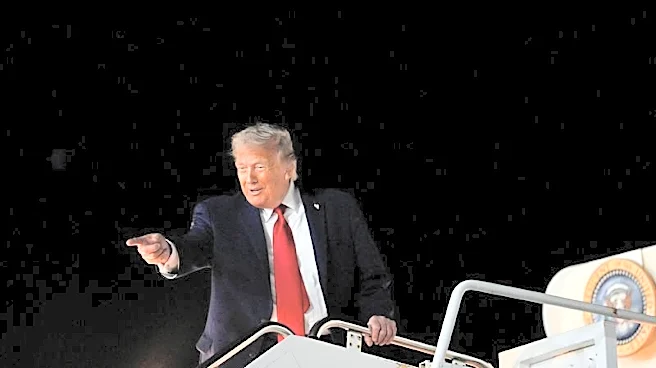
President Trump's appointment of Bill Pulte as acting director of national intelligence. Pulte, who currently heads the Federal Housing Finance Agency, has no prior national security experience, leading to bipartisan criticism. The expiration of Section 702, set for June 12, 2026, raises concerns about the impact on U.S. intelligence operations.
Why It's Important?
Section 702 is a vital tool for U.S. intelligence agencies, allowing them to collect foreign communications that are crucial for national security. Its expiration could hinder the ability to monitor potential threats, especially during significant events like the FIFA World Cup. The controversy over Pulte's appointment underscores the political challenges in securing bipartisan support for intelligence measures. The decision reflects broader debates on privacy and the need for reforms to ensure both security and constitutional rights are protected.
What's Next?
With the expiration of Section 702, there is uncertainty about the future of U.S. surveillance capabilities. Lawmakers may need to consider alternative approaches to address national security needs. The political implications of this decision could lead to further discussions on the qualifications required for intelligence leadership and the balance between security and privacy. The situation may also prompt legislative or executive actions to mitigate the impact of the lapse in surveillance authority.