
What's Happening?
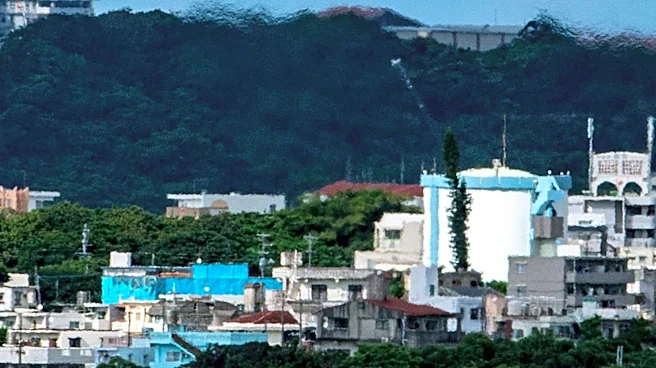
On August 7, Japan issued evacuation orders for nearly 260,000 people in Okinawa and Kagoshima prefectures as Super Typhoon Dolphin approached. The typhoon, with maximum sustained winds of 144 km/h and gusts
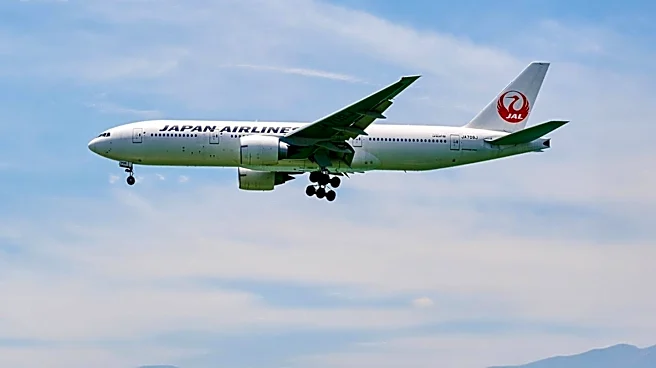
up to 198 km/h, has led to the cancellation of over 500 flights. Despite warnings of its strength, residents in Okinawa remained calm, with essential services like convenience stores staying open. The storm is expected to move towards the eastern coast of China by August 10.
Why It's Important?
The typhoon's impact on Japan highlights the challenges of managing natural disasters in densely populated areas. The evacuation and flight cancellations disrupt daily life and economic activities, emphasizing the need for effective disaster preparedness and response strategies. The calm response of residents and the continued operation of essential services demonstrate resilience and community support in times of crisis. The storm's trajectory towards China also raises concerns about its potential impact on other regions.
What's Next?
As Typhoon Dolphin moves towards China, authorities in both Japan and China will continue to monitor its path and implement necessary safety measures. The storm's potential to cause further disruptions and damage will require ongoing coordination between government agencies and communities. Efforts to support affected residents and restore normalcy will be crucial in the aftermath of the typhoon.