




What's Happening?
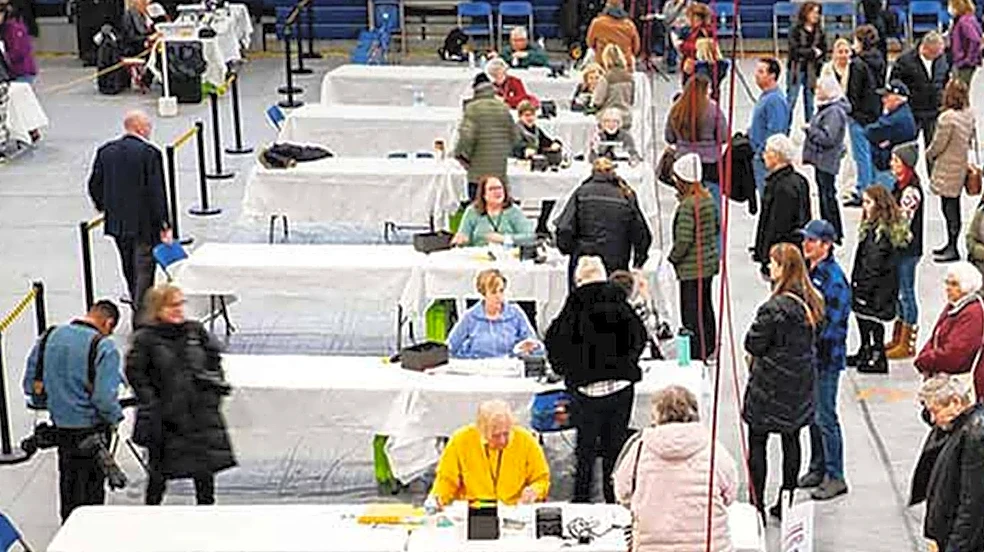
Hundreds of residents in the Omaha area attended a community resource event in Ralston, hosted by the Omaha Public Power District (OPPD) and Metropolitan Utilities District (MUD), seeking assistance with utility bills and other resources. The turnout
exceeded organizers' expectations, highlighting a significant need for utility assistance among local residents facing financial challenges. Attendees included individuals like one woman who is out of work due to a disability and had previously struggled to find help through other channels. Representatives from OPPD and MUD emphasized that the event aimed not only to provide immediate bill relief but also to connect customers with long-term support. Other organizations, including the American Red Cross and Douglas County Health, were also present to offer additional resources.
Why It's Important?
The overwhelming attendance at the Ralston community resource event underscores the severe financial strain many households in the Omaha area are experiencing, particularly concerning essential utility costs. High utility bills, coupled with other rising living expenses, can push vulnerable families into difficult situations, potentially leading to service disconnections, housing instability, and increased health risks. Events like this are crucial as they provide a direct lifeline to those in need, offering immediate financial relief and connecting them with broader support networks. The collaboration between utility providers and community organizations demonstrates a proactive approach to addressing economic hardship and promoting community well-being, preventing more widespread crises.
What's Next?
For those who could not attend the Ralston event, OPPD and MUD continue to offer online applications for energy assistance programs. The high demand observed at the event may prompt utility companies and community organizations to consider hosting similar resource events in the future or expanding existing assistance programs. There may also be increased advocacy for policies that address the root causes of utility insecurity, such as affordable housing initiatives or employment support programs. The ongoing need for such assistance suggests that local authorities and non-profits will continue to play a vital role in supporting residents through financial challenges, ensuring access to essential services.
Beyond the Headlines
The significant turnout at the utility assistance event reflects a broader economic vulnerability affecting many U.S. households, where the cost of living, including utilities, often outpaces income growth. This situation can lead to a cycle of debt and hardship, particularly for those with fixed incomes, disabilities, or unexpected job losses. The event highlights the critical role of public utilities and community services as essential safety nets, but also points to systemic issues that require long-term solutions. It underscores the importance of accessible information and streamlined application processes for assistance programs, as many individuals struggle to navigate complex bureaucratic systems when in crisis. The collective response from various organizations demonstrates the power of community collaboration in addressing pressing social needs.