



What's Happening?
The Centers for Disease Control and Prevention (CDC) advises an annual flu vaccine for nearly everyone aged six months and older, with rare exceptions. The flu season typically spans from October to May, with peak activity often occurring between December
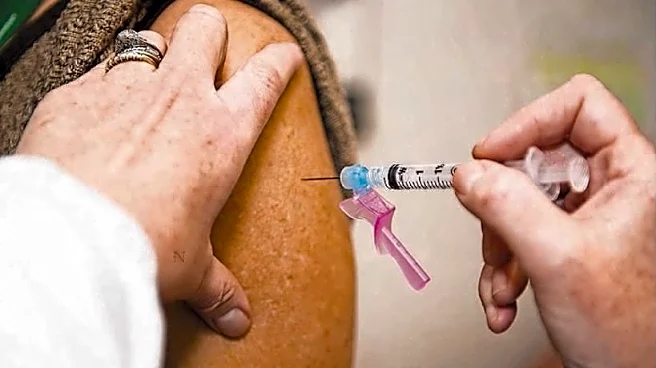
and February. Health officials recommend receiving the annual flu shot by the end of October to allow approximately two weeks for full immunity to develop. The vaccine is designed to reduce the risk of illness and, if infection occurs, to lessen the severity of complications. It is a common misconception that the flu shot can cause the flu; rather, any post-vaccination symptoms are usually the body's immune response to the inactive virus components. The flu vaccine is considered safe and is continuously monitored, with most side effects being mild and temporary. It is readily available during flu season and can be safely administered concurrently with other immunizations, such as COVID-19, pneumonia, and RSV vaccines. For children between 6 months and 8 years old receiving their first flu shot, the CDC suggests they might need two doses, four weeks apart.
Why It's Important?
The widespread recommendation for annual flu vaccination is crucial for public health, particularly in the U.S., as it aims to mitigate the impact of seasonal influenza on healthcare systems and vulnerable populations. By reducing the incidence and severity of flu cases, the vaccine helps prevent hospitalizations and deaths, especially among high-risk groups like young children, the elderly, and individuals with underlying health conditions. The ability to co-administer the flu shot with other vaccines, including COVID-19, streamlines the vaccination process, potentially increasing uptake and overall community protection. This strategy is vital for maintaining healthcare capacity and preventing co-circulation of multiple respiratory viruses, which could overwhelm medical resources. Furthermore, widespread vaccination contributes to herd immunity, protecting those who cannot be vaccinated, such as infants too young for the shot, and immunocompromised individuals.
What's Next?
As flu season progresses, health officials will continue to monitor influenza activity and vaccine effectiveness. Public health campaigns will likely persist, encouraging individuals to get vaccinated if they haven't already, emphasizing that it's not too late as long as flu viruses are circulating and unexpired vaccines are available. Healthcare providers will continue to offer guidance on vaccination schedules, especially for children requiring two doses. The integration of flu shots with other routine immunizations is expected to continue, simplifying access for the public. Ongoing research will also focus on improving vaccine efficacy against evolving flu strains and exploring new administration methods, such as nasal vaccines, for those with needle aversion, while carefully considering their specific eligibility and side effect profiles.
Beyond the Headlines
Beyond the immediate health benefits, the annual flu vaccination campaign highlights broader societal implications regarding public health literacy and vaccine confidence. Addressing common myths, such as the belief that the flu shot causes the flu, is essential for fostering informed decision-making and combating misinformation. The emphasis on protecting vulnerable populations through community-wide vaccination underscores the ethical dimension of collective responsibility in public health. The accessibility of flu shots, often free with insurance at pharmacies like CVS, reflects efforts to reduce barriers to preventive care and promote health equity. This ongoing public health initiative also serves as a model for managing other infectious diseases, demonstrating the importance of proactive measures, continuous monitoring, and adaptable vaccination strategies in safeguarding national health.