





What's Happening?
An Israeli grain importer has refused to accept a shipment of grain allegedly stolen from Ukraine, escalating diplomatic tensions between Israel and Ukraine. The grain, reportedly taken by Russia from occupied Ukrainian territories, was scheduled to be unloaded
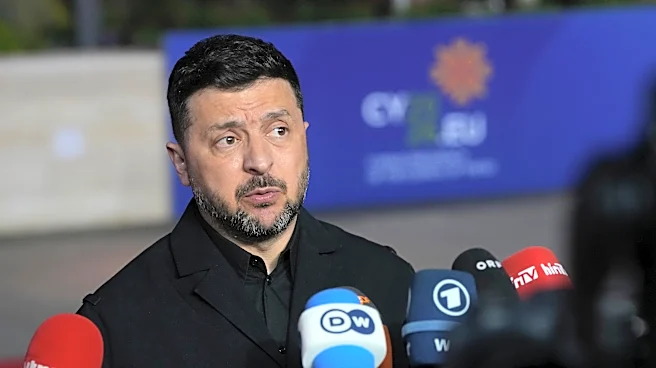
at the port of Haifa. The Israel Grain Importers Association announced that the Russian supplier must find an alternative destination for the cargo. This decision follows accusations from Ukrainian President Volodymyr Zelensky that Israel has previously allowed such shipments to be unloaded, warning of potential sanctions if the practice continues. Israel's Foreign Ministry has countered, stating that Ukraine delayed submitting formal paperwork and evidence, and the request is under examination. The European Union has also requested information from Israeli authorities and warned of possible sanctions against those involved.
Why It's Important?
The refusal to unload the grain shipment highlights the ongoing geopolitical tensions surrounding Russia's invasion of Ukraine and the alleged looting of Ukrainian agricultural resources. Israel's decision may influence other countries and companies to reconsider their involvement with potentially stolen goods, impacting global trade dynamics. The situation underscores the complex diplomatic relations between Israel, Ukraine, and Russia, with potential repercussions for international sanctions and trade policies. The EU's involvement indicates broader international scrutiny and potential economic consequences for entities found to be circumventing sanctions.
What's Next?
The Israeli grain importer's decision may prompt other countries and companies to reassess their trade practices concerning potentially stolen goods. Ukraine may continue to push for international support to prevent the sale of its looted resources, potentially leading to increased diplomatic pressure on Israel and other nations. The EU's warning of possible sanctions could lead to further international actions against entities involved in the trade of stolen goods, affecting global trade relations and economic policies.