




What's Happening?
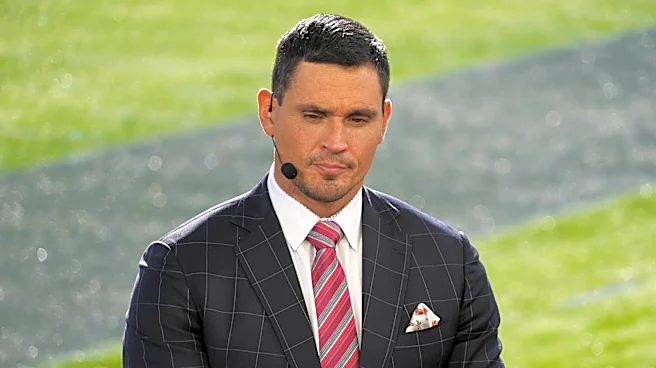
Lawrence Jones, co-host of Fox & Friends, has undergone a second surgery for a detached retina, explaining his recent absence from the network. Jones shared on his X account that his initial retinal tear, which led to a previous surgery in January, was
caused by a childhood sports injury. He stated that a second detachment is common after the initial tear. Jones expressed gratitude to his colleagues, Fox management, and the audience for their support during this challenging time. He had previously returned to the show while still recovering from his first surgery, choosing to share his healing journey with viewers. Jones became a permanent co-host on Fox & Friends in September 2023, making him the youngest Black co-host on cable news at 30 years old. He co-hosts alongside Brian Kilmeade and Ainsley Earhardt.
Why It's Important?
This event highlights the personal challenges faced by public figures and the impact of health issues on their professional lives. For Fox News and its viewers, Jones's absence means a temporary change in the on-air dynamic of a prominent morning show. His decision to openly share his health struggles can foster a sense of connection and transparency with the audience, potentially normalizing discussions around health challenges in the workplace. The situation also underscores the long-term consequences of past injuries, as a childhood sports injury is identified as the root cause of his current condition. For Jones, a significant figure in cable news, his recovery is crucial for his continued presence and influence in political commentary.
What's Next?
Jones has expressed optimism about returning to Fox & Friends soon, indicating that his recovery is underway. The immediate next step will be his recuperation from the recent surgery. His return to the show will likely be met with well wishes from his co-hosts and viewers. The network will continue to manage his temporary absence, potentially with guest hosts or increased airtime for his co-anchors. Long-term, Jones will need to monitor his eye health closely, given the recurrence of the detached retina. His experience may also prompt broader discussions within media circles about the pressures and health considerations for on-air talent.
Beyond the Headlines
Jones's candidness about his detached retina and the underlying childhood sports injury brings attention to the often-overlooked long-term health implications of athletic activities. It also sheds light on the importance of early medical intervention, as Jones initially delayed seeking treatment for his vision issues. His choice to share his healing process publicly challenges the traditional media facade of constant perfection, offering a more human and relatable image of a public figure. This transparency could encourage others to prioritize their health and seek medical advice promptly, regardless of their public role. The situation also subtly touches upon the demanding nature of live television, where even health setbacks must be navigated while maintaining a public presence.