

What's Happening?
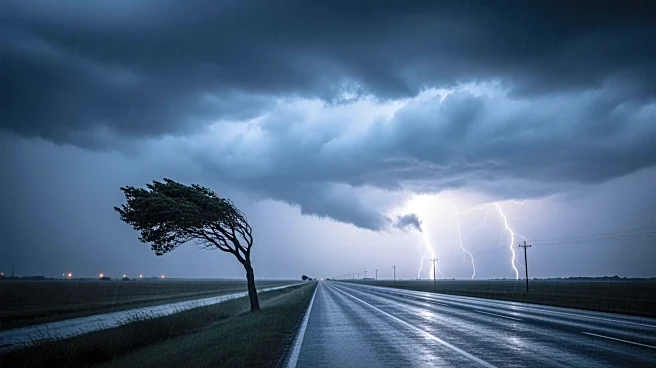
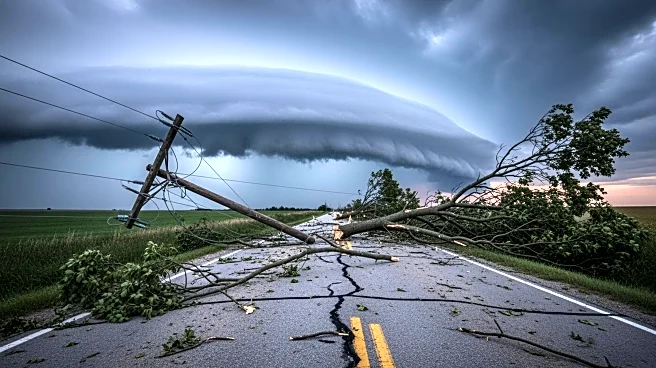
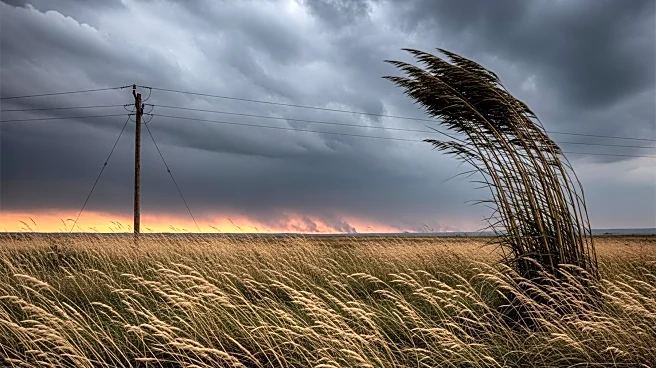
High winds sweeping across the Great Lakes region have left hundreds of thousands without power and caused significant property damage. The National Weather Service reported gusts reaching 66 mph at Pittsburgh International Airport and 85 mph at Cleveland
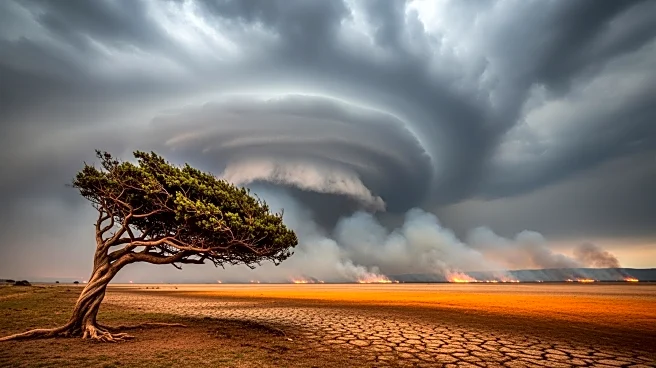
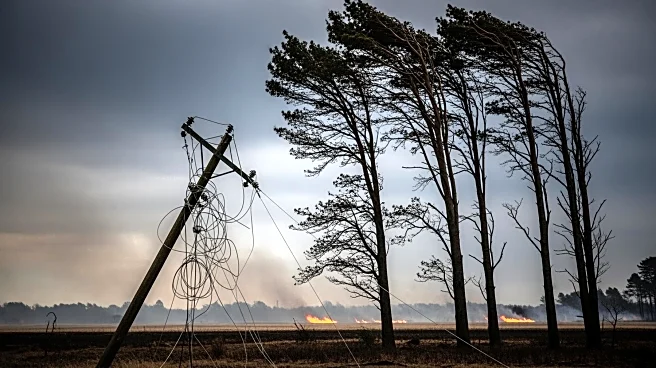
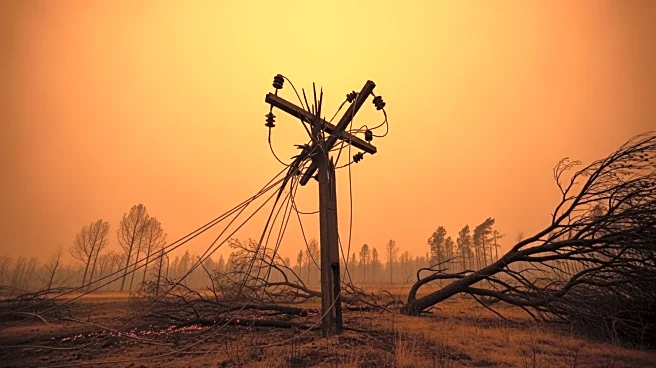
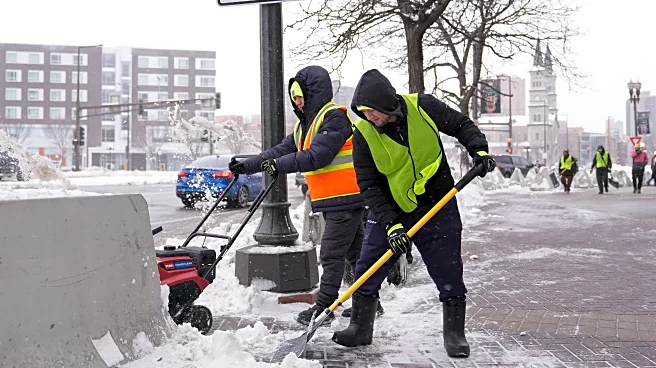
Burke Lakefront Airport. These winds have downed trees and damaged structures, including a gas station canopy in Ohio and a school roof in Illinois. In Nebraska, the winds have fueled wildfires, resulting in one fatality and the destruction of at least 12 structures. The Morrill County fire alone has burned over 735 square miles. The Nebraska Emergency Management Agency reports that strong winds have hindered firefighting efforts, with several wildfires burning nearly 938 square miles in total. Governor Jim Pillen has toured the affected areas. Meanwhile, the Midwest braces for a potential 'triple-threat March megastorm' with snow emergencies declared in Minnesota, Wisconsin, and Michigan.
Why It's Important?
The severe weather conditions highlight the vulnerability of infrastructure and communities to extreme weather events. The power outages affect daily life and economic activities, while the wildfires pose immediate threats to life and property. The situation underscores the need for robust emergency response systems and infrastructure resilience. The economic impact is significant, with potential losses in agriculture, property, and local businesses. The ongoing weather challenges also stress the importance of climate adaptation strategies to mitigate future risks. The widespread nature of the weather events, affecting areas from the Midwest to Hawaii, indicates a broader pattern of climate volatility that could have long-term implications for public policy and resource allocation.
What's Next?
As the Midwest prepares for the incoming snowstorm, emergency services are on high alert. The declared snow emergencies in several cities suggest proactive measures to manage the anticipated snowfall and potential disruptions. In Nebraska, firefighting efforts continue, with local communities rallying to support with resources like water and food for volunteers. The ongoing weather events may prompt discussions among policymakers about improving infrastructure resilience and emergency preparedness. The situation also calls for increased coordination between state and federal agencies to address the immediate needs and plan for future weather-related challenges.