




What's Happening?
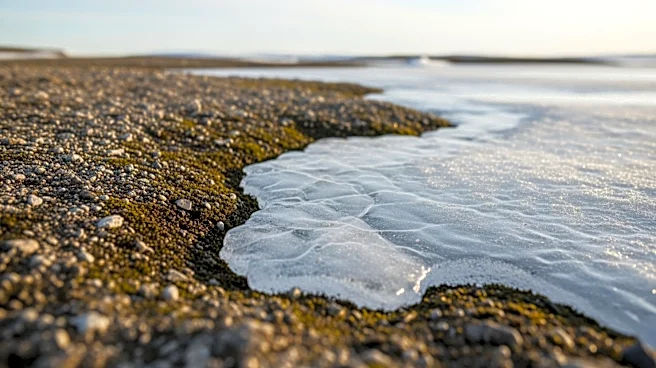
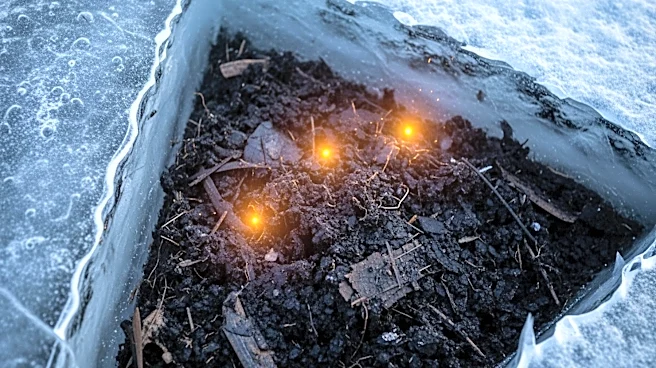
A new study led by geoscientist Michael Rawlins from the University of Massachusetts Amherst reveals significant changes in Arctic permafrost thawing. The research, conducted over Alaska's North Slope, shows that as the permafrost thaws, it releases large
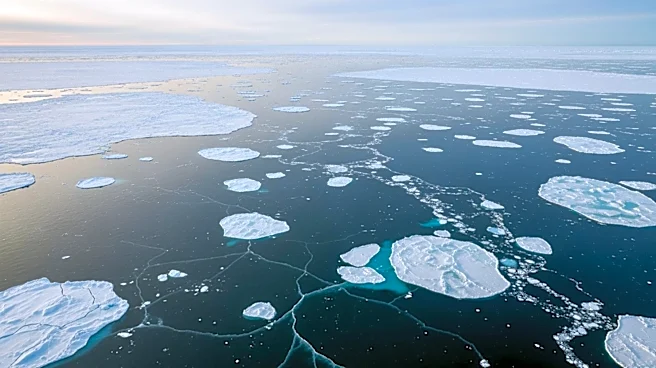
amounts of ancient carbon into rivers, which eventually reach the ocean. This process contributes to the formation of carbon dioxide, exacerbating global warming. The study utilized 44 years of high-resolution data to model these changes, highlighting an increase in runoff and a longer thawing season. The findings underscore the Arctic's critical role in the global carbon cycle, as its rivers deliver a substantial portion of the world's river water to the ocean, which is sensitive to these changes.
Why It's Important?
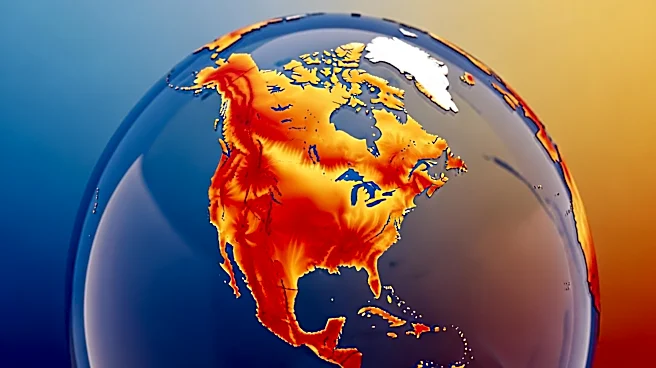
The release of ancient carbon from thawing permafrost has significant implications for global climate change. As more carbon is converted into carbon dioxide, it contributes to a feedback loop that accelerates global warming. This process not only affects the Arctic region but also has broader impacts on global climate patterns. The study's findings highlight the urgent need for more comprehensive research on land-to-ocean carbon transfers to better understand and mitigate the effects of climate change. The increased carbon release could also affect marine ecosystems, altering nutrient cycles and food webs in the Arctic Ocean.
What's Next?
Future research will focus on understanding the full extent of carbon release and its impact on coastal ecosystems. Scientists are particularly interested in how ice wedge polygons, a common Arctic feature, influence water and carbon movement. The study calls for more detailed observations and modeling to fill gaps in understanding the carbon cycle. This research is crucial for developing strategies to address climate change and its effects on both local and global scales.
Beyond the Headlines
The study highlights the ethical and environmental challenges posed by climate change. The release of ancient carbon raises questions about humanity's responsibility to mitigate its impact on the planet. The findings also emphasize the need for international cooperation in climate research and policy-making to address these global challenges effectively.