






What's Happening?
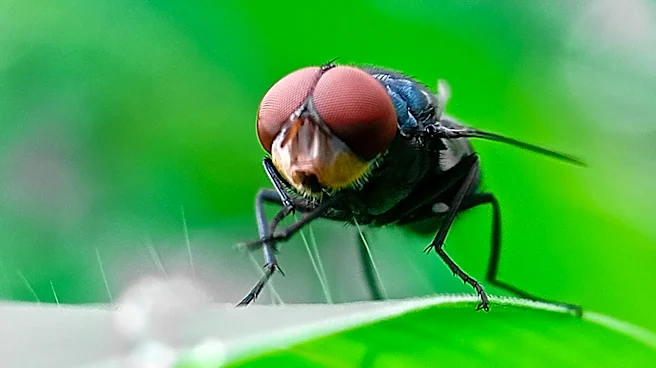
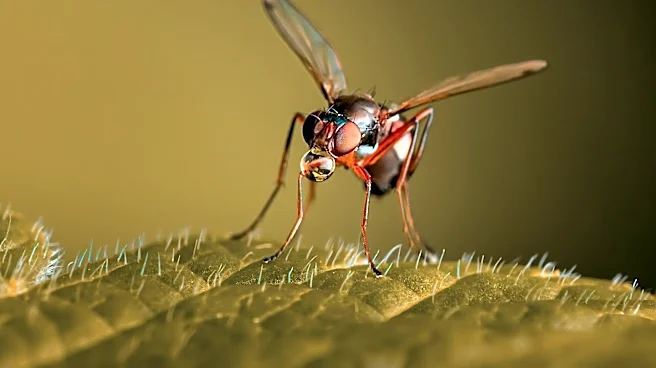
Pennsylvania is taking proactive steps to prevent the New World screwworm fly from entering the state. This parasitic fly, which feeds on the living tissue of warm-blooded mammals, was eradicated in the U.S. 60 years ago but has recently reappeared in Texas
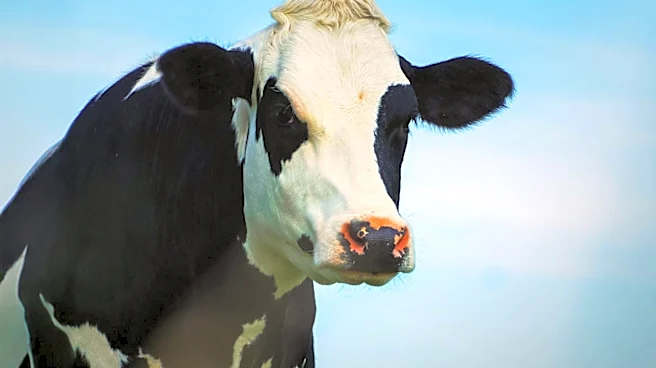
and New Mexico. The Pennsylvania Department of Agriculture has issued a quarantine order for animals entering the state from affected areas, requiring them to be screened and treated with prophylactic medications. The fly poses a significant threat to livestock, as it lays eggs in open wounds, leading to severe tissue damage. Dr. Erin Luley, Pennsylvania's assistant state veterinarian, emphasized the potential devastation to the livestock industry, prompting these preventative measures.
Why It's Important?
The reemergence of the New World screwworm fly in the U.S. could have severe economic implications for the livestock industry, particularly in states like Pennsylvania with significant agricultural sectors. The fly's ability to cause extensive damage to livestock could lead to increased costs for farmers and potentially impact food supply chains. By implementing quarantine measures, Pennsylvania aims to protect its livestock industry from potential outbreaks, which could otherwise result in substantial economic losses. The state's proactive approach highlights the importance of biosecurity in safeguarding agricultural interests.
What's Next?
Pennsylvania will continue to monitor the situation closely, working with federal agencies and other states to track the spread of the screwworm fly. The effectiveness of the quarantine measures will be assessed, and adjustments may be made as necessary to ensure the state's livestock remains protected. Ongoing communication with farmers and veterinarians will be crucial to maintaining vigilance and preventing any potential outbreaks.