
What's Happening?
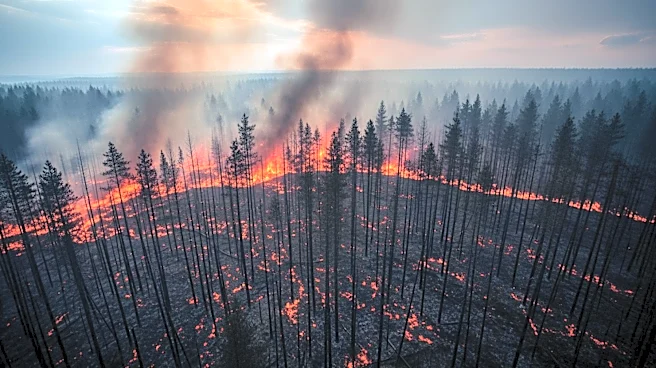
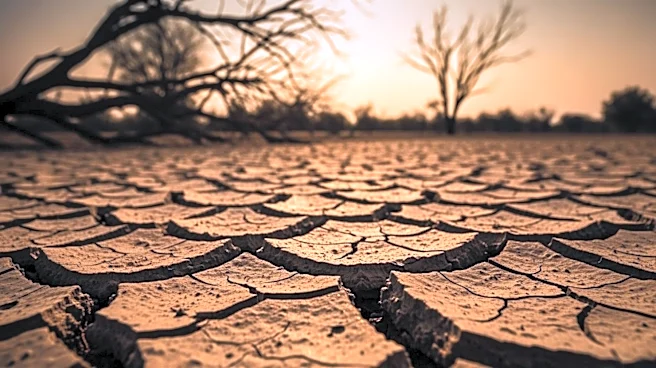
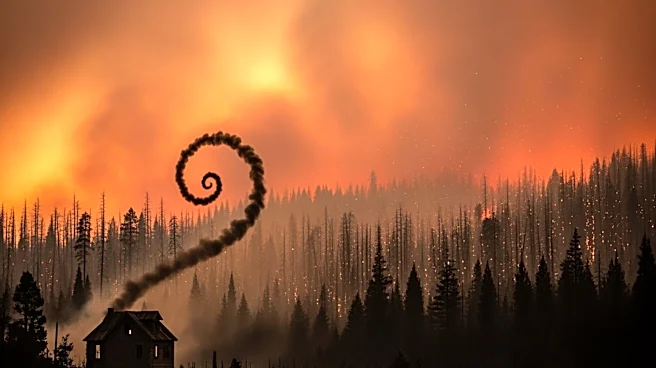
Wildfires in the southern United States, particularly in Georgia and Florida, have forced hundreds of residents to evacuate their homes. The fires, exacerbated by an extreme drought and strong winds, have destroyed
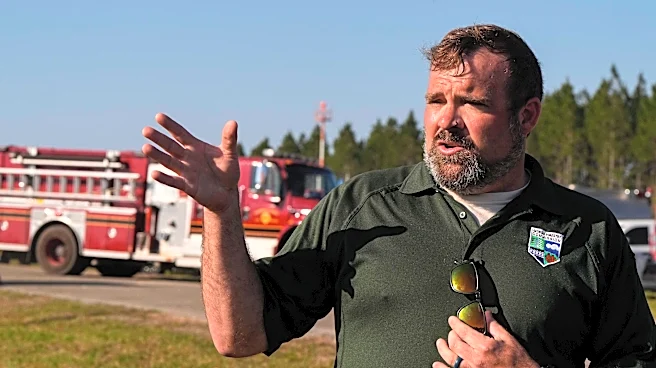
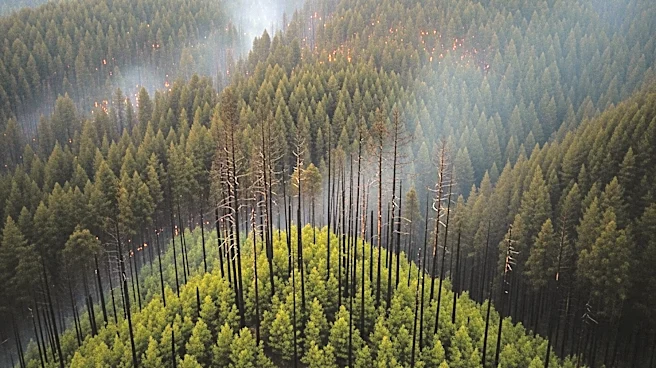
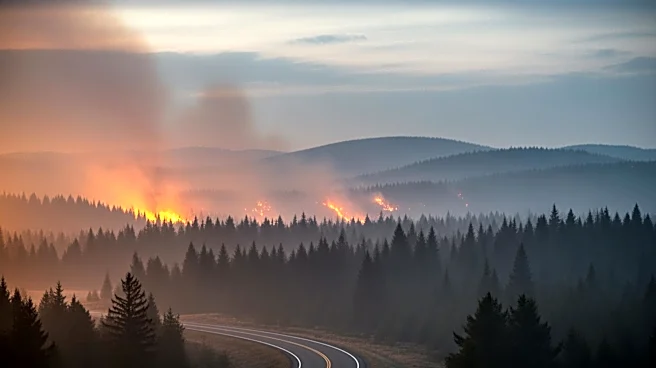
over 50 homes in rural areas. The Brantley County fire near Georgia's coast is one of the most significant, causing widespread evacuations and school closures. The fires have also led to air quality warnings across the Southeast, with smoke affecting cities hundreds of miles away. The Georgia Forestry Commission reported that the fires are fueled by debris left from Hurricane Helene in 2024. Firefighters are battling numerous blazes, with the largest fire covering 47 square miles east of Valdosta, Georgia.
Why It's Important?
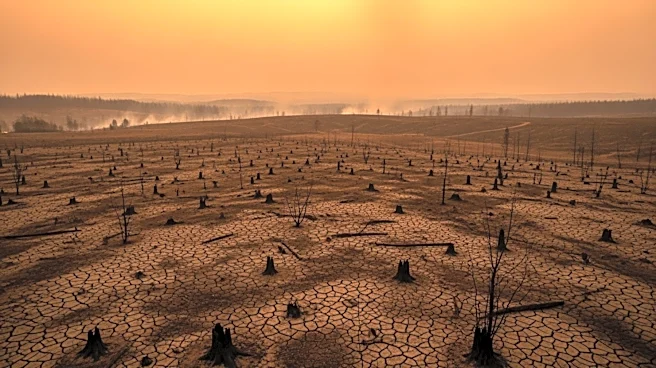
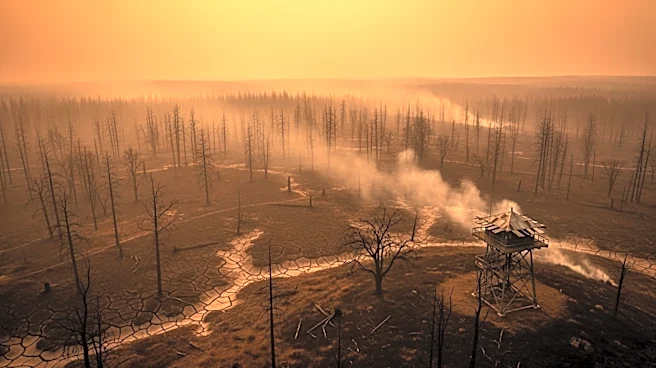
The wildfires highlight the increasing vulnerability of the southern U.S. to extreme weather events, exacerbated by climate conditions. The destruction of homes and displacement of residents underscore the urgent need for effective disaster management and preparedness strategies. The fires also pose significant health risks due to poor air quality, affecting vulnerable populations such as children and those with respiratory issues. The economic impact is substantial, with potential losses in property and infrastructure, and the strain on emergency services. The situation calls for coordinated efforts to address the root causes of such disasters, including climate change and land management practices.
What's Next?
Efforts to contain the fires are ongoing, with firefighters working to prevent further spread. The unpredictable wind conditions pose a challenge, and authorities are monitoring the situation closely. Residents are advised to stay informed about evacuation orders and air quality alerts. Long-term, there may be discussions on improving forest management and disaster response strategies to mitigate future risks. The situation may also prompt policy discussions on climate adaptation and resilience in the face of increasing natural disasters.