





What's Happening?
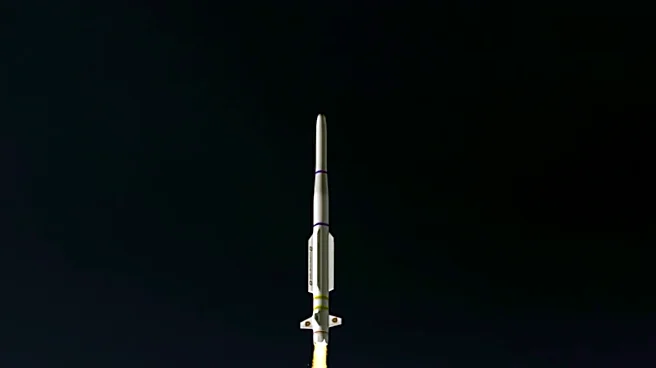
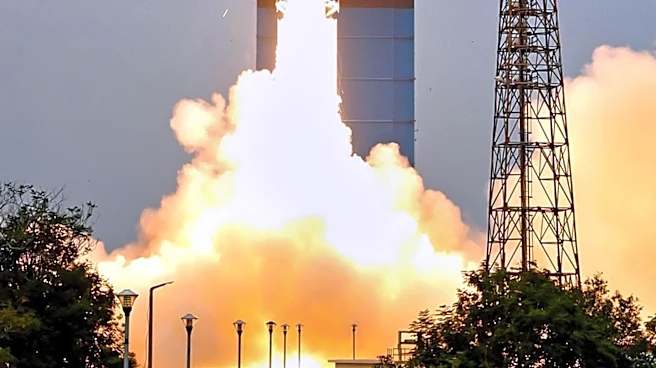
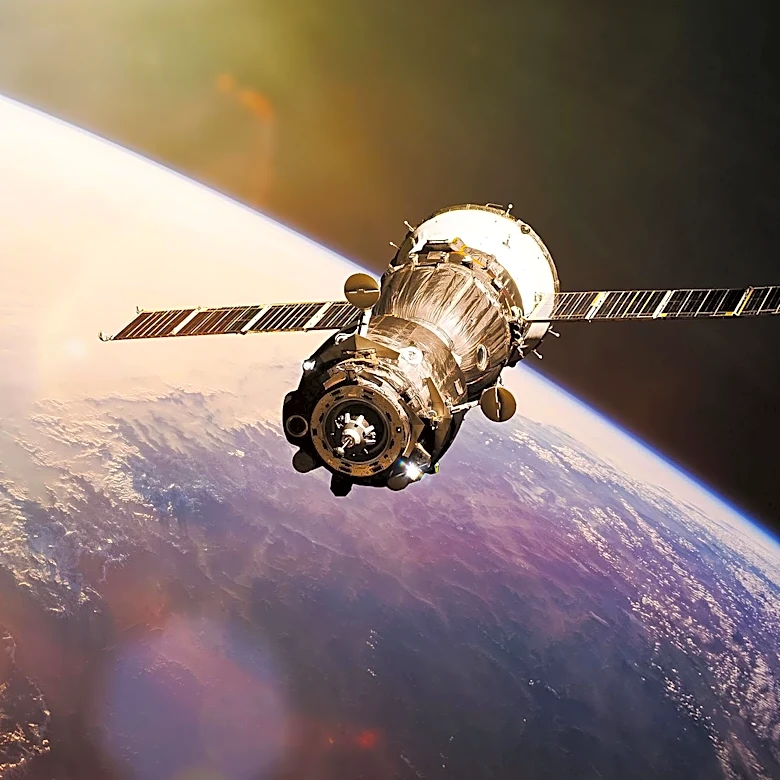
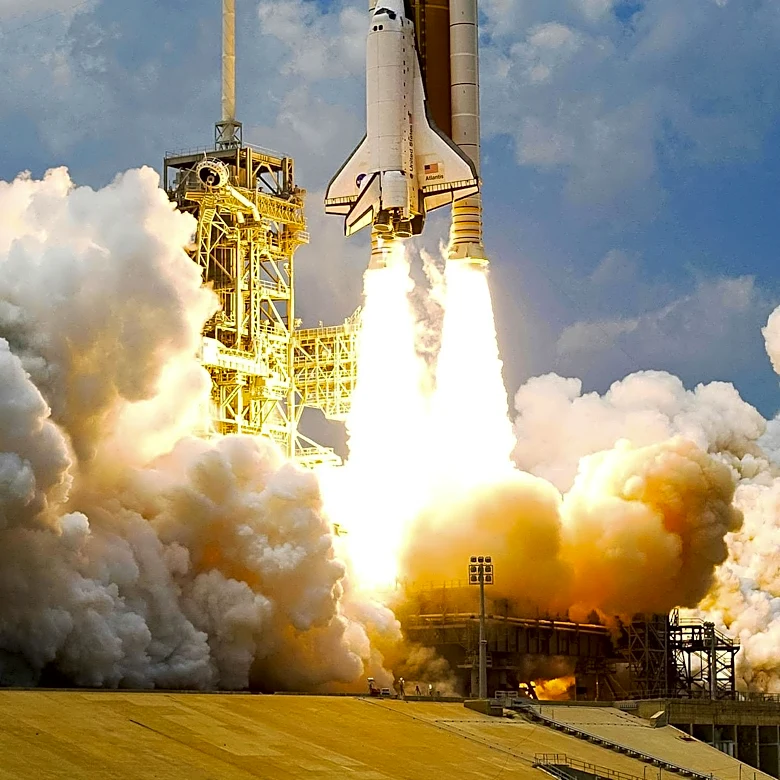
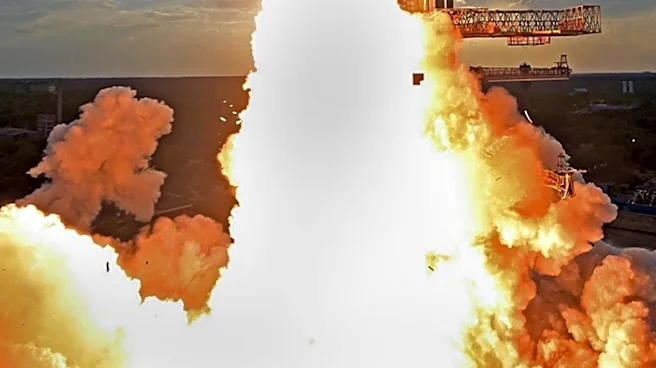
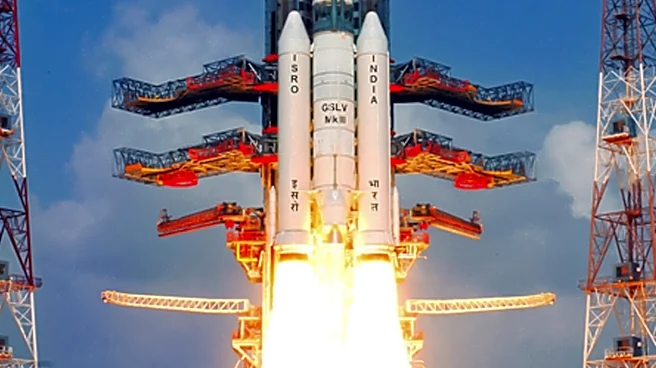
Skyroot Aerospace, an Indian space startup, successfully launched Vikram-1, the country's first privately developed orbital rocket, from the Satish Dhawan Space Centre in Sriharikota. The launch, named Mission Aagaman, placed several payloads into a 450km
low Earth orbit, marking a significant milestone for India's private space sector. This achievement positions India as the third country, after the US and China, to have a private company successfully develop and launch an orbital rocket. The Vikram-1 rocket, standing 22 meters tall, is designed to carry payloads of up to 350kg and utilizes innovative technologies such as a 3D-printed engine. The mission aims to validate the rocket's systems and gather data for future commercial launches.
Why It's Important?
The successful launch of Vikram-1 by Skyroot Aerospace is a pivotal moment for India's space industry, highlighting the country's growing capabilities in the global commercial launch market. This development is crucial as it demonstrates India's potential to compete with established players like SpaceX. The mission also reflects the broader trend of increasing private sector involvement in space exploration, following the Indian government's decision to open the space sector to private investment in 2020. This move is expected to boost India's share of the global space economy significantly, from $8 billion to $44 billion by 2033, fostering innovation and attracting global investments.
What's Next?
Skyroot Aerospace plans to conduct additional test flights before transitioning to routine commercial launches. The company aims to offer dedicated launch services for small satellite operators, positioning itself as a key player in the global space industry. As competition intensifies, Skyroot's success could encourage further investment in India's private space sector, potentially leading to more collaborations and technological advancements. The Indian government is likely to continue supporting private space initiatives to enhance the country's independent access to space and strengthen its position in the international space market.