







What's Happening?
China's economy expanded by 4.3% in the second quarter, marking one of its lowest growth rates on record. This figure fell short of the government's target range of 4.5% to 5%, highlighting ongoing economic challenges. The slowdown is attributed to a combination
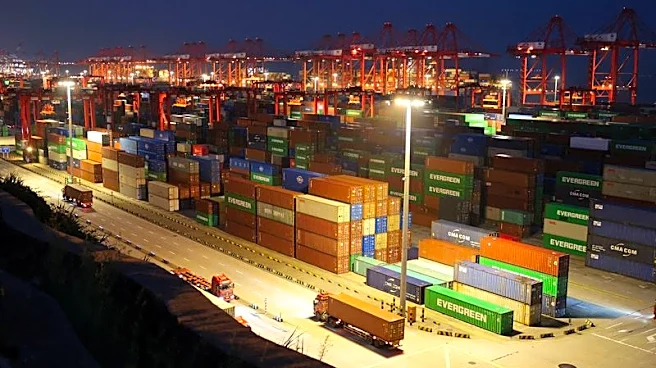
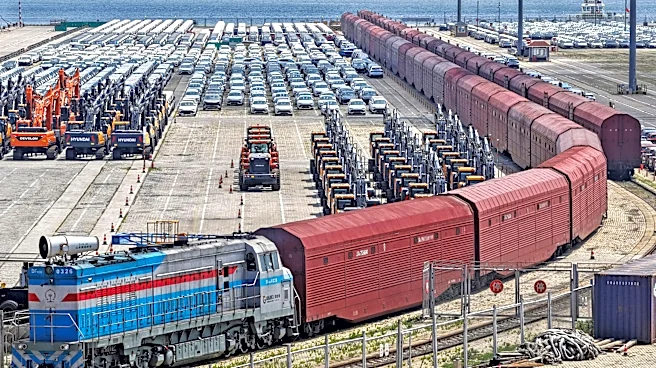
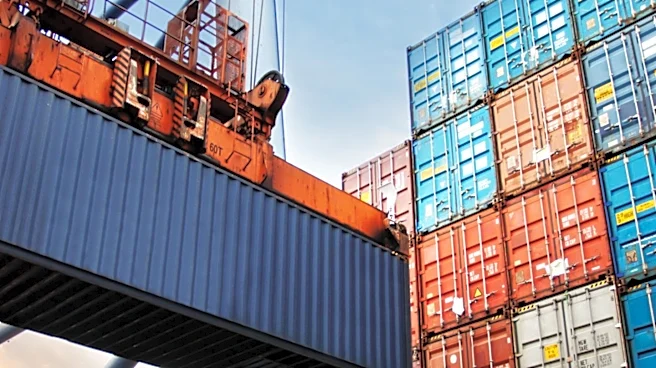
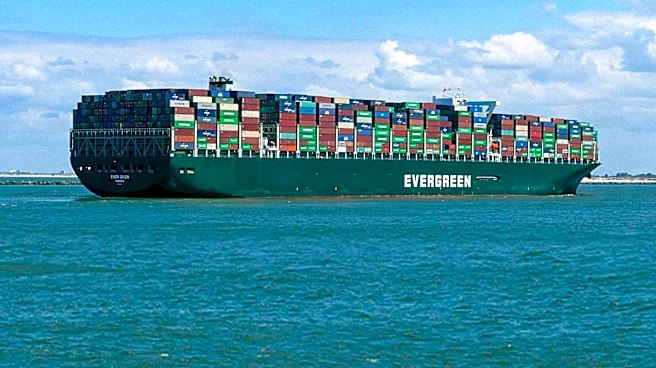
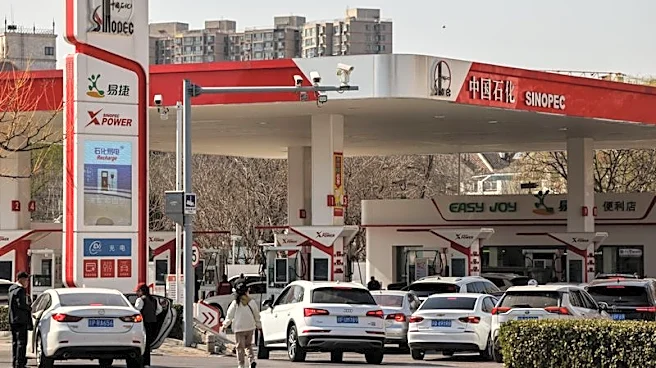
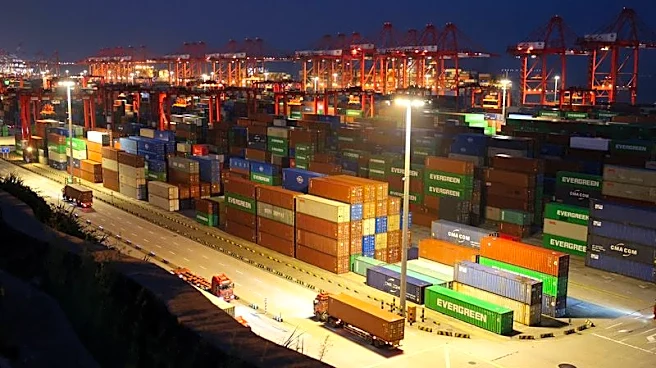
of factors, including reduced consumer demand and investment within the country, despite a significant increase in exports. The National Bureau of Statistics of China reported that while car exports reached a record high, domestic vehicle sales dropped by over 16%. The data underscores China's reliance on exports, which constitute about 20% of its GDP, as domestic consumption remains weak. Economists are closely monitoring potential government responses, as further stimulus measures may be necessary to boost consumer spending and rebalance the economy.
Why It's Important?
The slowdown in China's economic growth has significant implications for global markets, particularly the United States, which is a major trading partner. A weaker Chinese economy could lead to reduced demand for U.S. exports, affecting American businesses and potentially leading to job losses. Additionally, the ongoing trade tensions between the U.S. and China add uncertainty to the economic landscape. The potential resumption of tariffs could further strain Chinese exporters and manufacturers, impacting global supply chains. The situation also highlights the challenges China faces in transitioning from an export-driven economy to one that relies more on domestic consumption, a shift that could influence global economic dynamics.
What's Next?
Economists and analysts are watching for any indications of new stimulus measures from the Chinese government, which may be discussed during upcoming meetings of top officials. Such measures could include efforts to boost consumer spending and investment, which are crucial for rebalancing the economy. The expiration of the current trade truce between the U.S. and China in November could also lead to renewed tariffs, affecting both countries' economies. Additionally, the global economic environment, influenced by geopolitical tensions and potential recessions, will play a critical role in shaping China's economic trajectory.
Beyond the Headlines
The current economic situation in China raises broader questions about the sustainability of its growth model, which has historically relied heavily on exports and infrastructure investment. The decline in fixed-asset investment, a key driver of past growth, suggests that local governments may no longer be able to sustain previous levels of economic expansion. This shift could lead to long-term changes in China's economic policies and priorities, with potential impacts on global trade patterns and economic alliances. The situation also underscores the interconnectedness of global economies, where shifts in one major economy can have ripple effects worldwide.