
What's Happening?
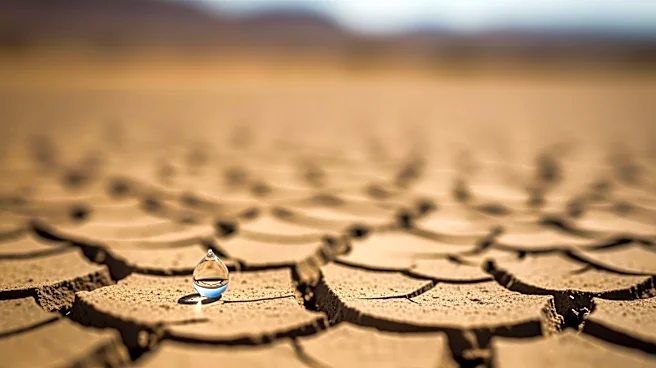
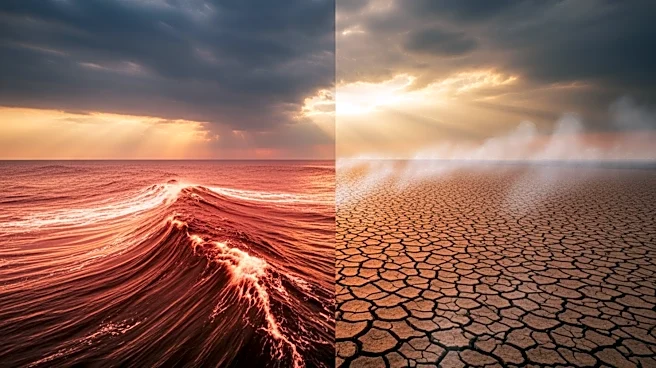
The Old Farmer’s Almanac has issued a warning to gardeners across the United States to prepare for a hotter and drier summer in 2026. The forecast predicts above-average temperatures and uneven rainfall,
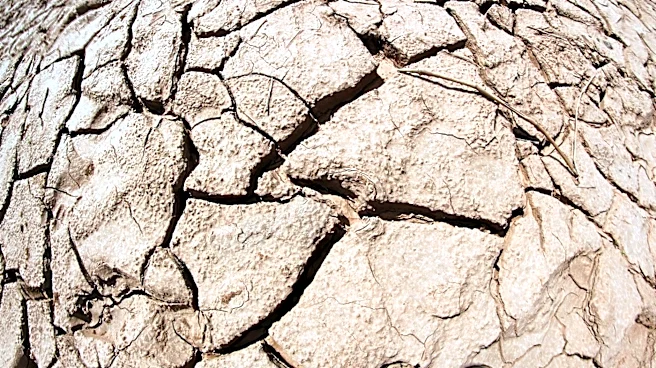
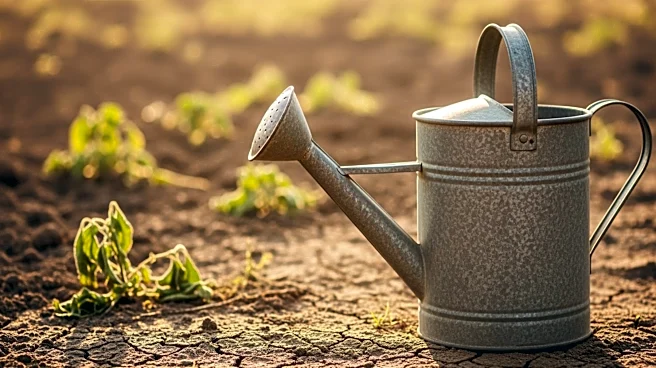
which could lead to significant stress on plants, soil, and water supplies. This pattern is expected to affect not only the traditionally arid West but also extend across multiple regions, including the High Plains, Northern U.S., and parts of the East. The Almanac suggests that gardeners may face challenges such as faster soil drying, plant stress, and increased water usage. To mitigate these effects, gardeners are advised to adopt strategies like deep watering, improving soil moisture retention, and using efficient watering systems.
Why It's Important?
The anticipated dry conditions could have widespread implications for agriculture and water management in the U.S. As summers become hotter and longer due to climate change, the stress on water resources and plant life increases, potentially affecting food production and ecosystem health. Gardeners and farmers may need to adapt their practices to conserve water and maintain plant health, which could involve increased costs and resource allocation. The forecast highlights the need for sustainable gardening practices and water management strategies to cope with changing climate patterns.
What's Next?
Gardeners are encouraged to implement water-efficient practices and consider planting drought-tolerant species to better withstand the predicted dry conditions. As the summer progresses, monitoring weather patterns and adjusting gardening techniques will be crucial. The broader agricultural sector may also need to explore adaptive measures to ensure crop resilience and water conservation. Policymakers and environmental organizations might focus on developing guidelines and support systems to help communities manage the impacts of a hotter, drier climate.