







What's Happening?
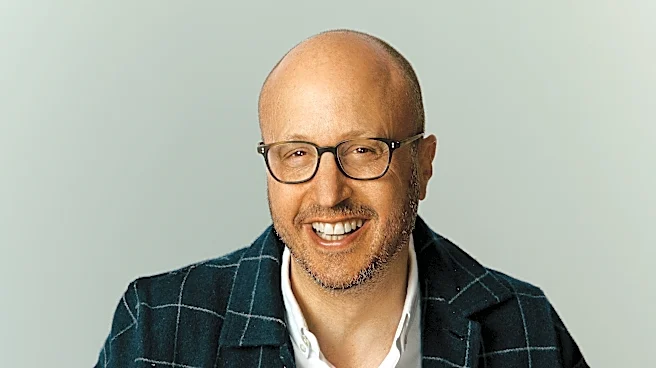
Belgium's Prince Laurent has formally recognized his adult son, Clément Vandenkerckhove, as a member of the country's royal family. This official acknowledgment follows Prince Laurent's public statement last year confirming his biological fatherhood of Vandenkerckhove, a 26-year-old
former car salesman. The paternity was officially established before a civil registrar in February, with Vandenkerckhove also present to sign the documents. Vandenkerckhove is the son of Prince Laurent and Iris Vandenkerckhove, a Belgian model, singer, and actress known as Wendy Van Wanten. While this formality grants Vandenkerckhove the title of prince, he is not expected to undertake any royal duties and will not be in line for the throne, as his birth occurred outside a government-approved marriage, according to Christian Behrendt, a professor of constitutional law at the University of Liège.
Why It's Important?
This event highlights the evolving dynamics within European monarchies regarding paternity and succession, even if it doesn't directly impact the U.S. The formal recognition of an illegitimate child by a royal figure, while not unprecedented in Europe, underscores a shift towards greater transparency and acknowledgment of familial ties, regardless of traditional marital structures. For the Belgian royal family, it resolves decades of speculation and formally integrates a previously unacknowledged member into the family lineage. Although Vandenkerckhove will not have a claim to the throne, his new status as a prince could influence public perception of the monarchy and its adaptability to modern societal norms. This situation also mirrors past instances within the Belgian royal family, such as King Albert II's eventual recognition of his daughter, Delphine Boël, after years of denial, suggesting a broader trend of confronting and rectifying historical family secrets within European royalty.
What's Next?
Following the formal recognition, Clément Vandenkerckhove will carry the title of prince, though his role within the royal family will be largely symbolic, without official duties or a place in the line of succession. The public and media will likely continue to observe how this new dynamic plays out within the Belgian royal family, particularly concerning Vandenkerckhove's integration into royal events or public life, if any. His personal life, previously that of a car salesman, will now be under increased scrutiny due to his royal status. This development could also prompt further discussions within other European monarchies about the recognition of children born outside of traditional royal marriages and the implications for succession laws and public image. The precedent set by both Prince Laurent and his father, King Albert II, suggests a growing trend towards acknowledging all biological offspring, regardless of the circumstances of their birth.
Beyond the Headlines
The formal recognition of Clément Vandenkerckhove as a Belgian prince delves into deeper societal and ethical considerations surrounding family, identity, and the evolving nature of monarchies in the 21st century. It challenges traditional notions of legitimacy and succession, emphasizing biological ties over marital status in the context of royal lineage. This event reflects a broader cultural shift where personal truths and familial connections are increasingly valued and acknowledged, even within institutions historically bound by strict protocols. The story also touches upon the psychological impact on individuals like Vandenkerckhove, who discovered his royal roots at 16 and later sought a relationship with his biological father. His public acknowledgment of both Prince Laurent and his mother's long-term partner on Father's Day highlights the complex and multifaceted nature of modern family structures. This development could contribute to a more inclusive and transparent image for the Belgian monarchy, potentially influencing how other royal families address similar situations in the future.