


What's Happening?
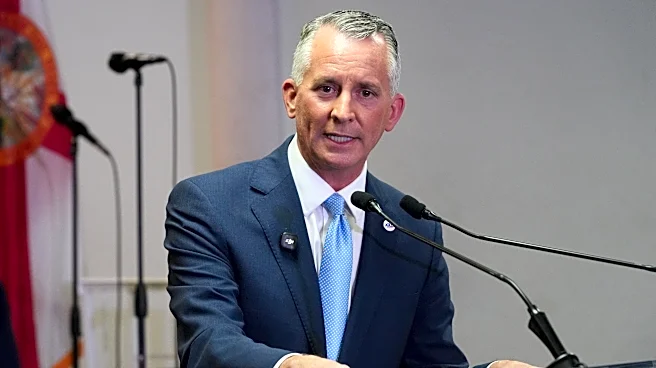
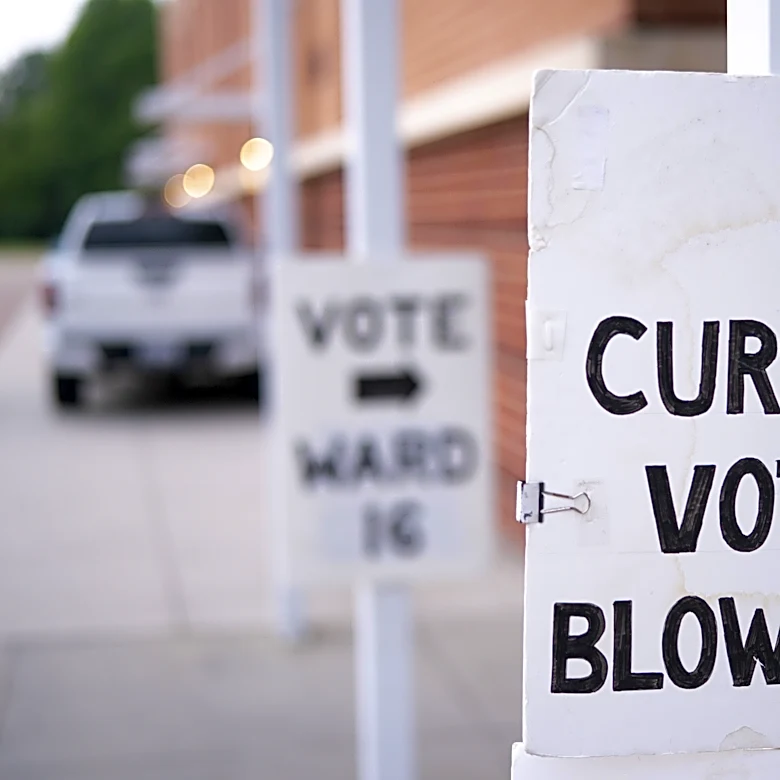
A technical glitch at polling stations in Broward County, Florida, caused significant delays, leading an unknown number of voters to leave without casting their ballots. The incident was addressed by Broward County Supervisor of Elections Joe Scott, who
held a news conference to discuss the issue. The specific nature of the tech glitch was not detailed, but its impact was substantial enough to disrupt the voting process and deter an unquantified portion of the electorate from participating in the election.
Why It's Important?
This event is important for U.S. politics and election integrity. Any technical malfunction that prevents citizens from voting can undermine public confidence in the electoral process and potentially affect election outcomes. The fact that an 'unknown number' of voters left suggests that the full impact on voter turnout and representation cannot be accurately assessed. This incident highlights the critical need for robust and reliable election technology, as well as contingency plans to address technical failures promptly. It also underscores the ongoing debate about voting access and the potential for technological issues to disenfranchise voters, particularly in densely populated areas like Broward County.
What's Next?
Following the incident, there will likely be investigations into the cause of the tech glitch and reviews of election procedures in Broward County. Election officials may face pressure to implement more rigorous testing of voting equipment and to develop clearer protocols for managing technical disruptions on election day. This event could also fuel calls for increased funding for election infrastructure and cybersecurity measures to prevent similar occurrences in future elections. Public trust in the electoral system will depend on the transparency of these investigations and the effectiveness of corrective actions taken.
Beyond the Headlines
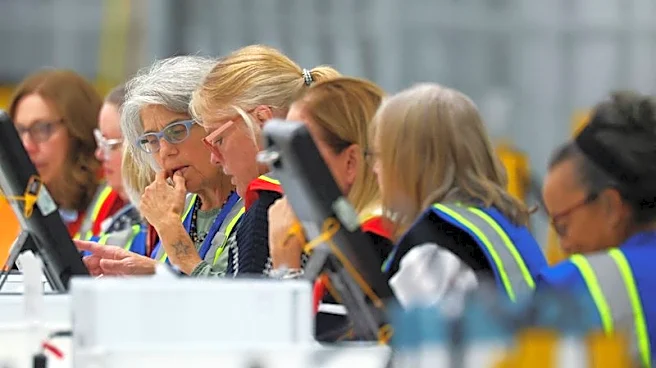
The incident in Broward County touches upon broader themes of democratic participation and the challenges of modernizing election systems. It raises questions about the digital divide and equitable access to voting, as technical issues can disproportionately affect certain demographics. Furthermore, it contributes to the ongoing national conversation about election security and the vulnerability of voting systems to both accidental failures and potential malicious interference. The 'unknown number' of voters who left also highlights a systemic issue: the difficulty in quantifying the true cost of voting barriers, which extends beyond mere inconvenience to potential shifts in political representation and the erosion of civic engagement.