










What's Happening?
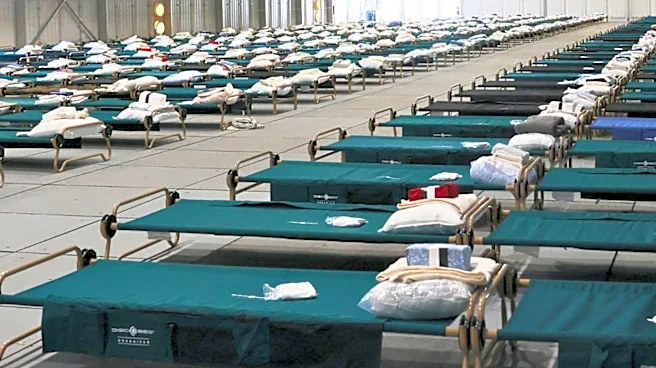
Airbnb has announced a significant expansion of its nonprofit arm, Airbnb.org, committing $500 million over the next five years to provide free short-term housing. This initiative aims to support individuals and families displaced by disasters, those
traveling for medical care, and survivors of domestic violence and exploitation. The announcement was made during Airbnb.org's inaugural gala in Los Angeles, which saw attendance from various celebrities. Airbnb.org, launched in 2020, connects people in crisis with a network of over 60,000 hosts offering temporary housing. The company also stated that a portion of revenue from every stay on Airbnb.com will now be donated to Airbnb.org, without increasing costs for guests or reducing host earnings. This expansion comes as Airbnb faces ongoing criticism from affordable housing advocates and legal challenges, including a lawsuit in Los Angeles alleging price gouging during wildfires.
Why It's Important?
This expanded commitment from Airbnb.org could significantly impact communities affected by crises across the U.S. By providing free temporary housing, the initiative addresses an immediate and critical need for vulnerable populations, including those displaced by natural disasters like wildfires, individuals seeking essential medical treatment away from home, and survivors of domestic violence. The $500 million pledge over five years represents a substantial investment in social welfare, potentially alleviating some of the strain on public services and charitable organizations. However, the move also highlights the ongoing tension between Airbnb's philanthropic efforts and its core business model, which critics argue contributes to housing affordability issues in cities like New York City and San Francisco by converting long-term rentals into short-term accommodations. The company's ability to balance its social impact initiatives with its broader market effects remains a key point of public and regulatory scrutiny.
What's Next?
In the immediate future, Airbnb.org will begin implementing its expanded services, focusing on connecting more individuals and families in need with free temporary housing. The company's new revenue-sharing model, where a portion of every Airbnb stay contributes to the nonprofit, will also take effect, aiming to create a sustainable funding stream for its initiatives. Stakeholders, including affordable housing advocates and city regulators, will likely continue to monitor the net impact of Airbnb's operations, weighing the benefits of its philanthropic efforts against concerns regarding housing supply and affordability. The ongoing Los Angeles lawsuit concerning alleged price gouging during wildfires will also proceed, potentially influencing public perception and regulatory approaches to short-term rental platforms during emergencies. Airbnb's response to these legal and ethical challenges will be crucial in shaping its future public image and operational landscape.
Beyond the Headlines
Beyond the immediate provision of housing, Airbnb.org's expansion raises broader questions about corporate social responsibility and the role of large tech companies in addressing societal challenges. While the initiative offers tangible relief to those in crisis, it also serves as a strategic move for Airbnb to enhance its public image and potentially mitigate some of the negative perceptions associated with its impact on housing markets. The company's ability to leverage its extensive network of hosts for philanthropic purposes demonstrates a unique model of corporate giving, but it also underscores the complex interplay between profit-driven enterprises and social welfare. This development could prompt further discussions among policymakers and urban planners about how to regulate short-term rental platforms to maximize their benefits while minimizing their potential negative externalities on housing affordability and community stability. The long-term success of Airbnb.org will depend not only on its financial commitments but also on its ability to navigate these intricate social and economic dynamics.