


What's Happening?
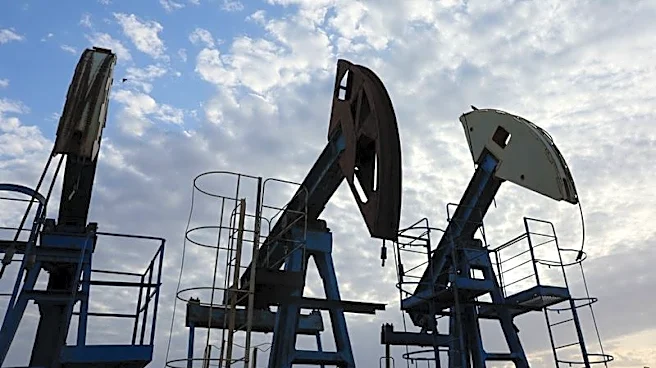
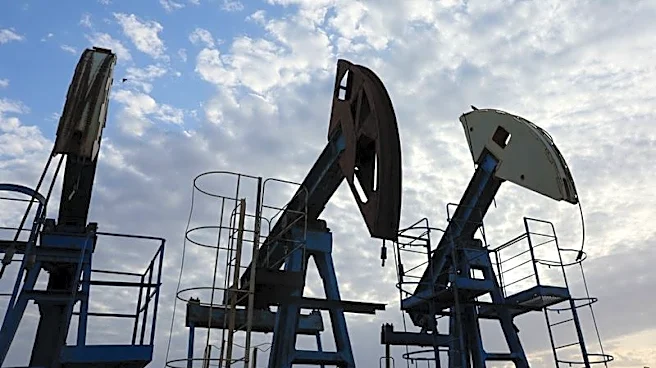
Crude oil prices rose sharply after Iran released a draft plan imposing restrictive conditions on ship traffic through the Strait of Hormuz. Brent crude increased by 3.8% to $82.49 per barrel, while U.S. West Texas Intermediate rose by 2.8% to $77.29.
The draft plan, published by Iranian state news, suggests banning U.S. and Israeli ships and requiring compensation from nations that have harmed Iran. The plan is under review by an Iranian parliamentary committee, and discussions with Oman are ongoing to define transit routes.
Why It's Important?
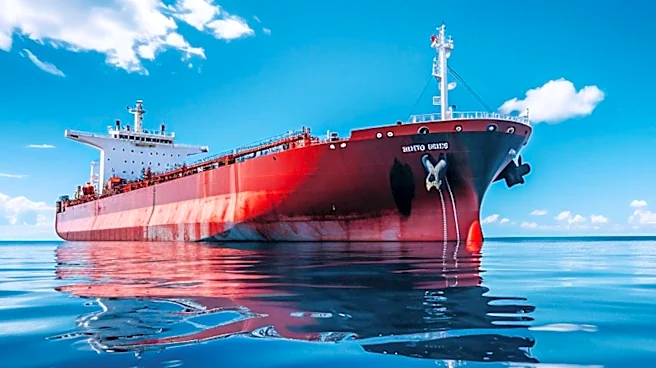
The Strait of Hormuz is a critical chokepoint for global oil shipments, with about a fifth of the world's oil passing through it. Iran's proposed restrictions could disrupt global oil supply, leading to increased prices and economic uncertainty. The situation highlights geopolitical tensions in the region and the potential for conflict affecting international trade. The oil market's reaction underscores the sensitivity of energy prices to political developments in the Middle East.
What's Next?
The international community will closely monitor Iran's actions and any potential agreements with Oman. The U.S. and its allies may respond diplomatically or militarily to ensure the free flow of oil through the strait. The situation could lead to further volatility in oil markets, impacting global economies and energy policies. Stakeholders will watch for any official announcements or changes to the draft plan that could alter the current dynamics.