







What's Happening?
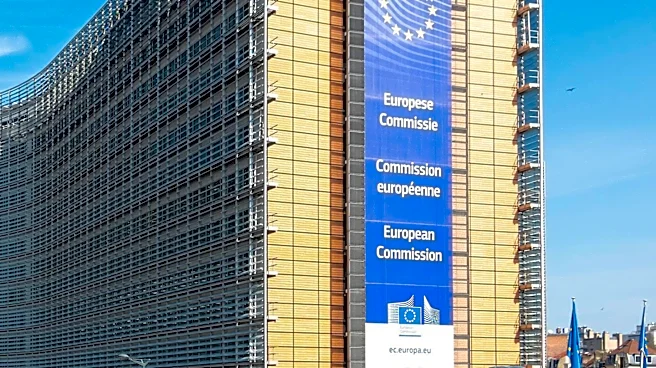
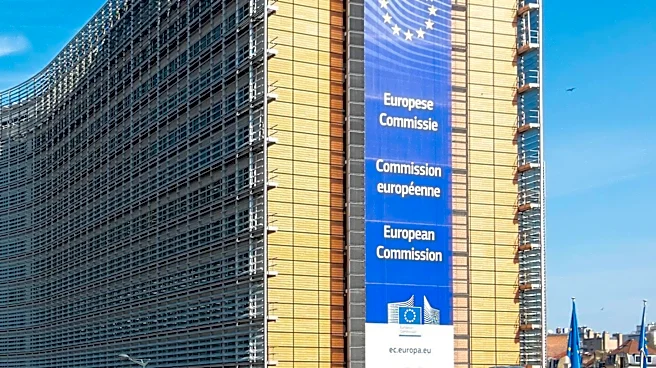
The European Commission is significantly bolstering its efforts to monitor and enforce sanctions, as announced by Commissioner Maria Luís Albuquerque on November 5, 2026. A new Commission office will be created to oversee EU sanctions throughout their
economic lifecycle, with a particular focus on sanctions against third countries, especially Russia. This office will handle policy design, outreach, implementation, and the detection of circumvention. Concurrently, a separate crypto-sanctions task force is being formed. This task force will combine expertise from the Commission and Member States to improve the design of sanctions targeting the crypto-asset market. The initiative aims to enhance information sharing, provide faster guidance to Member States, and standardize sanctions implementation and enforcement across the EU. The Commission's objective is to move beyond merely adopting sanctions to strengthening their practical application and combating circumvention effectively.
Why It's Important?
This move by the European Commission signals a more aggressive and coordinated approach to sanctions enforcement, which could have significant implications for global financial markets and entities operating within or with ties to the EU. For businesses, particularly those involved in international trade and cryptocurrency, this means increased scrutiny and a higher risk of enforcement actions. The focus on crypto-assets highlights a growing concern among regulators about their potential use in sanctions evasion, suggesting that firms dealing with digital currencies will face stricter compliance requirements. The harmonization of sanctions implementation across Member States could reduce loopholes and create a more unified front, making it harder for sanctioned entities to operate. This enhanced enforcement could also set a precedent for other international bodies, potentially leading to a global tightening of sanctions regimes and increased pressure on countries and entities that are currently subject to sanctions.
What's Next?
The newly established sanctions office and crypto-sanctions task force are expected to lead to more high-profile enforcement cases in the coming years. Businesses, especially those in the cryptocurrency sector, should anticipate new guidance, listings, and enforcement actions that could clarify specific transaction patterns, ownership structures, or service providers that will be prioritized. The Commission aims to improve information sharing and provide faster guidance, which could result in more frequent updates to compliance requirements. Firms are advised to stay ahead of EU and global sanctions developments by monitoring regulatory changes, designations, enforcement actions, and guidance. The initiative is part of a broader push by the EU to strengthen its sanctions framework, indicating that further legislative packages and measures to combat circumvention are likely.
Beyond the Headlines
The creation of these new enforcement bodies reflects a deeper shift in how international sanctions are perceived and managed. It underscores the increasing recognition of cryptocurrency as a potential tool for illicit financial activities and the need for sophisticated mechanisms to track and prevent such use. This development could accelerate the integration of blockchain analytics and other advanced technologies into regulatory compliance frameworks. Furthermore, it highlights the ongoing geopolitical tensions that drive the need for robust sanctions, particularly concerning Russia. The EU's emphasis on practical implementation and circumvention detection suggests a move towards a more proactive and intelligence-led approach to sanctions, potentially influencing how other major economic blocs approach their own enforcement strategies. This could lead to a more interconnected global regulatory environment where financial institutions face heightened expectations for due diligence and transparency.