




What's Happening?
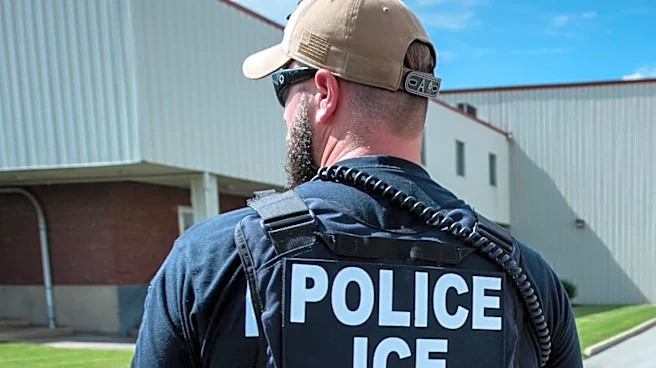
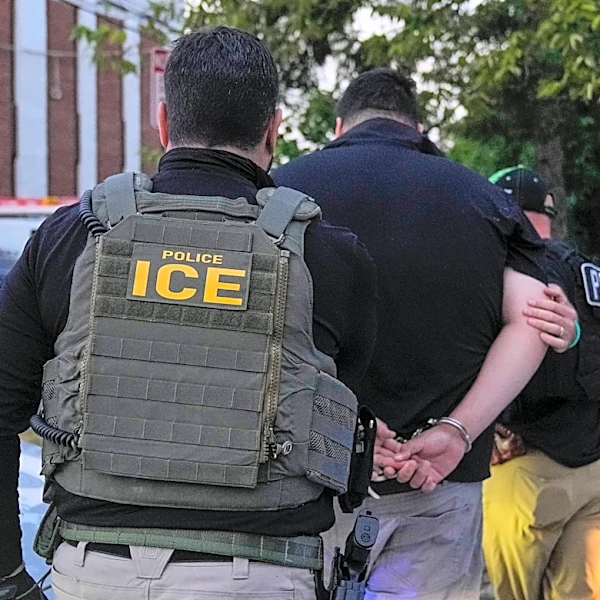
Fatima Ameaka, a public health researcher at Johns Hopkins University, was detained by U.S. Immigration and Customs Enforcement (ICE) officers at Baltimore-Washington International Thurgood Marshall Airport while preparing to board a domestic flight.
Ameaka, a Cameroonian national, entered the U.S. in June 2023 with authorization to stay until June 2024. However, ICE accused her of overstaying her visa. Despite this, documents indicate she has a pending asylum case and a work authorization permit valid through 2029. Ameaka, who holds a Master of Public Health degree and a Doctor of Pharmacy degree, focuses her research on improving public health responses to infectious disease outbreaks. Her detention, which involved a transfer to a facility in Louisiana, has sparked concern among her colleagues and the university, which is working to ensure she receives legal representation.
Why It's Important?
Ameaka's case highlights the complexities and challenges within the U.S. immigration system, particularly for individuals with pending asylum applications. The incident underscores the increased enforcement actions at American airports, where individuals accused of civil immigration violations, such as visa overstays, are being targeted. This situation raises concerns about the potential for increased fear and uncertainty among immigrant communities, especially those from African and Caribbean nations. The case also draws attention to the broader implications of immigration enforcement policies and their impact on individuals who contribute significantly to fields like public health.
What's Next?
The conditions of Ameaka's release and whether the federal government will continue to pursue removal proceedings remain unclear. Her case may prompt further scrutiny of ICE's enforcement practices, particularly regarding individuals with pending legal status applications. The situation could lead to increased advocacy for policy changes to protect individuals with valid asylum claims and work permits from detention. Additionally, the case may influence discussions on the balance between immigration enforcement and the rights of noncitizens within the U.S.
Beyond the Headlines
Ameaka's detention while boarding a domestic flight raises questions about the collaboration between ICE and the Transportation Security Administration (TSA). A 2025 information-sharing agreement allows TSA to provide ICE with information about noncitizen travelers, which may lead to increased targeting of individuals for civil immigration violations. This practice could have broader implications for civil liberties and the privacy of travelers, as well as the potential for racial profiling and discrimination against Black immigrant communities.