






What's Happening?
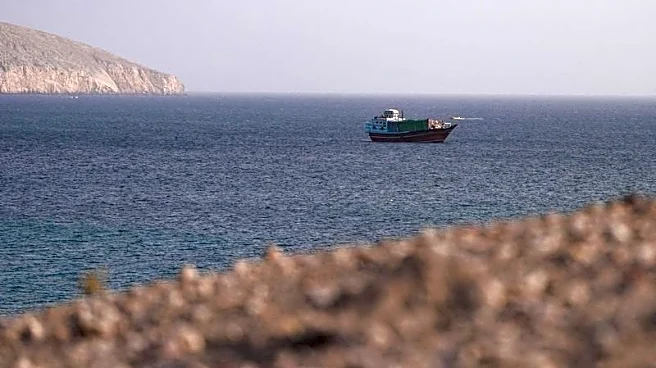
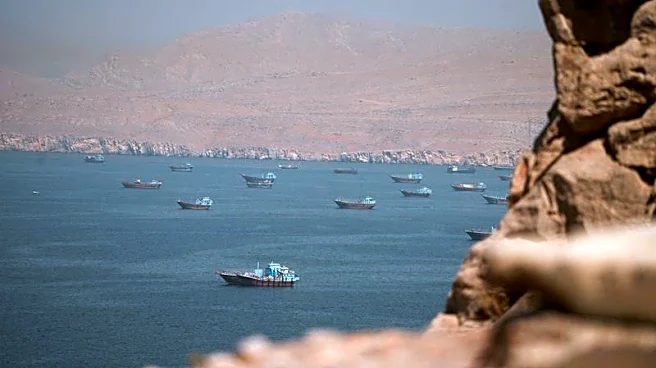
European wholesale natural gas prices have surged to their highest levels in nearly four months due to escalating military tensions between the United States and Iran. The conflict has raised fears of a potential closure of the Strait of Hormuz, a critical
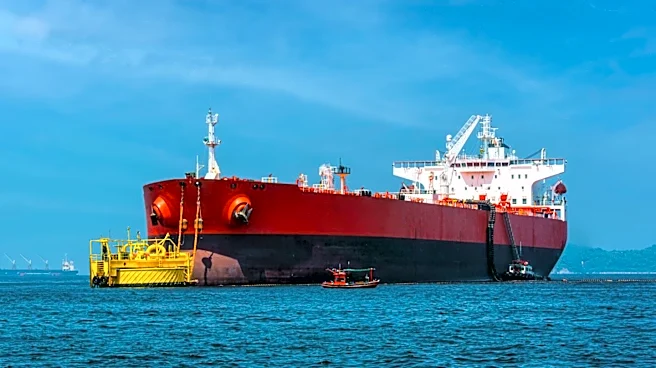
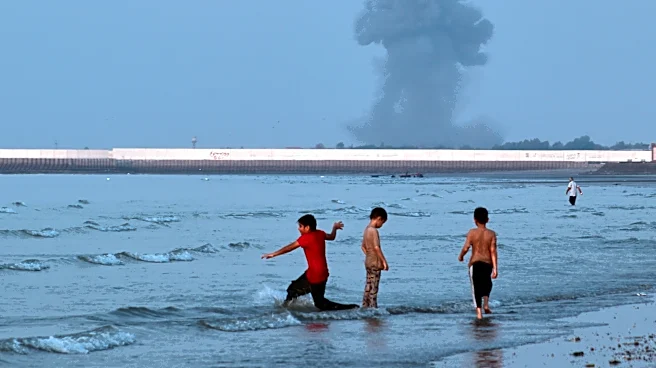
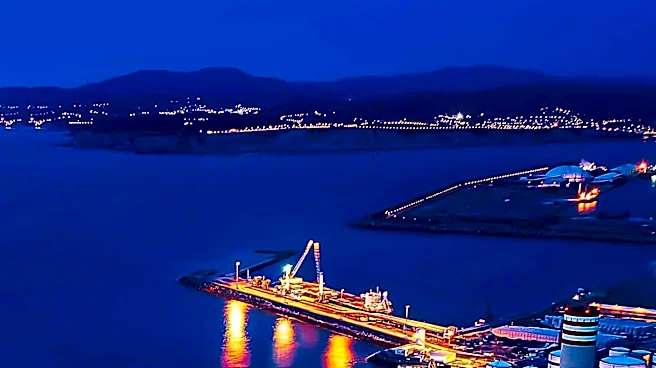
chokepoint for global liquefied natural gas (LNG) flows. The Dutch TTF gas contract, a European benchmark, rose to 55.65 euros per megawatt-hour, while the British equivalent increased to 134.26 pence per therm. The situation has been exacerbated by recent U.S. air strikes on Iranian coastal defense targets, prompting Tehran to warn of disruptions to regional energy corridors. Major Middle Eastern exporters, including Qatar, have begun altering LNG vessel movements near the Strait due to heightened threats, affecting roughly a fifth of the world's LNG supply.
Why It's Important?
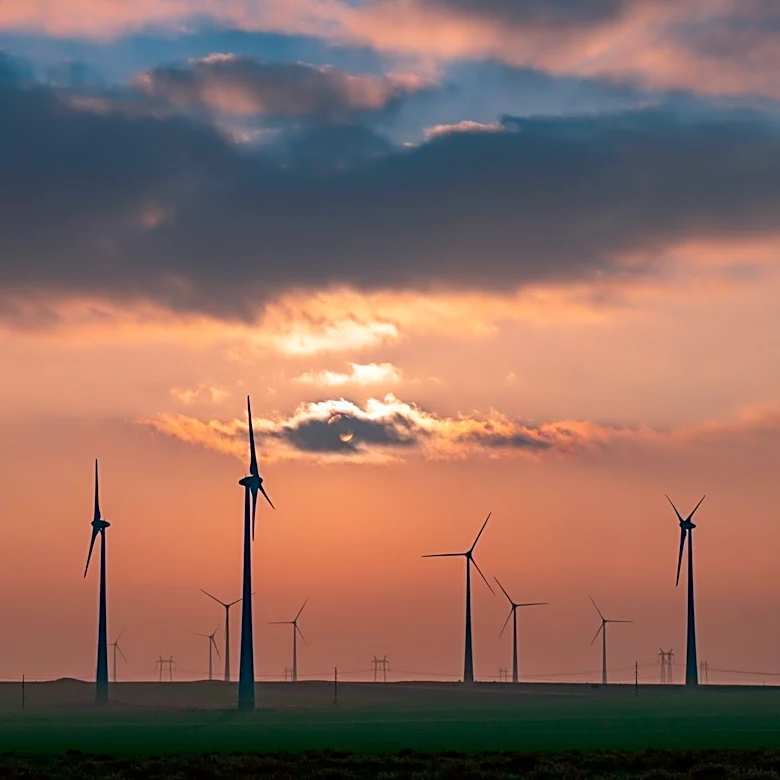
The potential closure of the Strait of Hormuz poses a significant threat to global energy markets, particularly for Europe, which relies heavily on LNG imports to compensate for reduced Russian pipeline volumes. A prolonged disruption could lead to a fierce bidding war for LNG between European utilities and buyers in Northeast Asia, driving up prices and straining energy supplies. This situation is further complicated by low wind speeds and high temperatures in Northwestern Europe, which have increased demand for gas-fired power generation. The geopolitical tensions underscore the vulnerability of global energy supply chains and the potential for significant economic impacts if the situation escalates.
What's Next?
If the military standoff continues, European countries may need to seek alternative energy sources or increase storage capacities to mitigate potential shortages. The situation could also prompt diplomatic efforts to de-escalate tensions and ensure the free flow of energy through the Strait of Hormuz. Energy markets will likely remain volatile, with stakeholders closely monitoring developments in the region. The outcome of this conflict could have long-term implications for global energy security and the strategic importance of the Strait of Hormuz.
Beyond the Headlines
The current crisis highlights the geopolitical risks associated with energy dependence on volatile regions. It may accelerate efforts in Europe to diversify energy sources and invest in renewable energy to reduce reliance on imported LNG. Additionally, the situation underscores the need for international cooperation to ensure the security of critical energy corridors and prevent disruptions that could have widespread economic consequences.