




What's Happening?
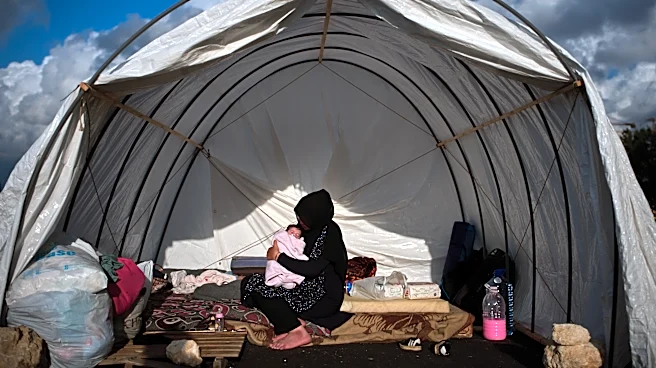
The food crisis in Sudan is escalating, with famine conditions confirmed in al-Fashir and Kadugli as of November 2025. Acute malnutrition rates have surpassed famine thresholds in Um Baru and Kernoi, according to a report by non-governmental organizations.
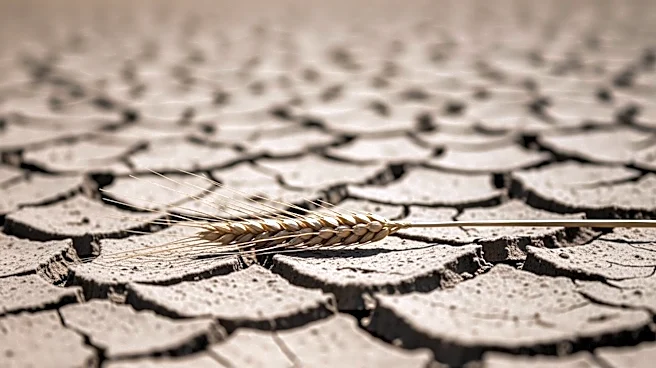
The ongoing war between the Sudanese army and the paramilitary Rapid Support Forces has severely disrupted farming activities, leading to widespread hunger. Millions of people are surviving on just one meal a day, with some resorting to eating leaves and animal feed. The Sudanese government denies the existence of famine, while the RSF denies responsibility for the conditions in areas under its control. The United Nations has reported widespread atrocities and ethnically charged violence, further exacerbating the humanitarian crisis.
Why It's Important?
The deepening food crisis in Sudan highlights the severe humanitarian impact of prolonged conflict. With 61.7% of the population, approximately 28.9 million people, acutely food-insecure, the situation poses a significant challenge to international aid efforts. The use of starvation as a weapon of war and the deliberate destruction of farms and markets are contributing to the crisis. Major donor funding cuts are also impeding the ability of aid agencies to respond effectively. The crisis threatens to spread, potentially destabilizing the region further and increasing the burden on international humanitarian resources.
What's Next?
The international community may need to increase pressure on the Sudanese government and the RSF to allow humanitarian access and address the root causes of the conflict. Aid agencies will likely continue to advocate for increased funding and support to meet the rising needs. The situation may prompt further discussions at international forums about the use of starvation as a weapon of war and the need for stronger international mechanisms to prevent such practices.