
What's Happening?
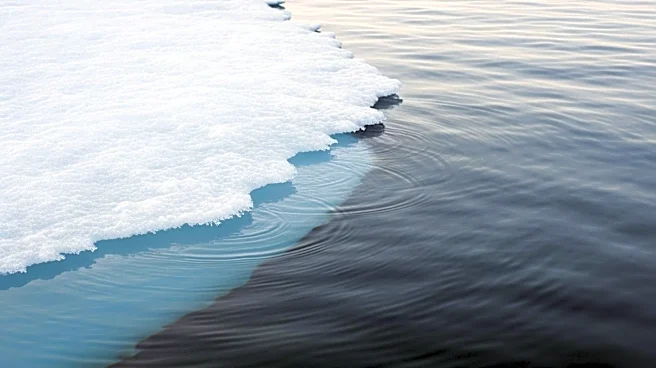
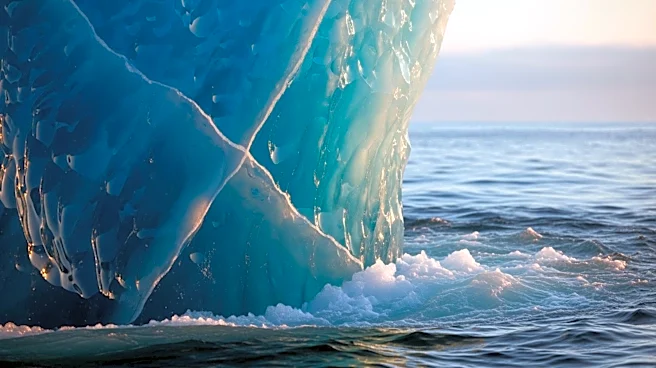
A new study reveals that Antarctica is experiencing melting from below due to rising ocean temperatures, posing a threat to its ice shelves. This phenomenon is attributed to the movement of a warm, salty
water mass known as the circumpolar deep water (CDR), which has expanded and moved towards the Antarctic continental shelf over the past two decades. The study, conducted by researchers from the University of Cambridge and the University of California, highlights that this undersea heat source could destabilize the ice shelves, which act as barriers holding back inland ice sheets and glaciers. The melting of these ice shelves could lead to significant sea level rise and other catastrophic climate effects globally. The research utilized data from both ship transmissions and the Argo, a network of floating probes, to provide a comprehensive view of the changes in heat distribution over the last 40 years.
Why It's Important?
The findings of this study have significant implications for global climate systems. The melting of Antarctic ice shelves could contribute to a rise in sea levels, potentially affecting coastal communities worldwide. Additionally, the changes in ocean heat distribution could impact key ocean currents, such as the Atlantic Meridional Overturning Circulation (AMOC), which plays a crucial role in regulating global climate by circulating warm water from the tropics to the Northern Hemisphere. A slowdown or collapse of the AMOC could lead to severe climate disruptions, including rising sea levels in North America and droughts in Europe, affecting ecosystems and global food production. The study underscores the importance of understanding and mitigating the impacts of climate change on oceanic and atmospheric systems.
What's Next?
Future research is needed to further understand the causes of the CDR's movement towards Antarctica and its broader implications. Scientists suggest that both natural and human-induced climate change could be contributing factors. Monitoring and modeling efforts will be crucial in predicting the potential impacts on global climate systems and developing strategies to mitigate these effects. Policymakers and environmental organizations may need to consider these findings in their climate action plans to address the risks associated with rising sea levels and disrupted ocean currents.
Beyond the Headlines
The study highlights the interconnectedness of global climate systems and the potential for cascading effects resulting from changes in one region. The Southern Ocean's role in regulating global heat and carbon storage means that shifts in its heat distribution could have far-reaching consequences. This research emphasizes the need for international collaboration in climate science and policy to address the complex challenges posed by climate change. It also raises ethical considerations regarding the responsibility of nations to reduce greenhouse gas emissions and protect vulnerable ecosystems.