



What's Happening?
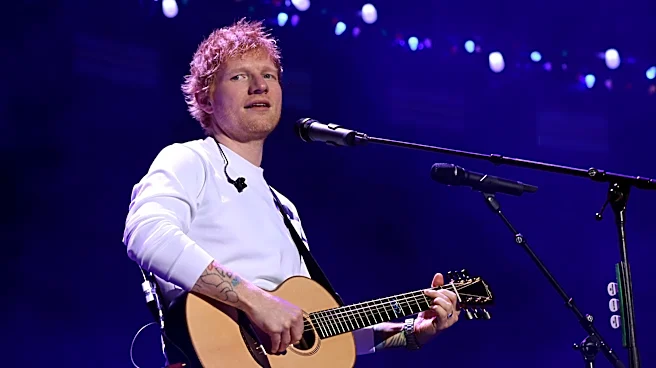
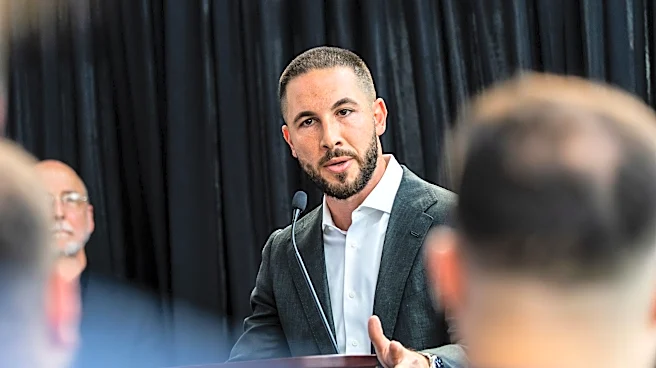
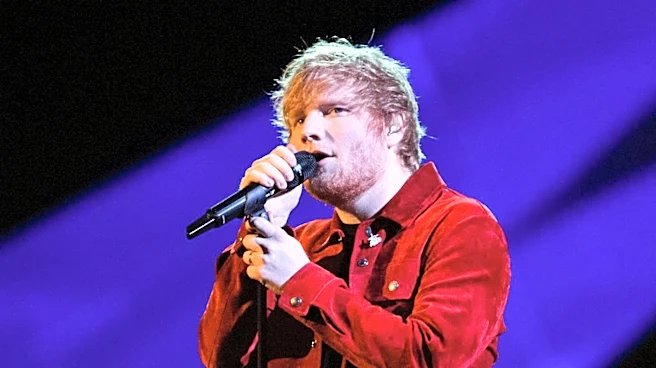
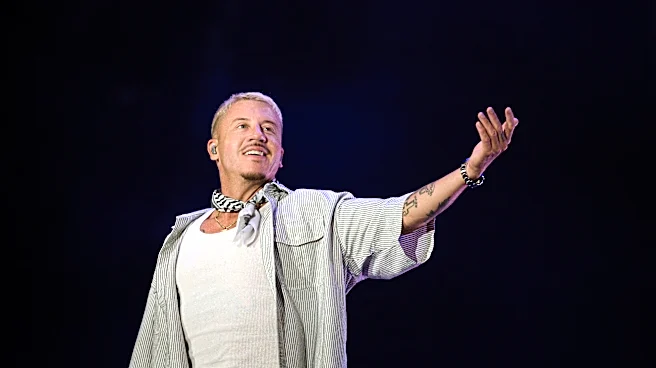
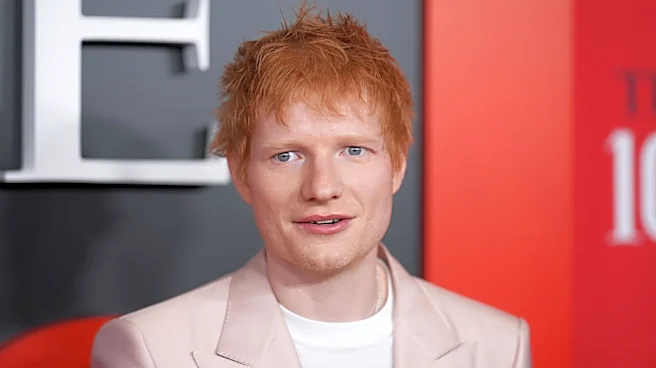
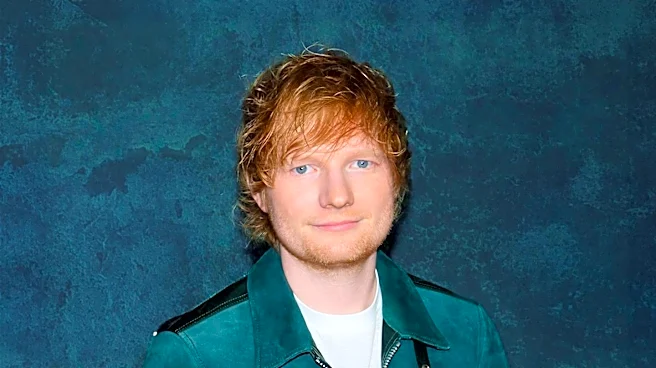
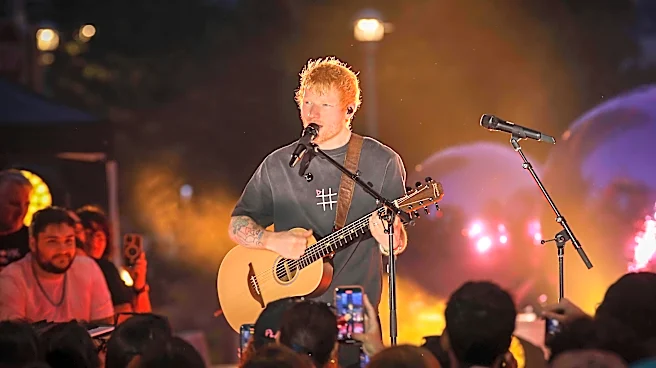
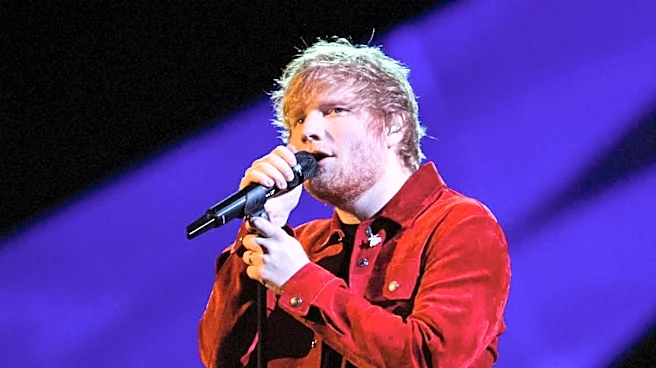
Robert Kraft, owner of the New England Patriots and CEO of the Kraft Group, which owns Gillette Stadium, has confirmed that he pressured pop star Ed Sheeran to remove rapper Macklemore from his American tour. Kraft stated that allowing Macklemore to perform
at Gillette Stadium would 'cross a line' due to the rapper's recent performances and a 'broader history of antisemitic rhetoric and imagery.' This decision followed Macklemore's speech at a previous Sheeran show in New Jersey, where he expressed support for Palestine, stating, 'I say free Palestine. I say free Lebanon. Free Cuba to the Congo to Sudan to Iran.' Macklemore also performed his song 'Hind’s Hall,' dedicated to a five-year-old girl killed in Gaza. Ed Sheeran later clarified that the decision to remove Macklemore was made by the venues and promoters, not by him, citing that venues on his upcoming tour dates communicated they would pull shows if Macklemore remained on the tour.
Why It's Important?
This incident highlights the increasing tension and polarization surrounding the Israeli-Palestinian conflict within the entertainment industry and public discourse in the U.S. Robert Kraft, a prominent Jewish American billionaire known for his significant donations to Jewish and Israeli causes, including the 'Stand Up to Jewish Hate' campaign, views Macklemore's statements and performances as antisemitic. This situation underscores the challenges artists face when expressing political views, particularly on sensitive international conflicts, and the potential for such expressions to lead to professional repercussions. The involvement of venue owners and promoters in such decisions also raises questions about artistic freedom versus commercial interests and public pressure. The controversy reflects a broader societal debate on what constitutes antisemitism and the acceptable boundaries of political advocacy in public forums.
What's Next?
While Macklemore has been removed from Ed Sheeran's tour, the broader implications of this event are likely to continue. Robert Kraft has expressed willingness to meet with Macklemore to discuss the issue in person, though it is unclear if such a meeting will occur or what its outcome might be. The incident could lead to further scrutiny of artists' political stances and potentially influence future booking decisions by venues and promoters, especially concerning the Israeli-Palestinian conflict. This event may also fuel ongoing discussions about censorship, artistic expression, and the role of public figures in political activism. The differing perspectives from Kraft, Sheeran, and Macklemore suggest a complex and unresolved debate that will likely continue to unfold in the public sphere.
Beyond the Headlines
This controversy extends beyond a single tour cancellation, touching upon deeper issues of free speech, corporate influence, and the weaponization of accusations of antisemitism. The incident draws parallels to other instances where artists or public figures have faced backlash for their views on the Israeli-Palestinian conflict, raising questions about double standards in the entertainment industry. For example, the source notes that Raymond James Stadium, which reportedly supported Kraft's appeal to ban Macklemore, previously hosted Kanye West despite his widely criticized antisemitic comments, citing free speech and contractual obligations. This disparity suggests a selective application of principles, potentially influenced by the political and financial power of stakeholders like Robert Kraft. The event also underscores the significant financial and reputational risks artists and venues face when navigating highly charged political topics, potentially leading to self-censorship or increased caution in expressing views that might be deemed controversial by powerful figures.