






What's Happening?
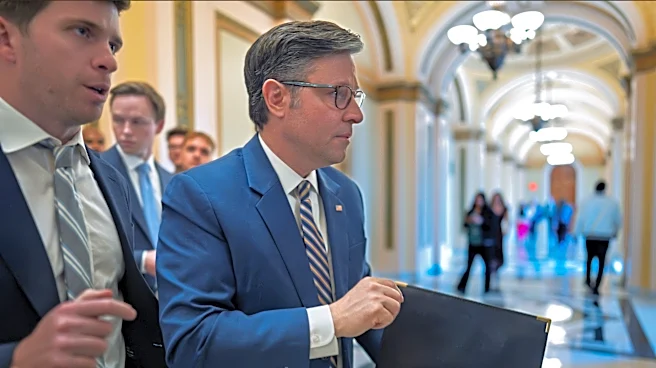
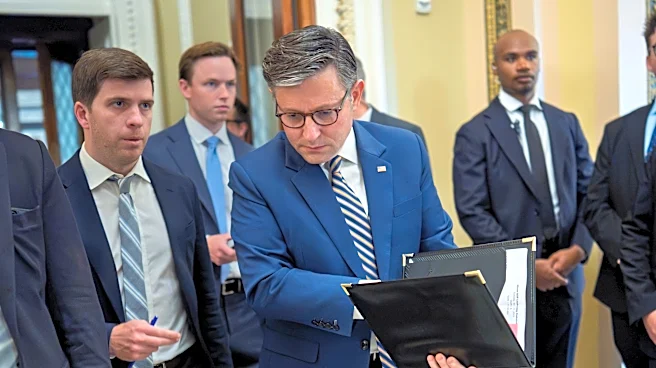
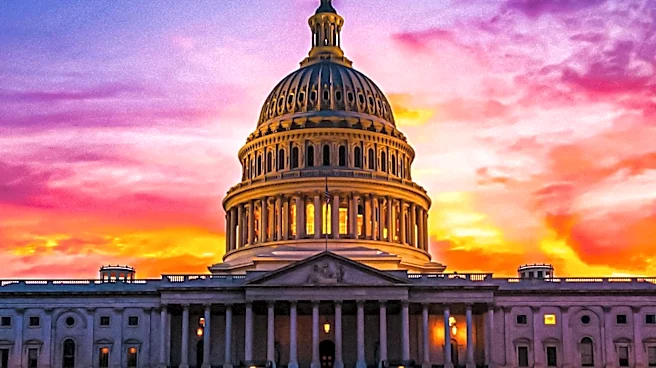
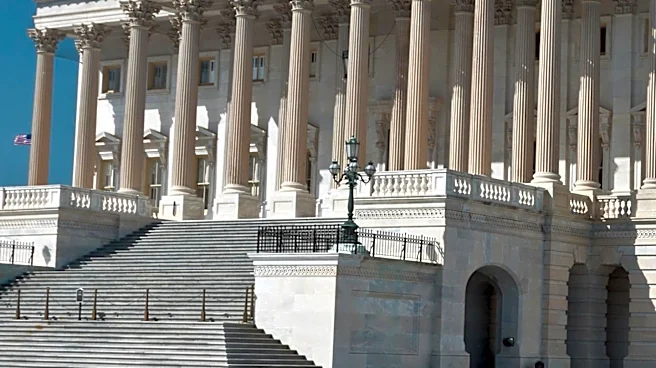
The U.S. House of Representatives has passed a resolution to withdraw American forces from hostilities with Iran, marking a significant expression of congressional discontent with the ongoing conflict. The resolution, which passed by a narrow margin of 214
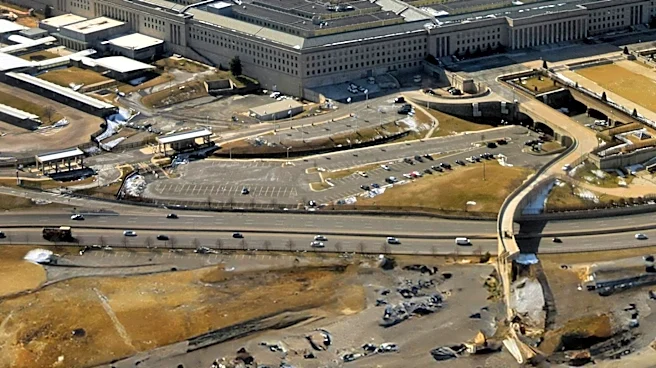
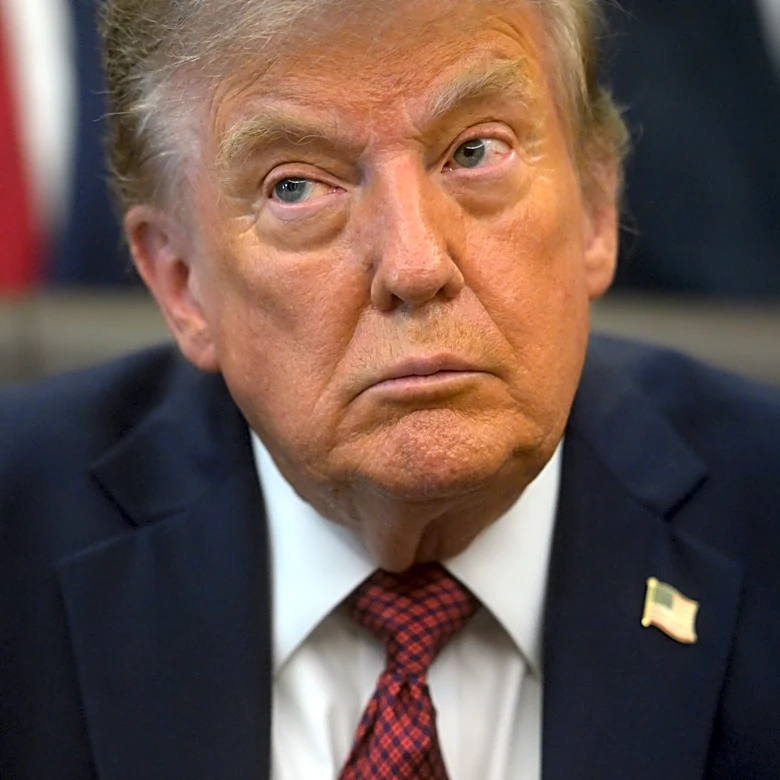
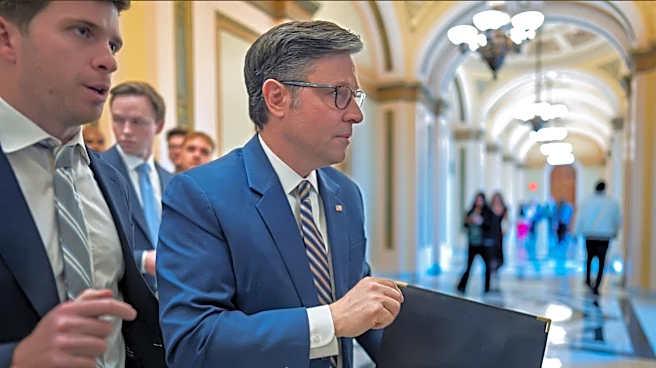
to 208, is not legally binding but serves as a symbolic rebuke to President Trump, who has been criticized for engaging in a war that Congress did not authorize. This marks the second time the House has passed such a resolution. The conflict has seen an escalation in hostilities, with 18 U.S. troops killed since February and nearly 500 injuries reported, according to the Pentagon. The resolution was spearheaded by Rep. Pramila Jayapal, D-Wash., who criticized the war as lacking a clear mission or strategy. Four Republicans joined Democrats in supporting the measure, while others defended the war as a necessary response to Iranian aggression.
Why It's Important?
The House's decision underscores a growing divide between Congress and the executive branch over military engagements, particularly those not explicitly authorized by lawmakers. This resolution reflects broader concerns about the executive's unilateral military actions and the need for legislative oversight. The conflict with Iran has significant implications for U.S. foreign policy and military strategy, as well as for the lives of American service members. The resolution also highlights the political tensions surrounding President Trump's foreign policy decisions, with critics accusing him of failing to fulfill his campaign promise to end 'forever wars.' The outcome of this vote could influence future congressional actions regarding military engagements and the balance of power between Congress and the presidency.
What's Next?
Following the House vote, Senate Democrats attempted to advance a similar war powers resolution, but it failed to pass. The ongoing debate in Congress suggests that further legislative efforts may be pursued to assert congressional authority over military actions. The resolution's passage may prompt discussions within the administration and among military leaders about the future of U.S. involvement in Iran. Additionally, the resolution could influence public opinion and shape the political landscape as lawmakers and presidential candidates address foreign policy issues in upcoming elections.