







What's Happening?
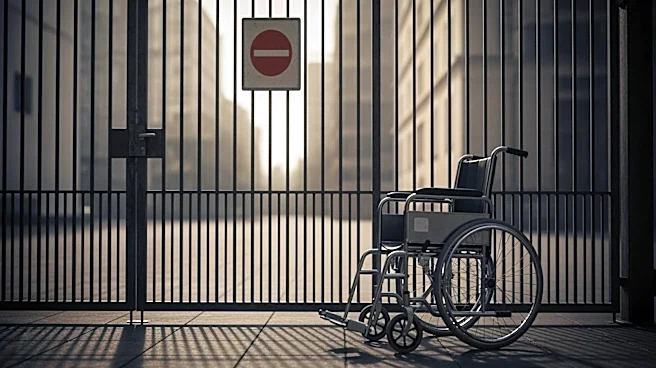
Under President Javier Milei's administration, Argentina is experiencing significant austerity measures that threaten essential services for disabled individuals. The government has frozen payments to organizations providing therapeutic and educational
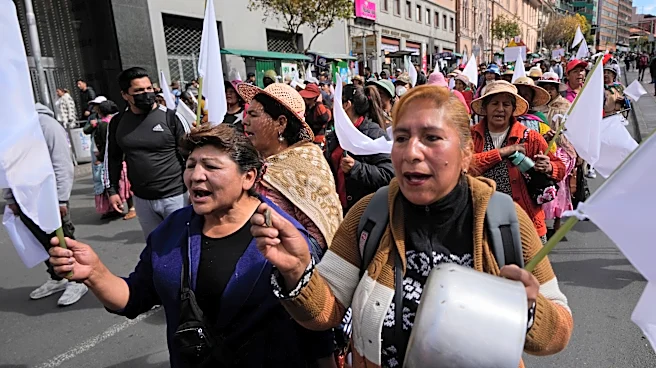
services, impacting approximately 5 million Argentines with disabilities. This has led to the closure of several centers and a reduction in services, leaving many without access to necessary support. The austerity measures are part of a broader reform agenda aimed at reducing government spending, but they have sparked significant backlash from disability rights advocates and affected families.
Why It's Important?
The austerity measures in Argentina highlight the delicate balance between fiscal responsibility and social welfare. The cuts to disability services have profound implications for the affected individuals and their families, who rely on these programs for daily support and development. The situation underscores the broader challenges faced by governments in managing budget constraints while ensuring the well-being of vulnerable populations. The international community is watching closely, as similar austerity measures could be considered in other countries facing economic pressures. The outcome of this situation could influence global discussions on social policy and economic reform.
What's Next?
The Argentine government faces mounting pressure to address the fallout from its austerity measures. Disability rights groups are advocating for the implementation of an emergency law that would restore funding and support for affected services. Legal battles are ongoing, with a federal judge recently ordering the government to resume payments to service providers. The administration's response to these challenges will be critical in determining the future of disability services in Argentina. Additionally, the government's handling of this issue could impact its political standing and influence future policy decisions.