



What's Happening?
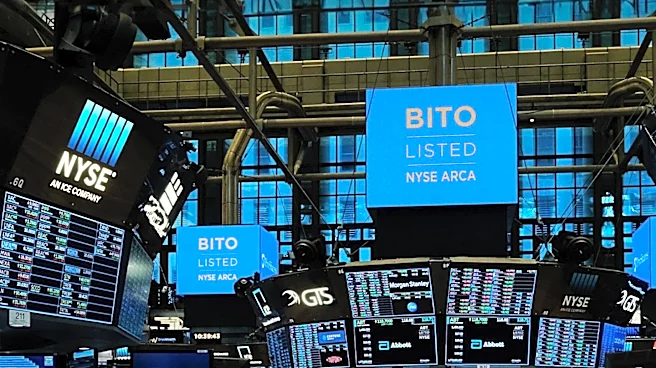
Martin Luther King Jr. Day in 2027 will be observed on Monday, January 18. This federal holiday results in the closure of various federal services, including post offices, Federal Reserve Banks, and the New York Stock Exchange. State governments across
all 50 states also recognize the day, leading to closures of DMVs and most public schools and universities. The holiday, which falls on the third Monday of January, provides a three-day weekend from Saturday, January 16, to Monday, January 18. National parks, however, will remain open, and most stores and restaurants are expected to maintain normal operating hours.
Why It's Important?
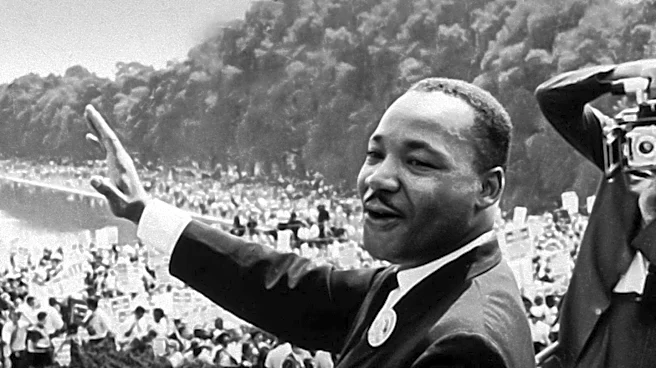
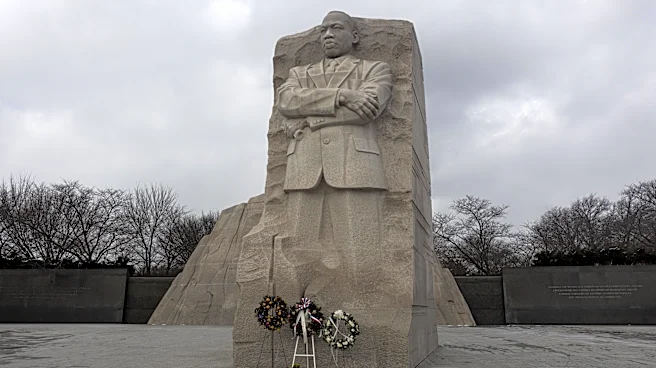
Martin Luther King Jr. Day is a significant federal holiday in the U.S., commemorating the life and legacy of Dr. Martin Luther King Jr. Its observance on January 18, 2027, highlights the nation's commitment to civil rights and equality. The closure of federal and state government offices, financial institutions, and educational facilities impacts daily routines and economic activities, emphasizing the holiday's importance. Furthermore, the designation of the holiday as a national day of service encourages volunteerism and community engagement, fostering a spirit of civic responsibility and remembrance of Dr. King's ideals. This annual observance serves as a reminder of the ongoing pursuit of justice and social change.
What's Next?
As Martin Luther King Jr. Day approaches on January 18, 2027, individuals and organizations will prepare for the closures of federal and state services. Financial markets, including the New York Stock Exchange, will be closed, impacting trading schedules. Educational institutions will cancel classes, and government offices will be non-operational. Many communities will organize volunteer projects and commemorative events, aligning with the holiday's designation as a national day of service. These activities will aim to honor Dr. King's contributions and promote his message of peace and equality, encouraging public participation in service and reflection.
Beyond the Headlines
Beyond the immediate closures and observances, Martin Luther King Jr. Day serves as a crucial annual opportunity for national reflection on civil rights progress and challenges. The holiday's history, signed into law by President Reagan in 1983 and first observed in 1986, underscores a bipartisan recognition of Dr. King's impact. The fact that some states pair the day with other historical figures, such as Robert E. Lee, highlights ongoing debates and varying interpretations of historical memory within the U.S. This complexity underscores the holiday's role not just as a day off, but as a focal point for discussions about national identity, historical reconciliation, and the future of civil rights.