







What's Happening?
A powerful El Niño is currently developing, characterized by abnormally warm Pacific waters that influence global weather patterns. This phenomenon is expected to cause significant shifts in rainfall and temperature, leading to wetter conditions in some
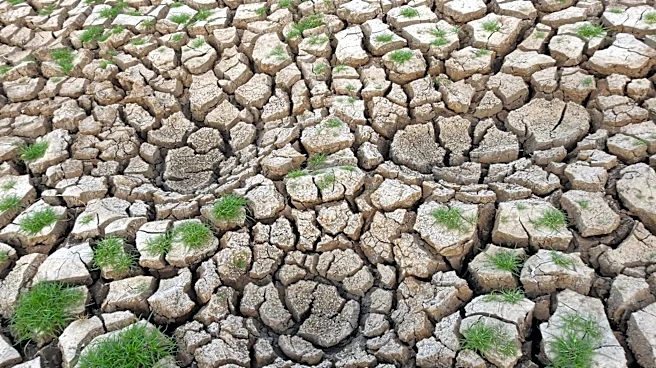
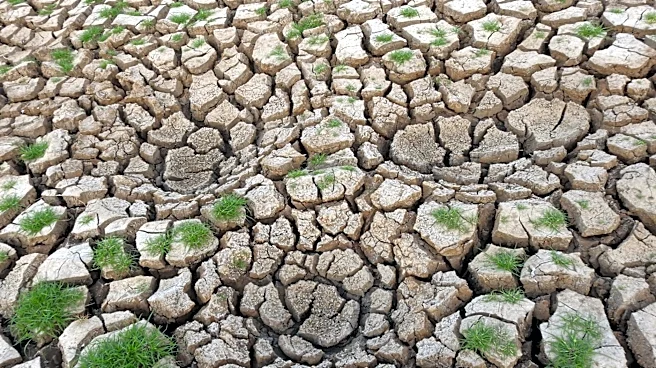
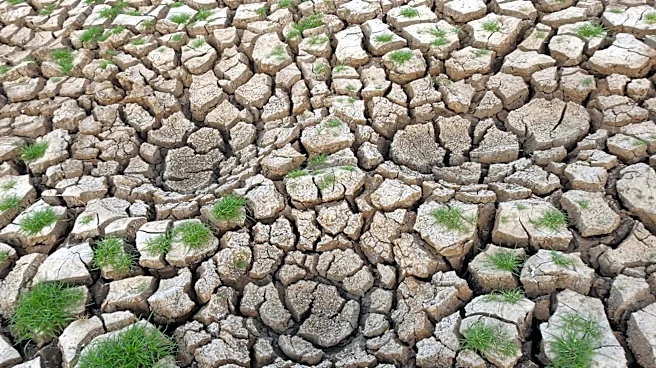
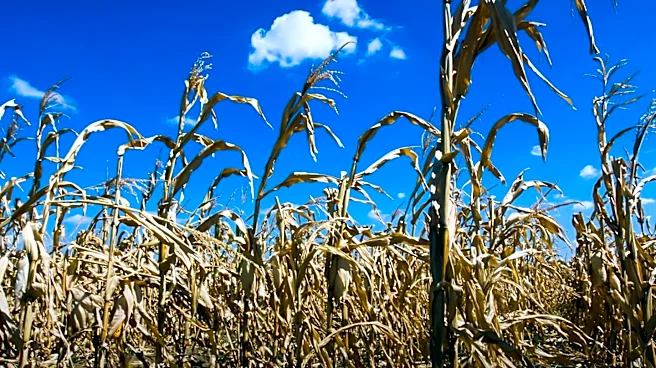
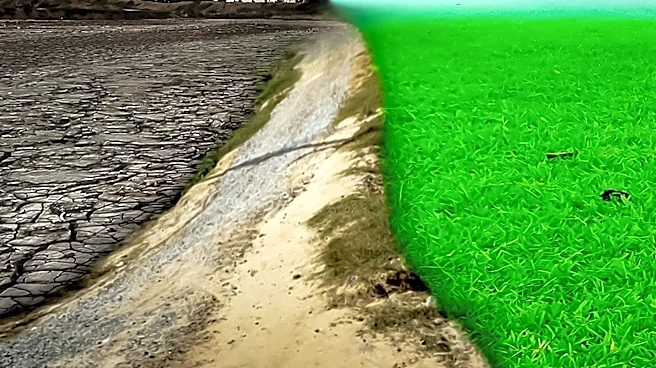
regions and drier conditions in others. Historically, El Niño events have resulted in substantial economic costs, impacting agriculture and contributing to geopolitical instability. The current El Niño is forecasted to be one of the strongest on record, with potential economic losses estimated to reach hundreds of billions of dollars. The agricultural sector is particularly vulnerable, with regions like southern Africa, Central America, and Australia facing significant risks to crop yields.
Why It's Important?
The intensifying El Niño poses a major threat to global food security and economic stability. It could exacerbate existing challenges in developing countries, where agricultural productivity is crucial for livelihoods. The economic impact is expected to be uneven, with some regions benefiting from increased agricultural yields while others suffer from reduced production. The phenomenon also highlights the need for international cooperation and preparedness to mitigate its effects. Aid agencies are already mobilizing resources to support vulnerable populations, emphasizing the urgency of addressing climate-related challenges.
What's Next?
Governments and international organizations are ramping up efforts to prepare for the potential impacts of El Niño. This includes developing contingency plans for extreme weather events, securing food supplies, and providing financial assistance to affected regions. The situation underscores the importance of building resilient agricultural systems and investing in climate adaptation strategies. As the El Niño continues to strengthen, monitoring and response efforts will be critical to minimizing its impact on global economies and food systems.