





What's Happening?
A volunteer group focused on emergency preparedness in Independence, Missouri, is concerned that recent changes in the city's approach have left its relationship with volunteers in limbo, potentially compromising residents' safety during future disasters.
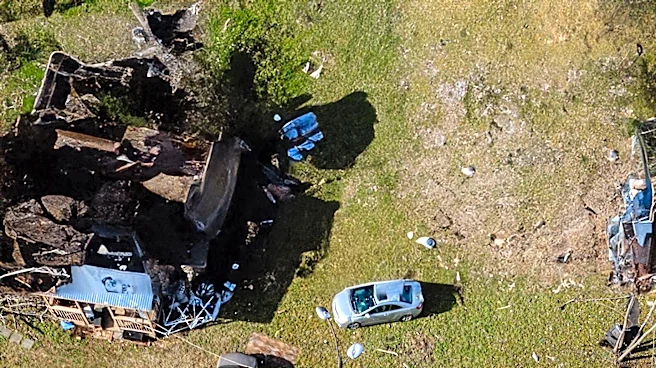
This concern follows a severe thunderstorm on September 6 during SantaCaliGon Days, which brought 60 mph winds, damaging tents and vendor merchandise. Justin Gann, Vice President of Volunteers of Independence Prepared for Emergency Response (VIPER), stated that the storm highlighted a gap in the city's preparedness. He believes that with the previous volunteer operational structure, a greater lead time for warnings could have been provided. The city's emergency preparedness function was moved back to the Independence Fire Department in July, and a new emergency manager is expected to join next month. Communication between VIPER and the city reportedly deteriorated as emergency preparedness was shuffled between various departments. Gann, a trained storm spotter, was asked to return his city radio and had his access to the emergency operations center cut off shortly after he and other volunteers voiced their concerns to the Independence City Council on September 21.
Why It's Important?
This situation is important because it highlights potential vulnerabilities in local disaster response mechanisms, directly impacting public safety and economic stability. A breakdown in communication and collaboration between city government and experienced volunteer organizations can lead to delayed warnings and inadequate mitigation efforts during emergencies. The SantaCaliGon Days incident, a significant local event, demonstrated the immediate consequences of such preparedness gaps, including property damage and public disruption. For residents and businesses in Independence, the uncertainty surrounding emergency preparedness means a heightened risk in the face of natural disasters. The city's review of volunteer policies, including insurance and access to equipment, while intended for broader organizational purposes, has inadvertently affected the operational capacity of groups like VIPER. This could deter volunteer participation, weakening the community's overall resilience and placing a greater burden on official city resources during crises. The effectiveness of emergency management relies heavily on integrated efforts, and any disconnect can have severe real-world implications.
What's Next?
The future of VIPER's relationship with the city of Independence remains uncertain. Volunteers are hopeful that the incoming emergency manager will be open to re-establishing a collaborative framework. The city has acknowledged that its emergency preparedness division has been in flux but maintains that the structure in place during SantaCaliGon Days operated as intended, emphasizing direct communication with the National Weather Service. However, the city also identified an opportunity to increase participation in its opt-in text alert system. The city is currently reviewing its emergency management resources, including volunteers, equipment, and existing partnerships, as part of the transition to the Independence Fire Department. This review includes broader volunteer policies concerning access to city equipment, liability, and insurance coverage. The city plans to continue strengthening its emergency plans, communication procedures, and coordination with both professional and volunteer resources, suggesting potential for future adjustments to address the concerns raised by VIPER.
Beyond the Headlines
The underlying issue extends beyond immediate disaster response to the broader role of volunteerism in civic infrastructure and the challenges of integrating community-based efforts with formal governmental structures. The experience of VIPER in Independence reflects a common tension between the agility and specialized knowledge of volunteer groups and the bureaucratic requirements and liability concerns of municipal governments. The city's review of volunteer policies, while seemingly administrative, has profound implications for how local communities can leverage their human capital in times of crisis. It raises questions about the value placed on long-standing volunteer expertise and the potential for institutional changes to inadvertently sideline valuable community assets. The incident also underscores the critical need for clear, consistent communication channels and mutual trust between city officials and volunteer organizations to ensure effective emergency management, especially in areas prone to unpredictable weather events. The long-term impact could be a re-evaluation of how cities engage with and empower their volunteer networks for public safety.