








What's Happening?
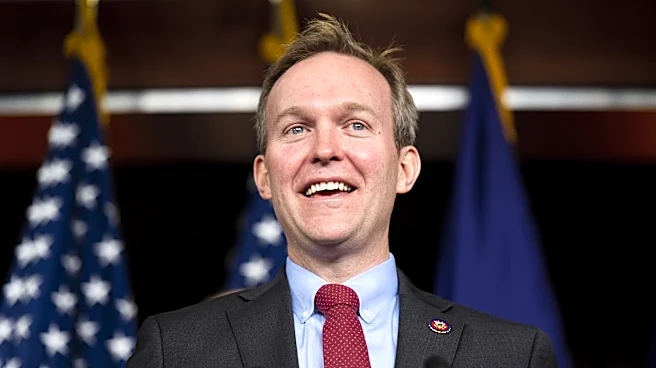
President Petro has addressed a circulating photograph depicting him in an 'affectionate attitude' with former Culture Minister Yanai Kadamani. The image, which garnered significant attention on social media, was clarified by President Petro as being
entirely false and created using artificial intelligence (AI). He made this statement via his account on the social media platform X, explicitly denying the authenticity of the content. The photograph had sparked various reactions and discussions online, with some users commenting on the supposed closeness between the two individuals, while others questioned the image's veracity. President Petro's public response aims to dispel the misinformation and highlight the growing issue of manipulated images on social media, particularly when they involve public figures.
Why It's Important?
This incident underscores the increasing challenge of misinformation and disinformation, particularly through AI-generated content, which has significant implications for U.S. society and global information ecosystems. The rapid spread of fabricated images can erode public trust in media, political figures, and democratic institutions. For the U.S., where concerns about foreign interference in elections and the impact of deepfakes are paramount, this case serves as a cautionary tale about the ease with which AI can be used to create convincing but false narratives. It highlights the urgent need for robust media literacy initiatives, technological solutions for detecting AI-generated content, and clear communication from public figures to counter such fabrications. The incident could also influence policy discussions on regulating AI and social media platforms to mitigate the spread of harmful synthetic media.
What's Next?
The clarification by President Petro is likely to prompt further discussions about the ethical use of AI and the responsibilities of social media platforms in combating synthetic media. This event may contribute to ongoing debates about the need for stricter regulations or industry standards for identifying and labeling AI-generated content. Technology companies might face increased pressure to develop and implement more effective tools for detecting deepfakes and other manipulated media. For public figures, it emphasizes the necessity of proactive communication strategies to address and debunk false information quickly. The incident could also serve as a case study for organizations and governments worldwide grappling with the challenges posed by advanced AI capabilities in generating realistic but fabricated content.
Beyond the Headlines
The controversy surrounding the AI-generated photo delves into the deeper societal implications of artificial intelligence, particularly its capacity to blur the lines between reality and fabrication. This incident is not merely about a single false image but represents a broader challenge to truth and authenticity in the digital age. It raises profound ethical questions about the potential for AI to manipulate public perception, influence political discourse, and damage reputations without verifiable evidence. The ease with which such images can be created and disseminated highlights the vulnerability of individuals and institutions to malicious AI applications. This development could accelerate the demand for digital provenance tools and public education campaigns to help individuals critically evaluate online content, fostering a more discerning and resilient information environment.