





What's Happening?
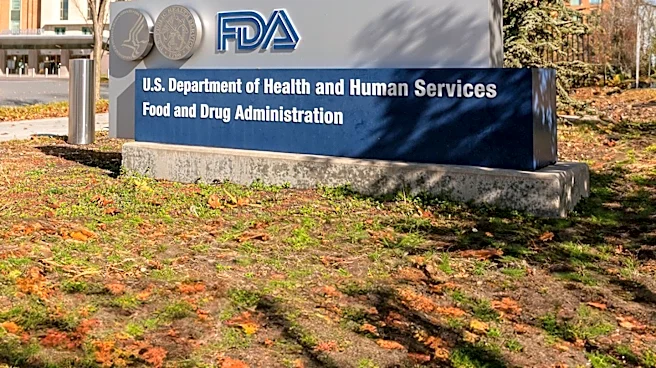
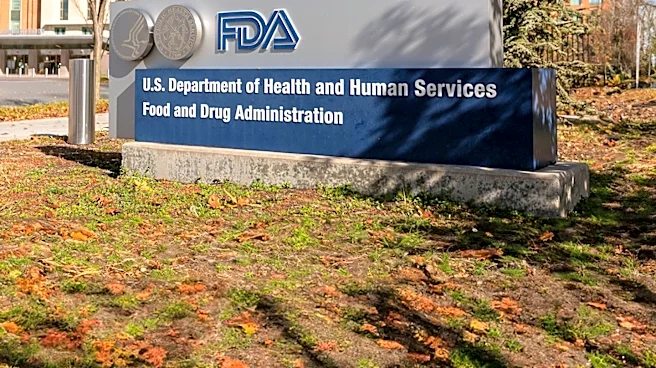
The U.S. Food and Drug Administration (FDA) has issued warnings regarding the caffeine content in pre-workout supplements, highlighting potential health risks associated with high doses. While caffeine is a common ingredient in these products, the FDA estimates
that consuming around 1,200 mg quickly can lead to toxic effects, including seizures. The agency also sets a safe daily ceiling for healthy adults at 400 mg. Many pre-workout supplements contain varying amounts of caffeine, and consumers often combine them with other caffeinated beverages like coffee, tea, and energy drinks, potentially exceeding safe limits. The FDA has also warned about undeclared stimulants like DMAA and higenamine in some supplements, which can raise blood pressure and cause heart problems. Additionally, pure caffeine powders sold in bulk are deemed particularly dangerous due to the narrow margin between a safe and toxic dose.
Why It's Important?
This FDA guidance is crucial for public health, particularly for consumers of pre-workout supplements in the U.S. The widespread availability and varied formulations of these products mean that individuals may unknowingly consume excessive amounts of caffeine, leading to adverse health outcomes. The emphasis on checking labels and understanding total daily caffeine intake is vital for preventing stimulant-related complications. The FDA's warnings about undeclared and potentially harmful ingredients underscore the need for stricter regulation and consumer vigilance in the supplement market. This issue affects not only individuals seeking to enhance athletic performance but also those with underlying health conditions, pregnant or breastfeeding women, and minors, who are particularly vulnerable to caffeine's effects.
What's Next?
Consumers are advised to carefully read product labels, calculate their total daily caffeine intake from all sources, and consult healthcare professionals before using pre-workout supplements, especially if they have pre-existing health conditions or are sensitive to stimulants. The FDA's continued monitoring and warnings about specific harmful ingredients may lead to further product recalls or regulatory actions. Manufacturers of pre-workout supplements may face increased scrutiny to ensure accurate labeling and the absence of undeclared or dangerous substances. Educational campaigns could also be implemented to raise public awareness about the risks associated with high-dose caffeine consumption and the importance of informed supplement choices.
Beyond the Headlines
The FDA's warnings highlight a broader challenge in the dietary supplement industry: the balance between consumer demand for performance-enhancing products and the need for safety and transparency. The allure of quick results can lead consumers to overlook potential risks, while some manufacturers may exploit regulatory loopholes or engage in deceptive labeling practices. This situation raises ethical questions about corporate responsibility and the adequacy of current regulatory frameworks for supplements. The long-term implications could include a shift in consumer behavior towards more natural or less stimulant-heavy alternatives, and potentially a push for more stringent pre-market approval processes for dietary supplements, similar to those for pharmaceuticals, to ensure public safety.