








What's Happening?
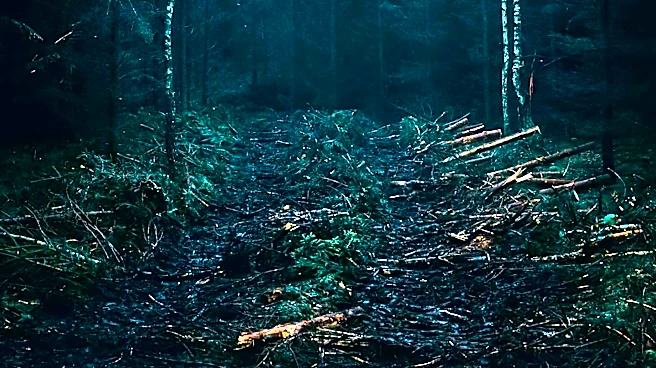
In California's Sierra Nevada, communities are grappling with the use of glyphosate, a controversial herbicide, in forest restoration efforts following severe wildfires. The U.S. Forest Service has proposed using glyphosate to manage shrub growth that
competes with young conifers for resources. While some experts argue that glyphosate is effective and necessary for forest recovery, many residents, particularly in the Tahoe Basin, oppose its use due to cancer concerns. The debate highlights differing approaches to forest management, with some communities prioritizing natural regrowth and others advocating for intervention to expedite forest recovery.
Why It's Important?
The controversy over glyphosate use in forest restoration reflects broader environmental and public health concerns. The decision to use herbicides in forest management has implications for ecosystem health, biodiversity, and community safety. As wildfires become more frequent and intense due to climate change, effective forest management strategies are critical. The outcome of this debate could influence future policies on herbicide use and forest restoration practices, impacting both environmental conservation efforts and public health. Balancing ecological restoration with community health concerns remains a complex challenge for policymakers and environmentalists.
What's Next?
The Forest Service's plan to use glyphosate is likely to face continued opposition from local residents and environmental groups. Public consultations and further research into alternative forest management strategies may be necessary to address community concerns. The debate may also prompt a reevaluation of current forest management practices and the development of new guidelines that prioritize both ecological restoration and public health. Ongoing monitoring of the environmental and health impacts of glyphosate use will be essential to inform future decisions and ensure sustainable forest management.