





What's Happening?
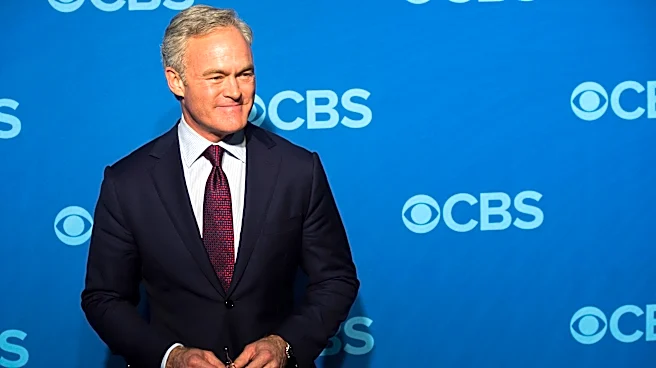
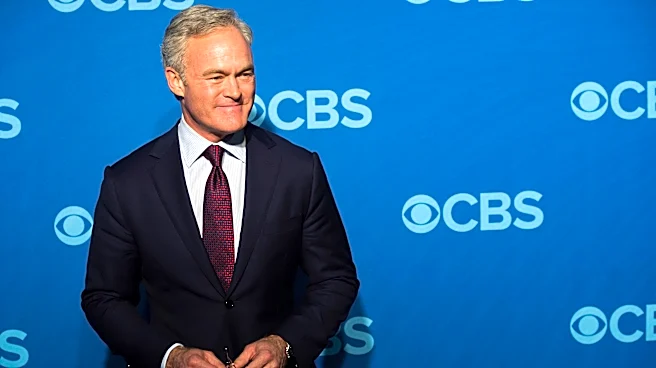
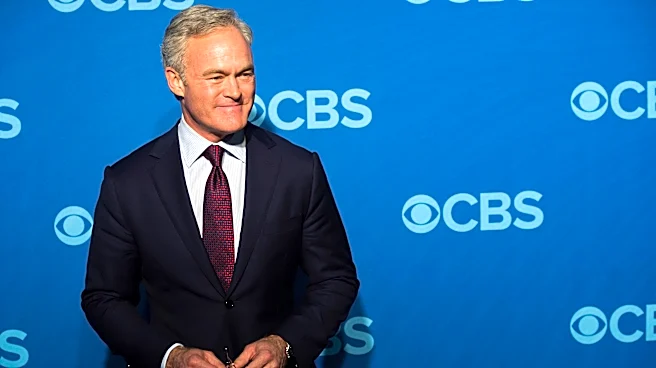
CBS News has terminated Scott Pelley, a veteran correspondent for '60 Minutes', following a contentious exchange with the show's new executive producer, Nick Bilton. The incident occurred during a staff meeting where Pelley reportedly criticized Bilton's
qualifications and accused CBS News' editor-in-chief, Bari Weiss, of undermining the show's success. Bilton responded with a letter accusing Pelley of hijacking the meeting and displaying hostility, leading to Pelley's immediate termination. Pelley, who has been with CBS for 37 years, issued a statement criticizing the network's new management and alleging pressure to include unverified assertions in politically sensitive stories.
Why It's Important?
The firing of Scott Pelley, a prominent figure in broadcast journalism, highlights tensions within CBS News amid changes in leadership. Pelley's departure may impact the network's reputation and the future direction of '60 Minutes', a flagship program known for investigative journalism. The incident underscores challenges faced by media organizations in maintaining editorial integrity while navigating internal conflicts and external pressures. Pelley's allegations of management interference in editorial content raise concerns about journalistic independence and the influence of political dynamics on media operations.
What's Next?
Following his termination, Scott Pelley may consider legal action against CBS News, as suggested by media experts. The network will likely face scrutiny over its handling of the situation and the broader implications for its editorial practices. CBS News may need to address internal morale and public perception, especially if Pelley's allegations gain traction. The future of '60 Minutes' under new leadership remains uncertain, with potential changes in its approach to reporting and content selection.
Beyond the Headlines
Pelley's firing could have long-term implications for journalistic standards and the role of media in political discourse. The situation raises ethical questions about the balance between corporate interests and journalistic integrity. As media organizations navigate evolving landscapes, the incident may prompt discussions on safeguarding editorial independence and transparency. The broader media industry may observe CBS News' response as a case study in managing internal conflicts and maintaining credibility.