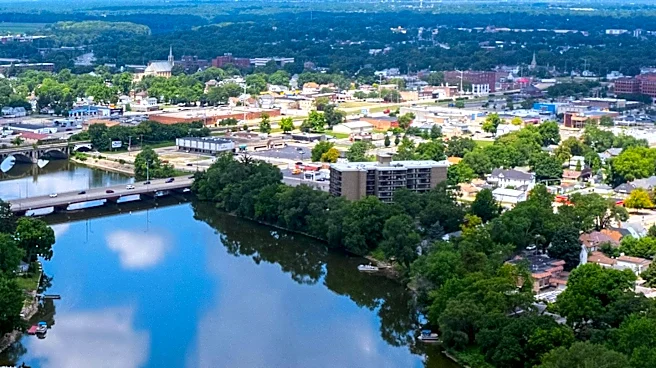








What's Happening?
Residents along the Flint River in Huntsville, Alabama, are celebrating a significant victory after Integra Water announced the withdrawal of its discharge permit application for a proposed wastewater facility on Winchester Road in New Market. This decision
comes after more than a year of strong opposition from homeowners, some of whom filed a lawsuit to halt the plant's construction. Concerns primarily revolved around the potential impact on recreational activities such as swimming, fishing, and kayaking in the river. Integra Water stated that community feedback highlighted a need for greater public understanding regarding the project. The Birmingham-based company has indicated no immediate plans to pursue an alternative site for the facility. Residents like Jack Smith, who has lived by the river for nearly three decades, expressed immense joy and relief at the news, emphasizing the community's sustained struggle to protect the natural environment of the Flint River.
Why It's Important?
This development underscores the power of community activism and environmental advocacy in influencing corporate decisions and local policy in the U.S. The withdrawal of Integra Water's permit application demonstrates that organized public opposition can successfully challenge industrial projects perceived to threaten natural resources and quality of life. For residents of the Flint River area, this outcome preserves the ecological integrity of the river, which is vital for local ecosystems and recreational activities. It also sets a precedent for other communities facing similar environmental concerns, highlighting the importance of sustained engagement and legal action. The decision prevents potential pollution and degradation of a significant natural asset, ensuring its continued use for future generations and protecting property values and the overall well-being of the affected community.
What's Next?
Following this victory, the group that opposed the Integra Water project plans to continue its broader advocacy work aimed at protecting the Flint River. While the immediate threat has been removed, community leaders like Ben Stafford emphasize that their efforts to safeguard the river are ongoing. Residents are planning to celebrate their success at an upcoming Buckhorn football game, where they will wear 'Keep the Flint River Clean' shirts, further solidifying their commitment to environmental stewardship. This continued vigilance suggests that any future proposals that could impact the Flint River will likely face similar scrutiny and organized resistance from the community. The focus will now shift towards long-term strategies for river conservation and ensuring that no similar threats emerge in the future.
Beyond the Headlines
The successful opposition to Integra Water's permit application reflects a growing national trend where local communities are increasingly empowered to challenge industrial developments that pose environmental risks. This case highlights the evolving balance between economic development and environmental protection, often leading to intense local disputes. It also brings to light the ethical responsibilities of corporations to engage transparently with communities and consider the broader societal and ecological impacts of their projects. The Flint River outcome could inspire other grassroots movements across the U.S. to mobilize against perceived environmental injustices, potentially leading to more stringent environmental regulations and greater corporate accountability in project planning and execution. This event reinforces the idea that local voices can significantly shape environmental policy and corporate behavior.