






What's Happening?
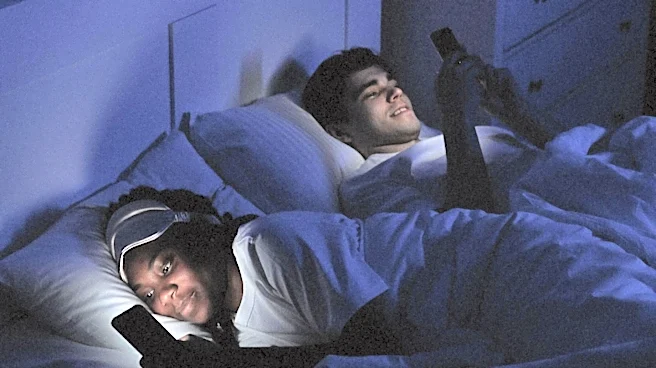
Recent studies indicate a strong correlation between high screen time, particularly before or in bed, and increased rates of insomnia and poor sleep quality. Large-scale surveys and clinical research show that each additional hour of screen exposure near
bedtime significantly raises the risk of insomnia symptoms and reduces total sleep duration. For instance, a Norwegian study of over 45,000 young adults found that an extra hour of screen time after going to bed increased the odds of insomnia symptoms by 59% and shortened sleep by approximately 24 minutes. This effect was consistent across various screen activities, including social media, gaming, and watching shows, suggesting that the screen exposure itself, rather than the content, is the primary disruptor. The mechanisms behind this disruption include the suppression of melatonin production by blue light emitted from screens, increased mental stimulation, and emotional engagement from content, all of which hinder the body's natural sleep preparation processes. Other research supports these findings, with adolescents experiencing more than four hours of daily screen time being more prone to poor sleep quality, and college students reporting delayed sleep onset and worsened sleep quality due to in-bed screen use.
Why It's Important?
The widespread impact of screen time on sleep quality has significant public health implications in the U.S., where about one-third of adults report poor sleep. Poor sleep and insomnia are linked to a range of health issues, including impaired memory, reduced cognitive function, increased risk of depression, obesity, heart disease, and a weakened immune system. As screen time continues to rise globally, these health consequences could become more prevalent, affecting productivity, mental well-being, and overall quality of life across various demographics. For industries, particularly healthcare and technology, this trend highlights a growing need for solutions that promote digital well-being and healthier sleep habits. The findings underscore the importance of public health campaigns and educational initiatives aimed at informing individuals about the risks of excessive screen use before bed and promoting strategies to mitigate these effects, such as using blue light filters and establishing screen-free periods before sleep. This issue also impacts the workforce, as sleep-deprived individuals may experience decreased performance and increased safety risks in their jobs.
What's Next?
In response to growing concerns, there is an anticipated push for broader adoption of digital well-being tools and features designed to manage screen use and protect sleep. Technology companies may face increased pressure to integrate more effective blue light filters, 'night mode' settings, and scheduled downtime features into their devices and applications. Public health organizations and healthcare providers are likely to intensify their efforts to educate the public on healthy screen habits, potentially issuing updated guidelines or recommendations for screen time limits, especially for children and adolescents. Policymakers might also consider initiatives to address screen time, similar to Ohio's requirement for schools to prohibit cell phone use during instructional hours, though the focus may expand to include broader public health campaigns. Individuals are encouraged to adopt personal strategies such as avoiding screens 30-60 minutes before bed, using night mode, silencing notifications, and maintaining consistent bedtimes to improve sleep hygiene.
Beyond the Headlines
The pervasive nature of screens in modern life extends beyond individual sleep patterns, touching upon broader societal and ethical considerations. The constant connectivity fostered by digital devices blurs the lines between work, leisure, and rest, potentially leading to a culture of 'always-on' availability that further erodes sleep quality. Ethically, the design of many digital platforms, often engineered to maximize engagement, raises questions about corporate responsibility in promoting user well-being versus profit. Legally, there could be future discussions around regulating features that contribute to excessive screen time or sleep disruption, especially concerning minors. Culturally, there's a growing tension between the benefits of digital access and the imperative for digital detox, prompting a re-evaluation of how technology integrates into daily life without compromising fundamental human needs like sleep. This development could also spur innovation in 'sleep tech' and 'digital wellness' industries, creating new markets for products and services aimed at mitigating the negative impacts of screen time.