
What's Happening?
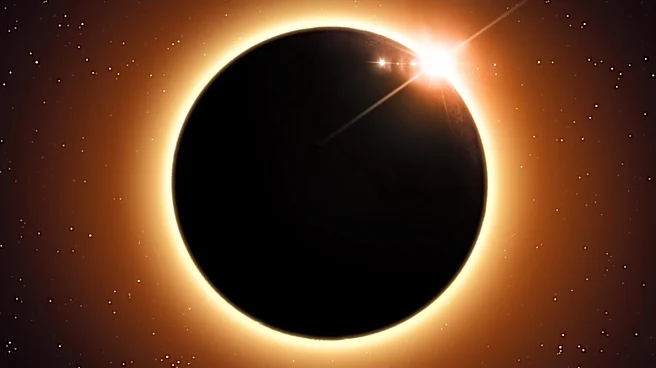
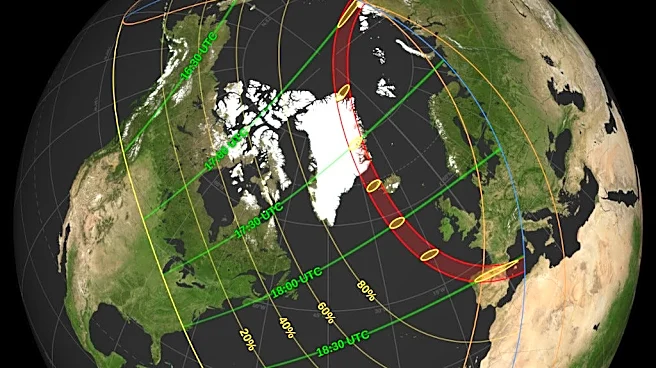
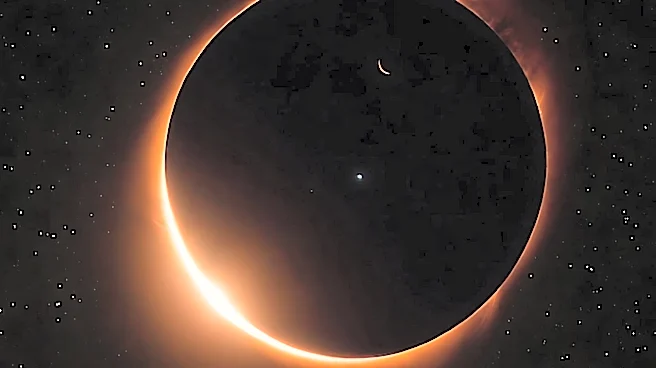
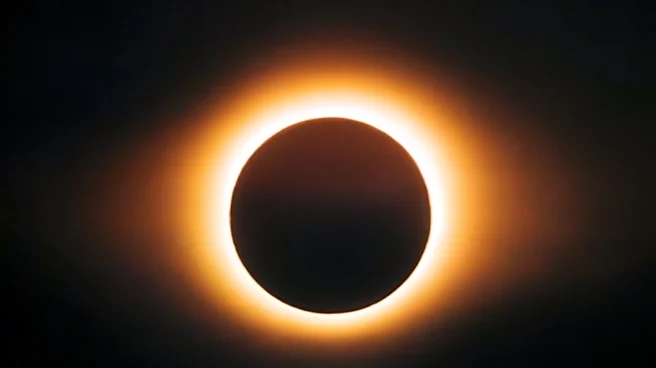
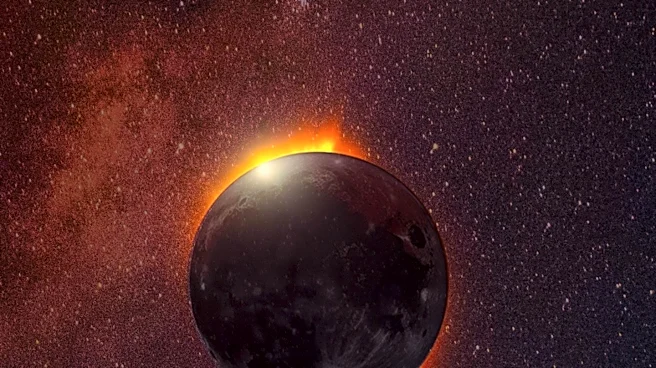
A solar eclipse is set to occur on August 12, 2026, with varying visibility across different regions. While a total solar eclipse will be visible in countries like Spain, Russia, Portugal, Greenland, and Iceland,
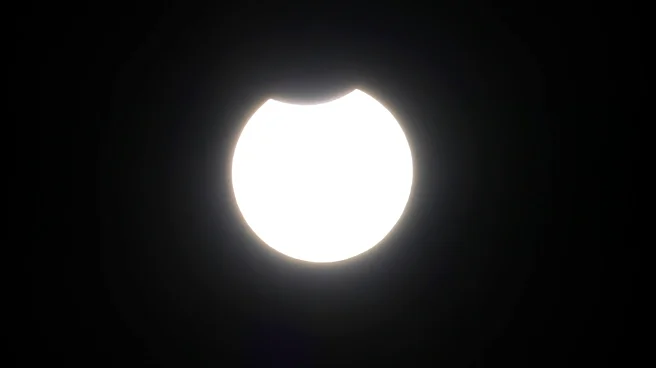
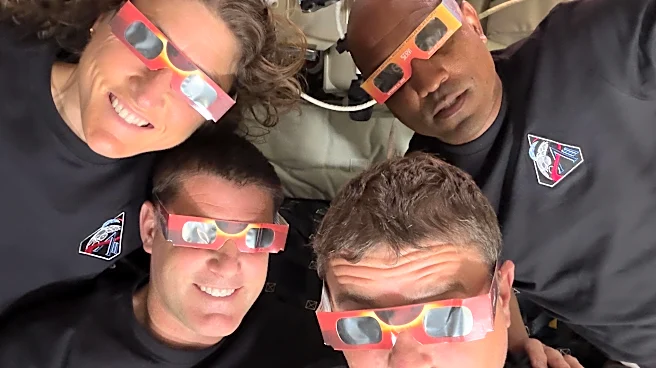
areas such as North America, Africa, and parts of Europe will experience a partial eclipse. NASA and other sources emphasize the importance of using proper equipment to view the eclipse safely, as looking directly at it can cause severe eye damage. Recommended methods include using solar eclipse glasses with the ISO 12312-2:2015 certification, solar filters for cameras, or creating a pinhole projector with household items. These precautions are necessary to prevent eye injuries and damage to camera equipment.
Why It's Important?
The solar eclipse presents a rare opportunity for people to witness a significant astronomical event. However, the potential for eye damage underscores the importance of public awareness and education on safe viewing practices. The event also highlights the role of organizations like NASA in disseminating crucial safety information. For photographers and astronomy enthusiasts, the eclipse offers a chance to capture unique images, provided they use the correct protective gear. This event serves as a reminder of the need for proper preparation and equipment when engaging with natural phenomena, ensuring public safety and enjoyment.
What's Next?
Following the solar eclipse, another celestial event, the Perseid meteor shower, is expected to peak, offering additional opportunities for stargazing. This sequence of events may encourage increased interest in astronomy and related educational activities. It is likely that retailers and manufacturers of eclipse glasses and solar filters will see a surge in demand as people prepare for future astronomical events. Additionally, educational institutions and science organizations may use these events to promote awareness and understanding of astronomical phenomena.