





What's Happening?
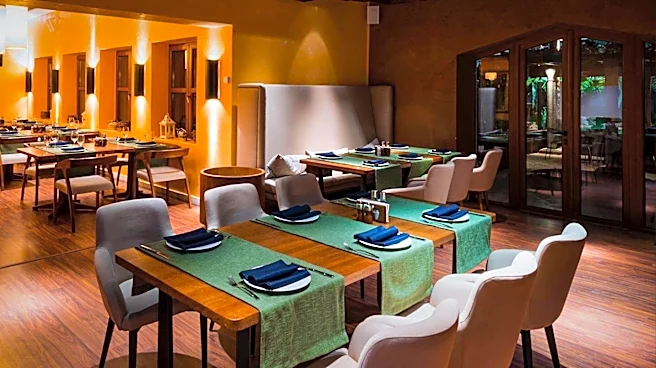
South Dakota State University (SDSU) has officially reopened Larson Commons, its main dining hall, after a year-long renovation project. The updated facility offers increased space and a wider variety of food choices for students, faculty, and staff.
Originally constructed in 1969, Larson Commons had received minimal updates over the decades. The renovation, an $18 million endeavor, maintained the building's original footprint but significantly redesigned the interior layout to enhance capacity and improve the dining experience. Funding for the project came from a combination of sources, with approximately $8 million contributed by Sodexo International, SDSU's dining services vendor, and the remainder covered by university resources and a bond. Students were actively involved in the renovation process, providing input and opinions through online surveys to help shape the new offerings and layout. The dining hall has also extended its operating hours, providing greater flexibility for students with varying class schedules.
Why It's Important?
The reopening of a modernized Larson Commons is important for South Dakota State University as it directly impacts the daily lives and overall experience of its student body. A well-designed and functional dining facility is crucial for student satisfaction, fostering a sense of community, and supporting student well-being. The expanded capacity addresses previous issues of overcrowding, while the increased food variety caters to diverse dietary needs and preferences, which can be a significant factor in student retention and recruitment. Furthermore, the investment in campus infrastructure, particularly in a central hub like the dining hall, signals the university's commitment to providing a high-quality living and learning environment. The collaboration with students in the planning process also highlights a responsive approach to student feedback, potentially enhancing student engagement and loyalty to the institution. This upgrade can contribute to a more positive campus culture and attract prospective students seeking modern amenities.
What's Next?
Following the successful reopening, SDSU will likely monitor student and staff feedback on the new Larson Commons to ensure its continued effectiveness and address any emerging needs. The university may conduct further surveys or focus groups to gauge satisfaction with the expanded food options, extended hours, and overall atmosphere. The success of this renovation could also influence future campus development projects, potentially serving as a model for other facility upgrades. The partnership with Sodexo International for a significant portion of the funding suggests an ongoing collaborative relationship that could lead to further innovations in campus dining services. The university will continue to promote Larson Commons as a central gathering place, aiming to strengthen community bonds among students, faculty, and staff. The focus will be on maximizing the utilization of the new space and its offerings to enhance the daily campus experience.
Beyond the Headlines
The renovation of Larson Commons at SDSU reflects a broader trend in higher education where universities are increasingly investing in campus amenities to create a more attractive and supportive environment for students. Beyond just providing meals, modern dining halls are designed to be social hubs that foster community, collaboration, and a sense of belonging. This emphasis on student experience goes beyond academics, recognizing that a holistic approach to education includes comfortable and engaging living spaces. The involvement of students in the design process also underscores a shift towards more student-centric university planning, where the end-users' perspectives are actively sought and integrated. This approach can lead to more effective and well-received campus improvements, ultimately contributing to a more vibrant and appealing university culture. The long-term impact could be seen in improved student morale, better academic performance due to enhanced well-being, and a stronger institutional reputation.